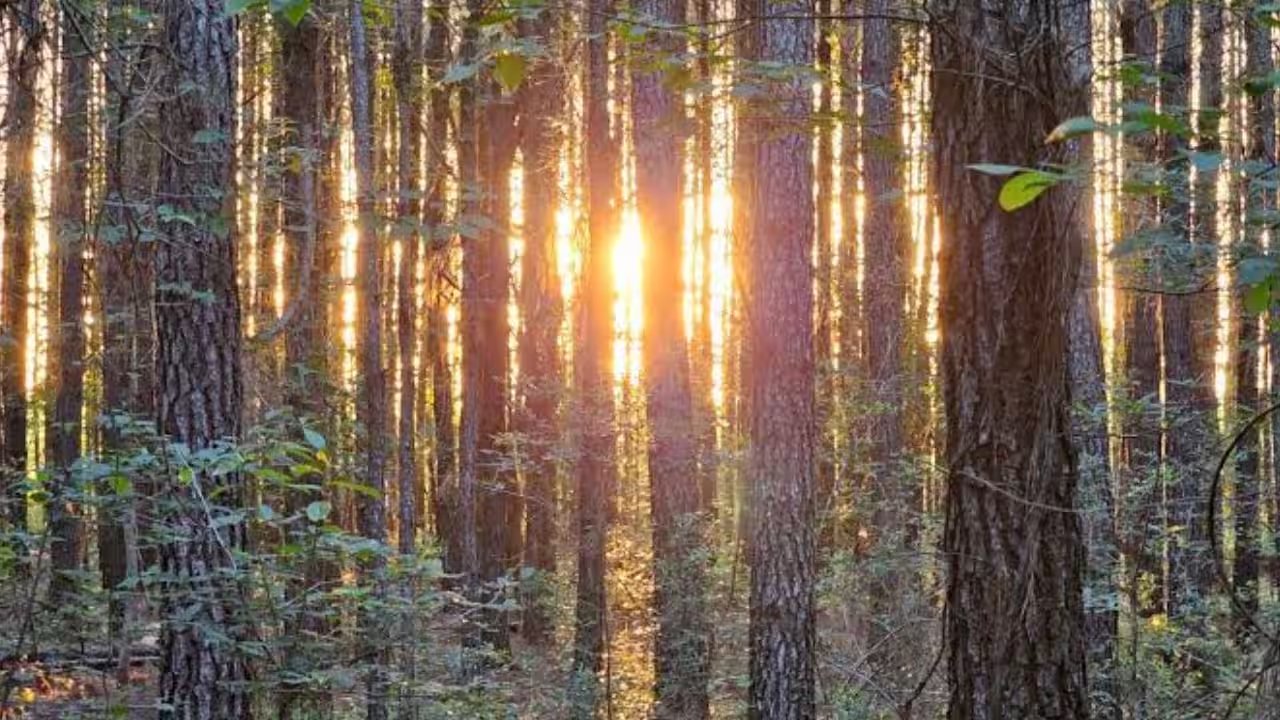
Georgetown County has long been a battleground between developers and conservationists. In July, the Virginia‑based Conservation Fund and the Malone Family Land Preservation Foundation paid $34.2 million for an 8,000‑acre parcel that sits beside the Black River, marking the first major step toward a larger state forest.
The school board’s recent vote not only green‑lit the 4,148‑acre parcel on Eaddy Road but also endorsed a second, 3,492‑acre tract known as Arcadia East. Eileen Johnson, a board member, said the decision reflects a growing recognition that “continued residential growth in the area is leaving less space for nature.” She added that the only buffer against unchecked development on the county’s south side is the Francis Marion National Forest. "We're all about stewardship of our land," Johnson said.
The Arcadia East site had originally been approved in 2002 for a sprawling resort, which would have included 2,451 homes, a 500‑room hotel, and commercial space. A county study estimated the finished project could have generated up to $153.8 million in annual revenue, making the residents the county’s largest taxpayers. Last year, the property’s taxes were a modest $5,200, but that would vanish once the land is transferred to the state.
The South Carolina Forestry Commission plans to finalize the purchase with aid from the Office of Resilience and two conservation nonprofits, the Open Space Institute and Ducks Unlimited. These groups will hold title until state funding is secured, after which the land will be integrated into the Department of Natural Resources wildlife‑management program, opening it to public recreation while generating local forestry revenue.
Emily Purcell, director of conservation programs for Ducks Unlimited, welcomed the bipartisan support. "We're thrilled to have support from both the county and the school board," Purcell told the Coastal Observer. "We’re excited to hopefully work toward a great conservation outcome in Georgetown County." Her optimism reflects a larger shift in the community, where students and teachers alike hope to see the forest as a living classroom for future generations.
The next step is the Forestry Commission’s formal purchase, expected to be completed once state funds are released in the coming budget cycle. Once closed, the 4,148‑acre property will officially become part of Carvers Bay State Forest, and the Arcadia East tract will be safeguarded from the proposed resort, preserving the county’s natural heritage for decades to come.