VIENNA — India has set a firm deadline to harvest power from an artificial Sun.
Speaking at the International Atomic Energy Agency's World Fusion Energy Group meeting in Vienna on November 12, Atomic Energy Commission Chairman Ajit Kumar Mohanty announced that India plans to build an intermediate tokamak-based fusion pilot plant generating 100 to 150 megawatts of net electricity between 2040 and 2042. The plant represents New Delhi's formal leap from theoretical physics to grid-scale power engineering. No laboratory or commercial enterprise worldwide has yet delivered a single watt of net electricity from a controlled fusion reaction.
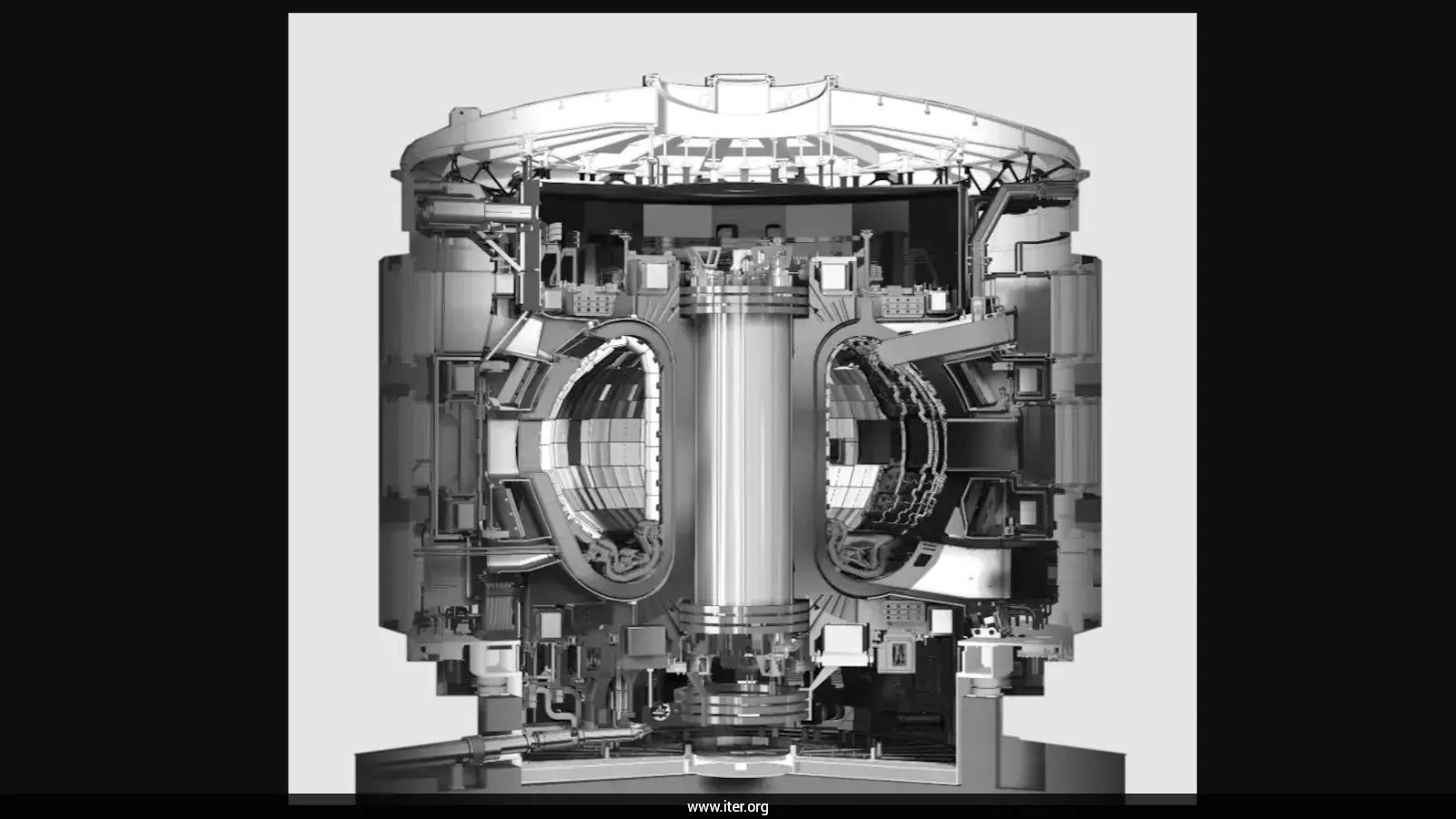
Yet the engineering stakes are clear. Fusion eliminates the meltdown risks and long-lived radioactive waste typical of conventional fission reactors that split heavy uranium atoms. Instead, it replicates the core of the Sun by fusing light hydrogen isotopes—principally deuterium and tritium—under intense magnetic confinement. Igniting that reaction requires heating plasma past 100 million degrees Celsius, far hotter than the solar core, while isolating the superheated gas inside magnetic chambers known as tokamaks.
Addressing nuclear delegates and national energy chiefs in the Austrian capital, Dr. Mohanty framed the pilot project as a structural transition for the Department of Atomic Energy.
Fusion energy production is no longer just a scientific experiment. It has clearly moved towards engineering reality. As a next step of our National Fusion Programme, we plan to build a Demonstrative Project, which will be an intermediate, tokamak-based fusion pilot plant to generate 100 to 150 MWe of net electricity by 2040 to 2042.
Ajit Kumar Mohanty, Chairman, Atomic Energy Commission
To withstand the extreme thermal forces of sustained confinement, the proposed pilot installation will deploy High Temperature Superconducting magnets. The Department of Atomic Energy intends to integrate domestic research institutions, Indian private startups, and international supply partners directly into the reactor's design phase.
The timeline has drawn sharp attention across the domestic atomic sector. Prof Prabhat Ranjan, former scientist at the Institute for Plasma Research in Gandhinagar and founder of New Delhi-based fusion enterprise Agnira Sanlayan Pvt Ltd, described the target window as workable but demanding.
"The 2040-2042 date is tight but not unrealistic; the hard part is engineering and procurement, not plasma physics," Prof Ranjan said. "It holds only if the project is sanctioned early and the engineering industry is part of this project from the early stage."
Global capital is pouring into magnetic confinement at an unprecedented rate. Private fusion ventures worldwide have collected $21.9 billion in committed funding, with more than 90% secured over the last five years alone. Annual sector commitments project to reach $7.6 billion in 2026.
But India brings decades of institutional hardware to the race. The Institute for Plasma Research in Gandhinagar, operating under the Department of Atomic Energy, built foundational data using domestic machines including the ADITYA tokamak, ADITYA-Upgrade, and the Steady State Superconducting Tokamak. Those experimental rigs supplied baseline plasma diagnostics and magnetic control mechanics. Now, the AEC roadmap binds those experimental datasets to a statutory commercial production schedule.
| Project Parameter | Official Roadmap Specification |
|---|---|
| Governing Authority | Department of Atomic Energy / Atomic Energy Commission |
| Reactor Architecture | Intermediate Tokamak Pilot Plant |
| Target Power Output | 100 to 150 MWe (Net Electricity) |
| Operational Target | 2040 to 2042 |
| Magnetic Confinement System | High Temperature Superconducting (HTS) Magnets |
| Core Operating Temperature | Exceeding 100 million degrees Celsius |
The Department of Atomic Energy will next seek formal project sanctioning and industrial procurement frameworks to clear early fabrication work on the pilot reactor's core magnet components.
| Domestic Research Foundations | ADITYA, ADITYA-Upgrade, SST-1 (IPR Gandhinagar) |