The gap is stark. Between 2013 and 2025, private money flowed into India's AI economy totaled just $15 billion, according to Stanford University's AI Index Report. In the same period, the US absorbed $757 billion and China pulled in nearly $132 billion. That chasm left a vacuum. Indian billionaires didn't wait for government policy to fill it. They filled it themselves.
Azim Premji's family office, Premji Invest, has emerged as the dominant force. In June, it led a $27 million round for Pramaana Labs, an AI verification platform founded by IIT Madras alumni. The portfolio isn't limited to domestic plays; Premji Invest also holds stakes in global giants like Databricks and Canva. But the strategic pivot is clear: homegrown assets.
Ranjan Pai, the Manipal Group chairman, is moving fast. His family office, Claypond Capital, backed Emergent, a vibe-coding platform, in a $130 million round in July. It also participated in Flam's $40 million round in September. Kunal Shah, CEO of WhatsApp Inc., is deploying his QED Innovation Labs into the same space. Riddhiman Jain, head of investments at Waterfield Advisors, noted that family offices are now acting as anchor investors. "AI needs patient capital, which is scarce," Jain said. "The universe is still at a very early stage."
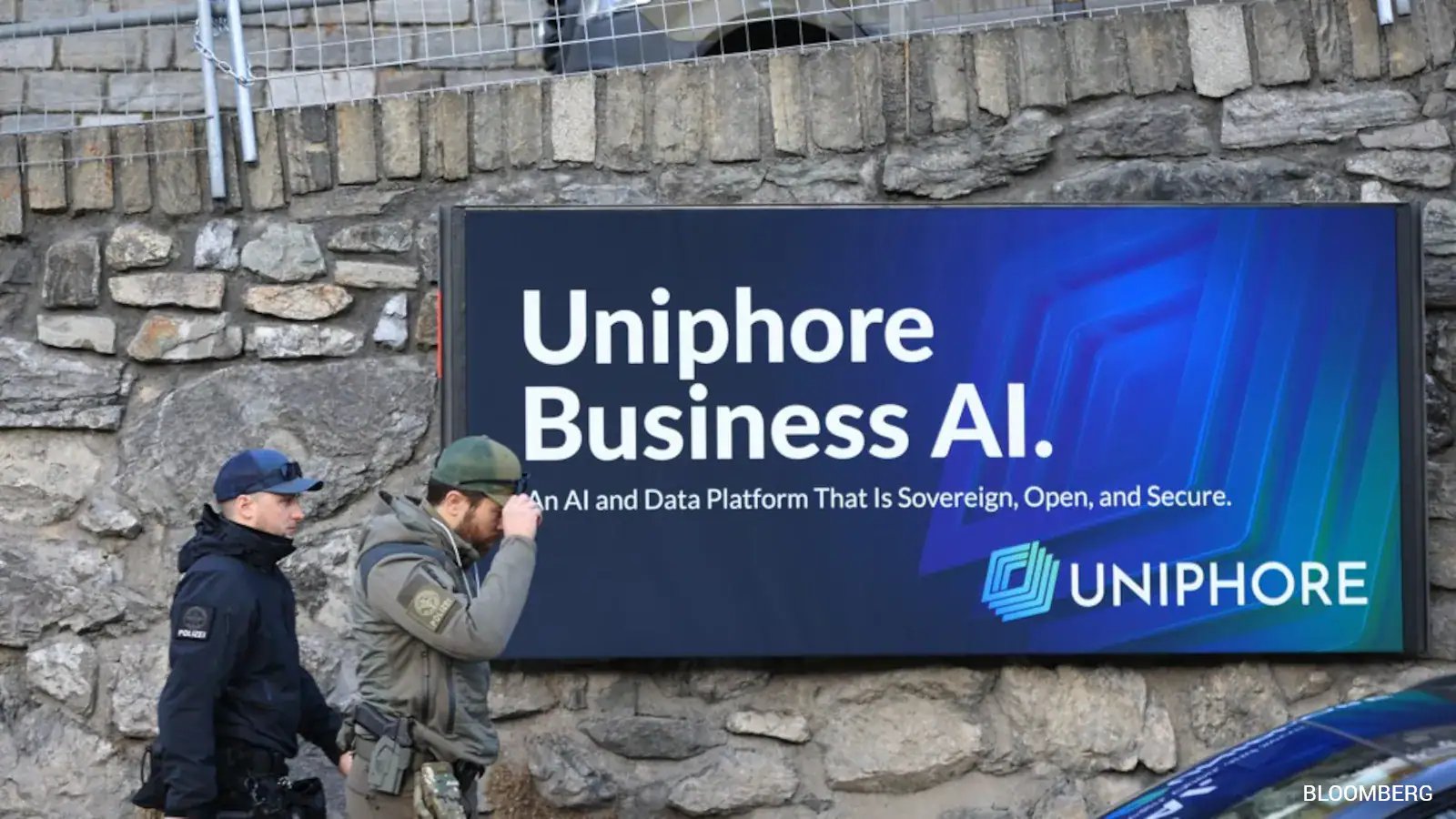
The capital is creating results. Fractal Analytics raised $313 million in an IPO in February, becoming India's first AI unicorn to go public. Uniphore, valued at $2.5 billion after a round backed by Nvidia and AMD, is building models in Palo Alto but retains deep Indian roots. Sarvam, founded in 2023, raised $345 million this year, reaching a $1.5 billion valuation. It is building AI models for 22 Indian languages, a niche global competitors ignore.
Constraints remain. The World Bank Group flags shortages in computing infrastructure and specialized research talent. Beijing is preparing to spend 2 trillion yuan ($300 billion) on data centers over five years. New Delhi's IndiaAI Mission, valued at 103.7 billion rupees ($1.1 billion), focuses on public infrastructure but leaves the heavy lifting to private players. Gautam Adani and Mukesh Ambani have committed $210 billion to data centers and semiconductors. The race is on, and the clock is ticking.