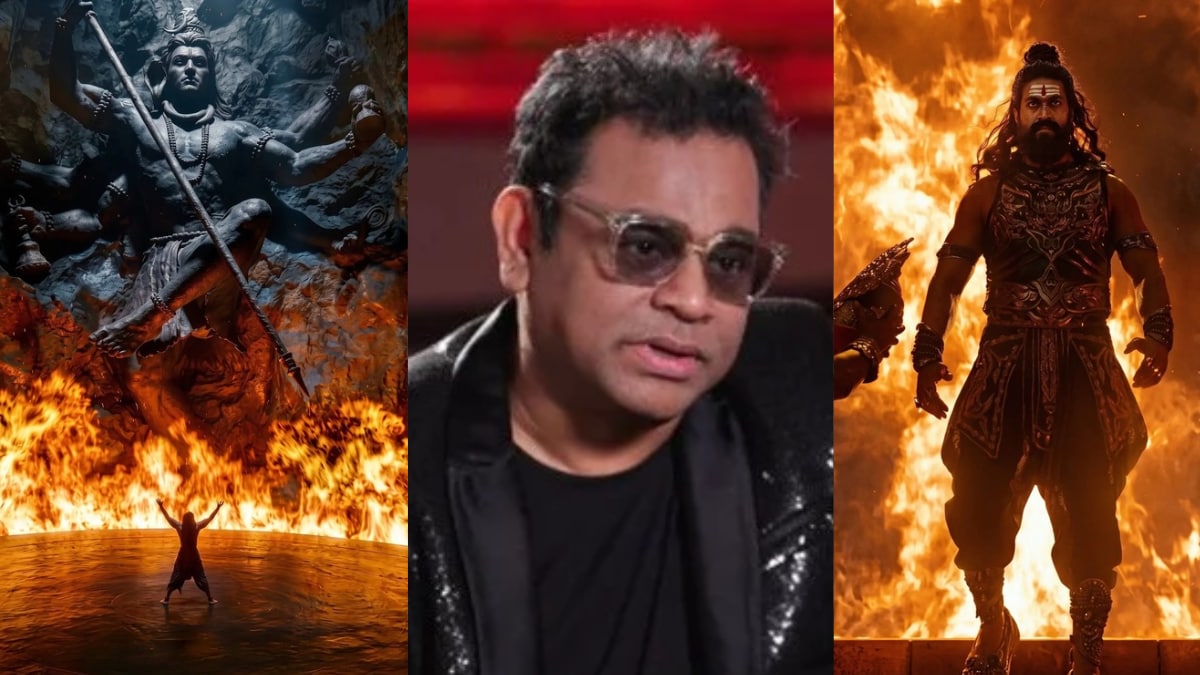
If you’ve ever watched a myth‑made musical, you know what a hero’s roar should sound like—big, booming, and unforget‑table. Yash, in his Ravana avatar, unleashes that roar in a 1:55‑minute clip that already feels like a blockbuster teaser, and the internet is buzzing with the sheer energy he throws into every frame.
But the music, the backbone of any epic, has been the real flashpoint. Redditers are not shy about calling AR Rahman’s score a weak link, with one user quipping, “Rahman is the weakest aspect of this movie. Salman wasn’t wrong when he said he’s average at best.” Another chimed, “Visually good, song could be better. A.R. Rahman.” The backlash is salty; a few even argue that a 90s‑era Rahman or an Ajay‑Atul track would have delivered the magic the visuals promise.
And yet, behind the criticism is a collaboration that’s practically unheard of: AR Rahman and Oscar‑winning Hans Zimmer co‑scoring the sequence for the first time in their careers. In an interview with The Hollywood Reporter India, Rahman admitted, “It’s terrifying for both of us. We’re scoring something so iconic and so important to the world.” That tension adds an extra layer of intrigue—two musical giants trying to re‑write a myth for a new generation.
The film’s release strategy is as ambitious as its soundscape. The first part is slated for a worldwide drop in October 2026, just before Diwali, with the sequel slated for Diwali 2027. The timing is no accident; the myth’s relevance during the festival season is expected to drive massive footfall, and the marketing team is already riding the wave of the viral clip.
So what does this all mean for the audience? If the visuals live up to the hype and the score finally lands, Ramayana could set a new benchmark for mythological cinema. If it doesn’t, the film might end up as a cautionary tale about the perils of over‑ambitious sound design. Either way, the 1:55‑minute Ravana Tandav is already a talking point that will keep the conversation alive long before the first reels spin.