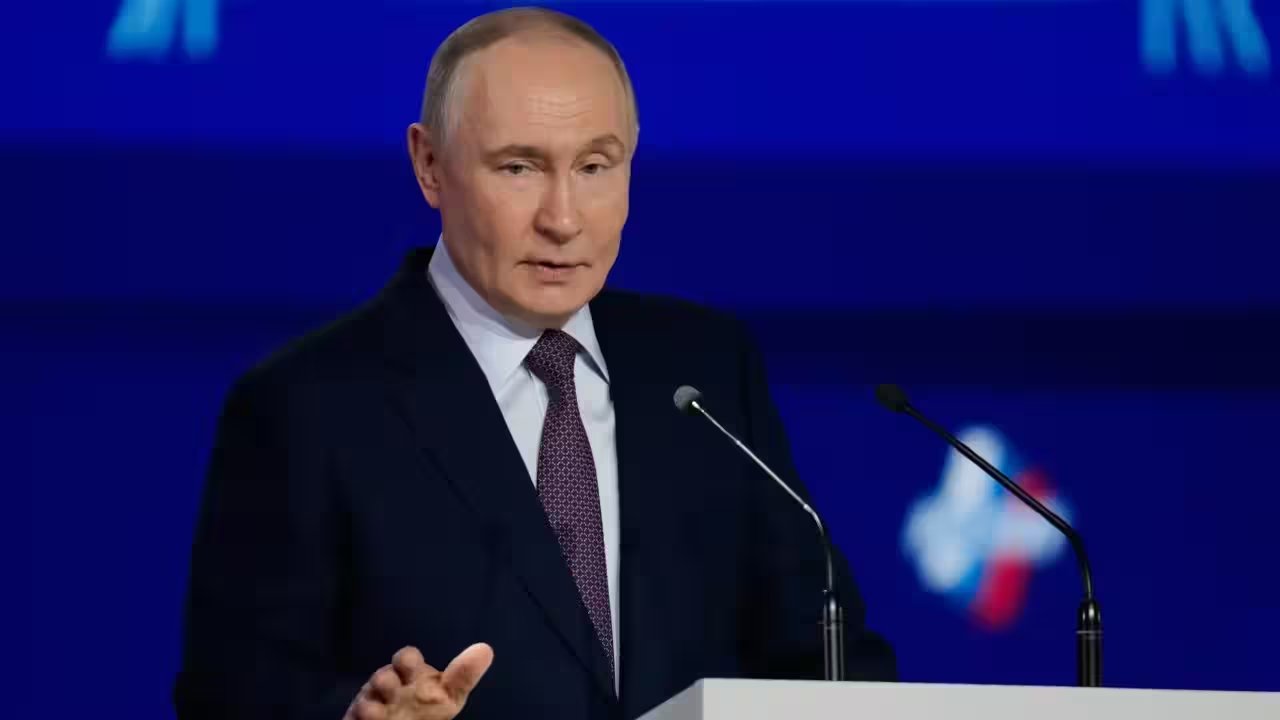
Vladimir Putin broke his silence on the September 18–20 parliamentary elections, explicitly linking the record-high turnout to his war strategy in Ukraine. Speaking to the public for the first time since the polls closed, the Kremlin leader framed the 59.3% participation rate—among 111 million eligible voters—as a mandate for his military objectives. He rejected the narrative that the election was a mere formality, insisting the lines at polling stations proved Russians were not intimidated by external pressure.
The numbers back his rhetoric. United Russia, the ruling party, is set to sweep 355 of the 450 seats in the State Duma, securing nearly 80% of the lower house after winning over 57% of the vote. This marks the first parliamentary vote since Putin launched the full-scale invasion in 2022 and includes ballots cast in four Ukrainian regions Moscow claims to have annexed. Ukraine has denounced the voting in these territories as illegal, but the Kremlin insists the results reflect the will of the people.
The vote took place under fire. Russian authorities reported that Ukrainian drones struck Moscow and other regions during the three-day voting window, with Mayor Sergei Sobyanin describing a "largest ever" attack that downed 450 drones over the capital. Officials confirmed three deaths and 38 injuries in the wider Moscow region, with damage reported at an oil refinery and a residential building. Putin dismissed these attacks as failed attempts to "derail the election," claiming the high turnout rendered such intimidation tactics ineffective.
The political landscape remains tightly controlled. The liberal Yabloko party, which criticized the war, was stripped from the ballot by the Supreme Court last month and failed to win any seats. The remaining opposition seats are expected to go to "systemic" parties that largely support the government’s foreign policy. With the Duma now under even tighter Kremlin control, Putin stated he has "no doubt" that all goals of the "special military operation" will be fulfilled, signaling no immediate shift in Russia’s war posture.