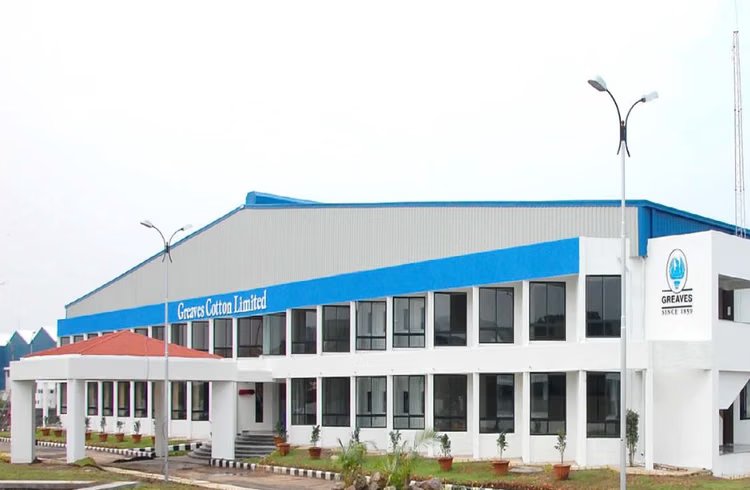
If you’re mulling over an Ampere scooter, the news that Greaves Cotton’s parent company logged a ₹29.81 crore loss in Q2 FY27 might make you pause. The company’s financial squeeze could pressure the brand to cut costs, which might manifest as higher retail prices or reduced after‑sales support.
Ampere scooters sit in the mid‑range electric scooter segment, priced roughly between ₹30,000 and ₹35,000—just below the premium Ather models and above the more budget‑friendly Hero and Okinawa offerings. With the parent company tightening its belt, the price point may face upward pressure if the company needs to recover margins.
In the crowded Indian EV market, Ampere competes with Hero Electric, Okinawa, Ather, and others that have deep pockets or strong backing. While the brand has carved out a niche with its sturdy build and decent range, the recent financial hit could erode its competitive edge if it can’t keep up with feature upgrades.
India’s EV push—mandates on electric two‑wheelers and duty reductions on battery packs—has spurred growth, but the sector also faces raw material cost hikes. Greaves Cotton’s material cost surged from ₹521.47 crore last year to ₹832.71 crore this year, a sign that the cost of batteries and components is climbing.
The loss may force the company to reevaluate its supply chain, potentially leading to tighter inventory or slower rollout of new variants. Buyers might see fewer color options or delayed feature rollouts if the company prioritizes cost containment.
Ampere scooters are currently stocked in metros like Delhi, Mumbai, Bangalore, and Hyderabad. The next few months will be critical: if the company can shore up its finances, we’ll see steady availability; otherwise, we might witness a slowdown in new deliveries and a rise in aftermarket parts prices. Keep an eye on the company’s upcoming earnings to gauge whether the brand can sustain its current market position.