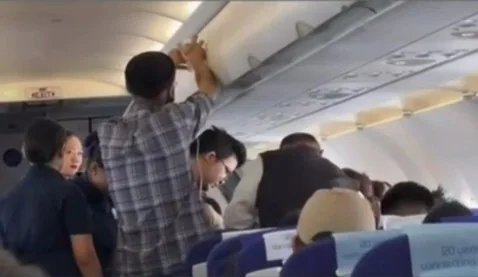
The incident began when a 58‑year‑old passenger with chronic kidney disease became breathless and his oxygen saturation dropped to about 40% mid‑flight.
The cabin crew quickly called for medical help, and a trio of doctors on board—Dr. Willie Lalhruaitluanga (general surgeon), Dr. F. Remthangpuii (pediatrician), and Dr. Benjamin Khiangte (gastroenterologist)—took over.
They started with a mask and supplemental oxygen, but the patient’s level stayed stubbornly low at around 60%. After administering a dose of steroids, the oxygen saturation climbed to roughly 90%, a dramatic improvement that allowed the flight to continue to Aizawl instead of diverting to Kolkata.
The doctors kept a close eye on the patient, ready to intubate if needed. When the oxygen level slipped again, they arranged for an ambulance to meet the plane at Lengpui Airport. Once on the ground, they performed an intubation using the limited emergency kit and secured an ICU bed at LRM Hospital.
The patient was extubated the following night, received dialysis, and is now reported stable. The doctors even set aside their luggage to stay with the patient.
This episode highlights the critical role that knowledgeable travelers can play when a medical emergency strikes in the sky. It also underscores the importance of having a clear medical plan—carrying your own emergency medication, wearing a medical alert bracelet, and informing the cabin crew before take‑off—especially if you suffer from chronic kidney disease or any other condition that could affect your breathing.
If you’re planning a flight and have a chronic health condition, consult your doctor to create an in‑flight emergency kit and make sure your travel insurance covers urgent medical care. This simple preparation can turn a dangerous situation into a life‑saving one.