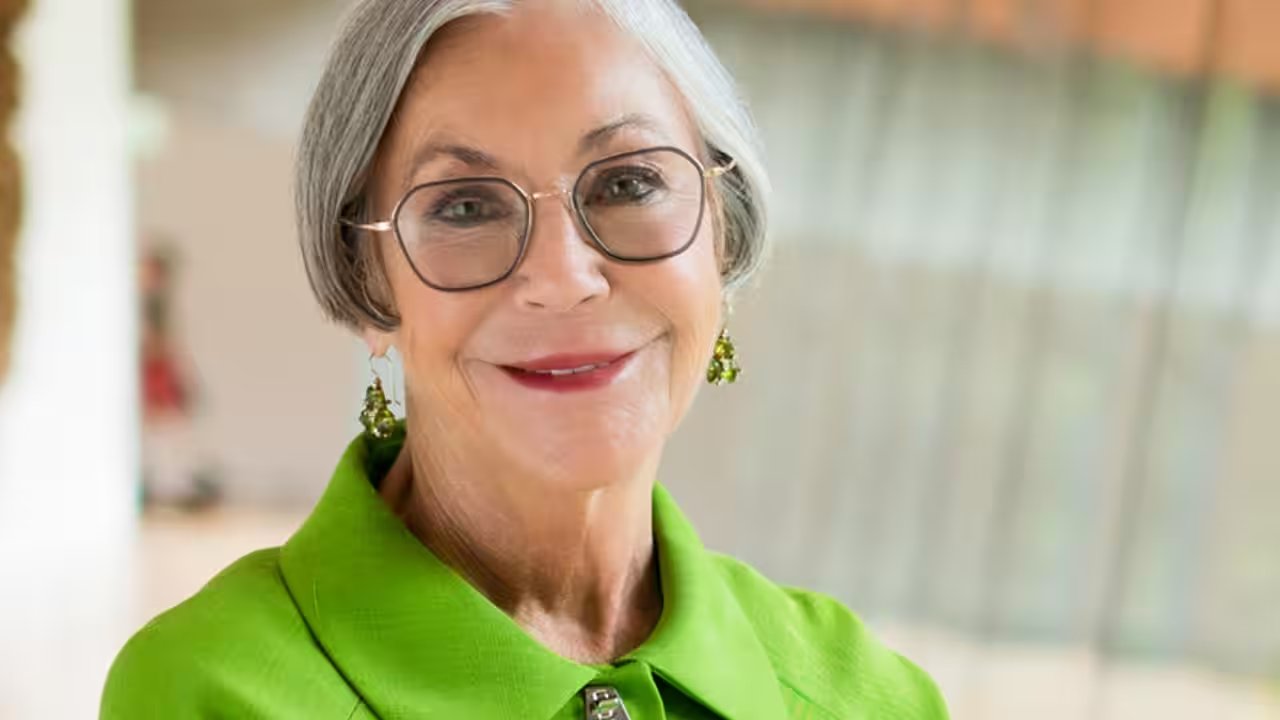
The Alice L. Walton School of Medicine, opening its doors in 2025, offers a four‑year program with no tuition for the first five student cohorts.
The inaugural class of 48 students began in 2025, and the second cohort added another 48, bringing the total to 96. Students still cover fees, books, and living costs, but the tuition waiver removes a major barrier for many aspiring doctors.
What sets the school apart is its curriculum. Beyond the standard biomedical sciences, students take courses on nutrition, exercise physiology, and the arts. Dr. Elena Patel, the school’s dean, says the goal is to “equip doctors with practical tools to guide patients toward healthier lifestyles.”
Walton’s belief that health care payment models don’t reward preventive counseling is echoed by the school’s structure. “If doctors learn to discuss diet and movement as part of routine care, patients are likely to follow,” Patel notes. The program also incorporates art therapy sessions, arguing that creative expression can reduce stress and improve patient outcomes.
The medical school is part of a larger initiative. The Alice L. Walton Foundation has pledged $350 million to build a 250‑bed hospital and cancer centre in Bentonville, with a specialty cardiac care building slated for 2029. The campus aims to bring hospital care, research, and technology together, especially for rural Arkansas communities.
For health‑seeking readers, the key takeaway is that future doctors will likely come out of training with a stronger grasp of lifestyle medicine. If the model proves successful, it could shift medical education nationwide, making nutrition and exercise a routine part of patient care. Before adopting new health habits, consult a qualified professional, but keep an eye on how medical training evolves to meet patient needs.