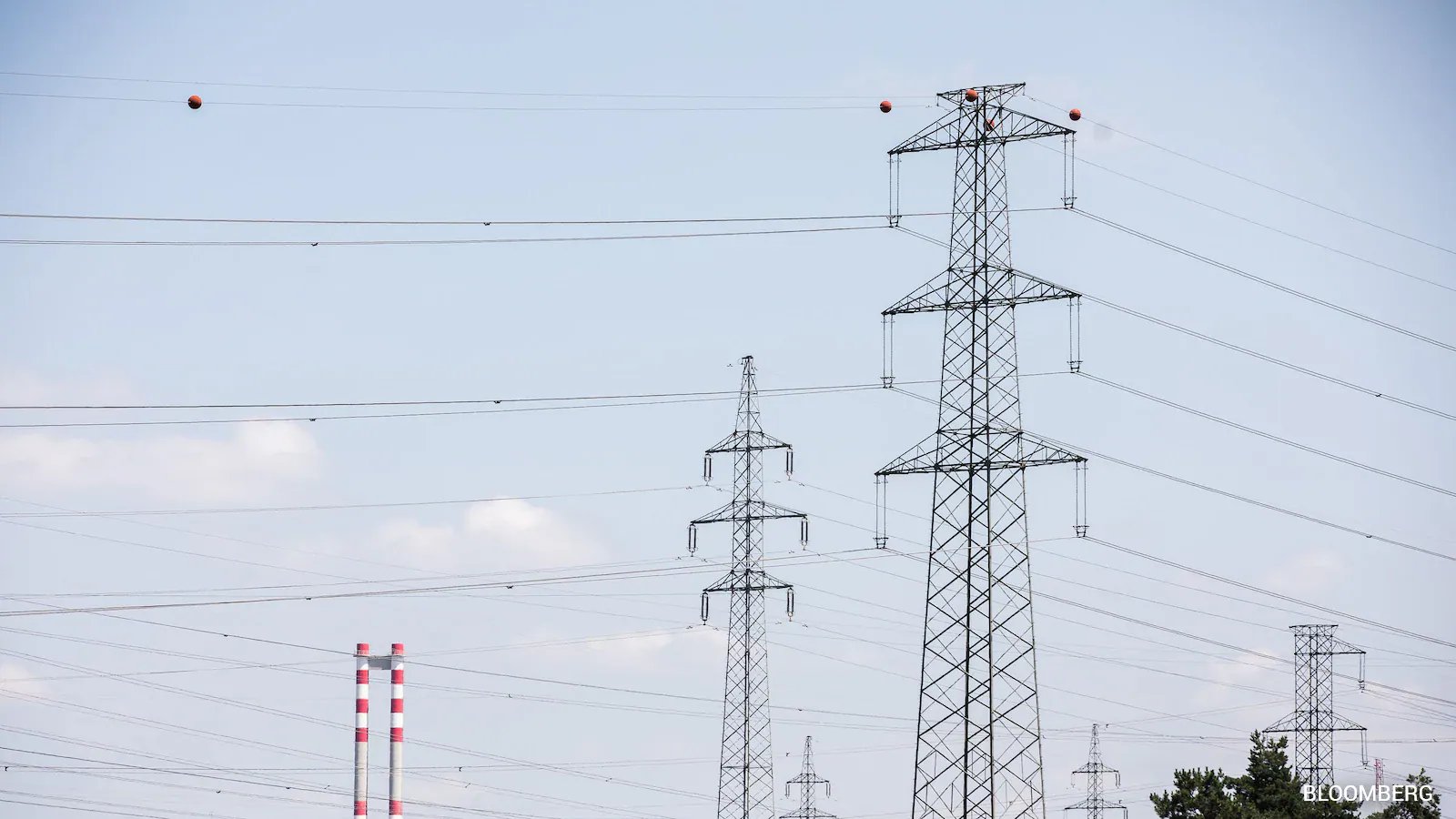
In September, India’s power ministry logged a 7.7 GW nighttime shortfall, eclipsing the peak shortages of the summer heat waves. Hydropower generation slipped 12% year‑on‑year in the first three weeks, setting a course for a fifth consecutive monthly decline.
The 15% deficit in June‑September monsoon rainfall, a hallmark of the current El Nino, has turned the season into the weakest since 2009. With hydropower accounting for roughly 9% of total capacity, the shortfall has left coal plants to shoulder the bulk of demand.
Coal‑fired output climbed 18% this month and 11% for the fiscal year, but inventories have plunged to the lowest in three years. About 40% of the 196 surveyed plants now have critical coal stockpiles, with less than a quarter of the required reserves; plants near mines—normally the most economical—hold only half the needed fuel.
Rupesh Sankhe, senior vice‑president for research at Elara Capital India, warned, "We are not in a crisis yet, but the government needs to act fast to prevent one." He urged Coal India to accelerate shipments, especially to low‑cost plants, and called on railways to supply adequate wagons for the fuel. Meanwhile, a textile mill in Gujarat has already halted production after a two‑hour outage, illustrating how the crisis hits workers and families.
Cabinet officials will meet on October 5 to decide on emergency coal distribution and potential imports. The outcome of that meeting will determine whether India can stave off a full‑blown power crisis before the monsoon season deepens.