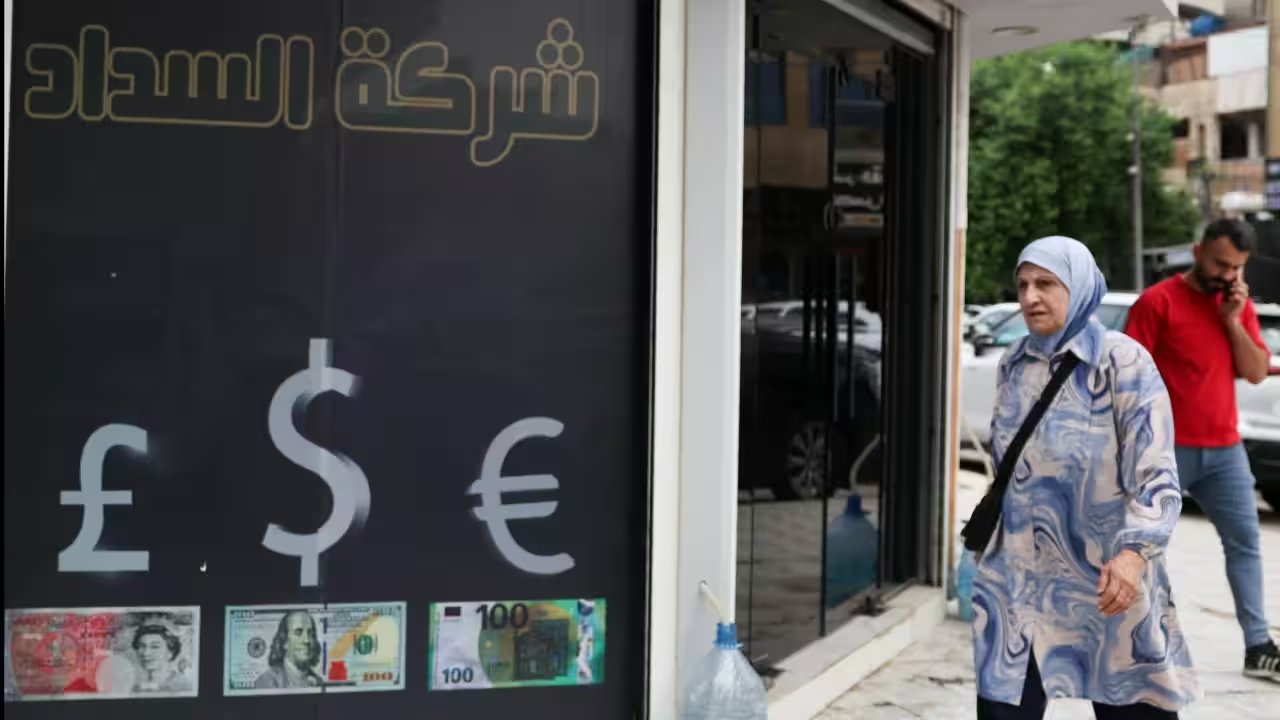
Iraq’s central bank, following a Cabinet meeting on Tuesday night, lifted the official dinar‑to‑dollar rate from about 1,300 to 1,500 per dollar to align with new financial and monetary requirements. The previous rate had been in place since 2023, and the decision was framed as a corrective measure amid mounting economic pressures.
In the open market, the dollar already trades for more than 1,700 dinars, a figure that eclipses the official rate by over 200 dinars. This widening discrepancy has intensified speculation that the central bank may need to intervene further to curb the devaluation.
The sharper rate comes against a backdrop of the US‑Iran conflict, which has disrupted oil shipments through the Strait of Hormuz and forced Iraq to divert exports overland via Syria—a route that is costlier and less efficient. The shift has added strain to Iraq’s oil‑dependent economy and amplified currency volatility.
Under the new official stance, the Finance Ministry will sell U.S. dollars at 1,500 dinars per dollar, while consumers purchasing dollars from banks will be charged 1,520 dinars. This differential reflects the market’s premium and the central bank’s attempt to manage foreign‑exchange flows.
Analysts warn that the persistent gap may prompt further devaluation or a temporary re‑adjustment of the official rate. Market participants are watching the central bank’s next move closely, as any additional change could ripple through Iraq’s import costs and consumer prices.