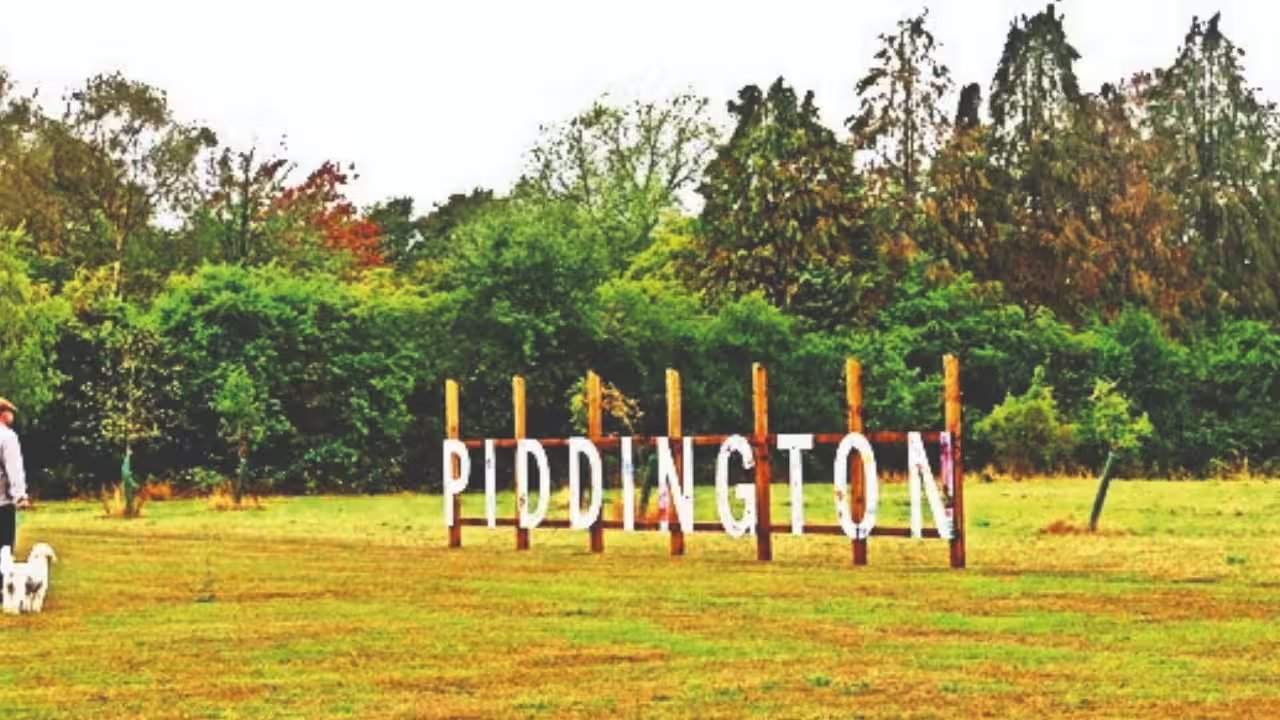
Piddington, a central English village of just 350 people, held a tongue-in-cheek "independence referendum" on Tuesday. The vote, which asked residents to declare secession from the UK, was a direct response to plans to house more than 1,200 asylum seekers at a nearby disused military site. The results were due Wednesday morning, but the outcome was never in doubt: the community is united in its opposition to the scale of the proposal.
The numbers simply do not add up. A government factsheet indicated the site would house single adult male asylum seekers for at least 10 years. Villagers argue that a community with only a village hall, a 12th-century church, and a playing field cannot absorb a population three times its size. Ian Darby, 63, a local resident, stated that while Piddington is willing to accept its fair share of migrants, the proposed figure is excessive and impractical.
Safety concerns have shifted from abstract policy to personal preparation. In an open letter addressed to Parliament's 266 women MPs, 133 female residents expressed fear for their security. Dita Jackson, a 17-year-old student and part-time stablehand, said she has started taking self-defence classes. Jennifer Owen, a 76-year-old farmer, warned that the plan would completely alter the character of the village. Local leaders, including McNally, noted that residents are not opposed to asylum seekers generally but fear an "unpredictable small minority," prompting plans for CCTV installations and a village security audit.
This isn't an isolated incident. Protests against housing asylum seekers in hotels and other facilities have erupted across the UK as irregular migration becomes a dominant political flashpoint. This month, masked men dressed in black clashed with police near two coastal ports regarding the arrival of undocumented migrants in small boats. The Piddington vote, while legally void, serves as a stark indicator of the friction between central government migration strategies and local capacity.
The next step lies with the authorities managing the site. While the referendum changes nothing legally, the volume of organized local opposition—particularly the letter from 133 women—may pressure the Home Office to review security protocols or the timeline for the 10-year commitment. Residents are waiting to see if the government's assurance of "utmost importance" for community safety translates into concrete logistical changes before the first arrivals.