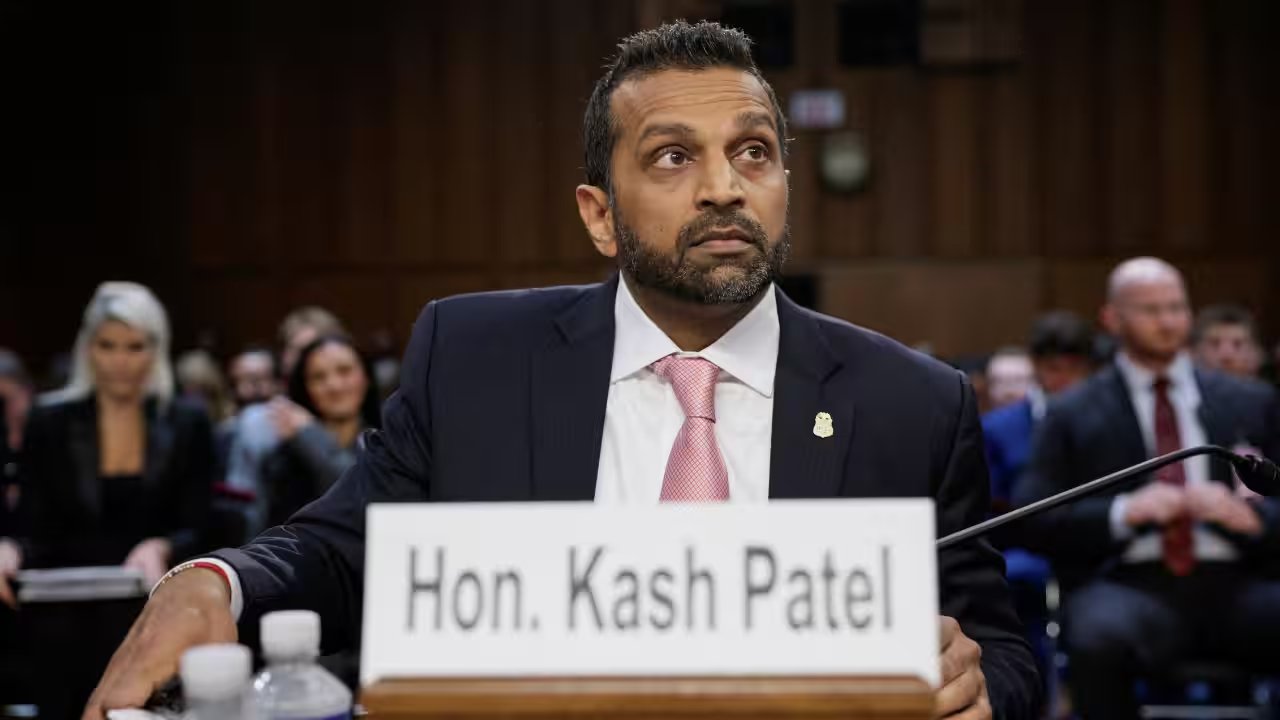
Patel hinted that the bureau’s presence could extend beyond advisory roles, potentially placing agents at polling locations—a move that would break with decades of precedent that kept the FBI largely in the post‑election investigative sphere. The agency’s mandate has been stretched under heightened security concerns, and the idea of federal agents monitoring voters has sparked a legal firestorm.
Law professor Emily J. Ross of Stanford University cautioned that 18 U.S.C. § 371 and the Voting Rights Act place strict limits on federal presence at polling places, warning that any action could be deemed overreach and prompt state‑level lawsuits.
Senator Richard Blumenthal demanded clarity, while Senator Amy Klobuchar pressed the Justice Department for a definitive memo that would define the bounds of federal activity at the polls.
In East Lansing, a voter named Maria Lopez, who will cast her ballot in a town with a history of voter suppression complaints, expressed worry that federal agents might intimidate voters, saying she fears the presence could alter the election’s fairness.
The Department of Justice is expected to issue guidance by next Wednesday, after which the FBI will decide whether to station agents at polling sites based on that memorandum and any emerging legal arguments.