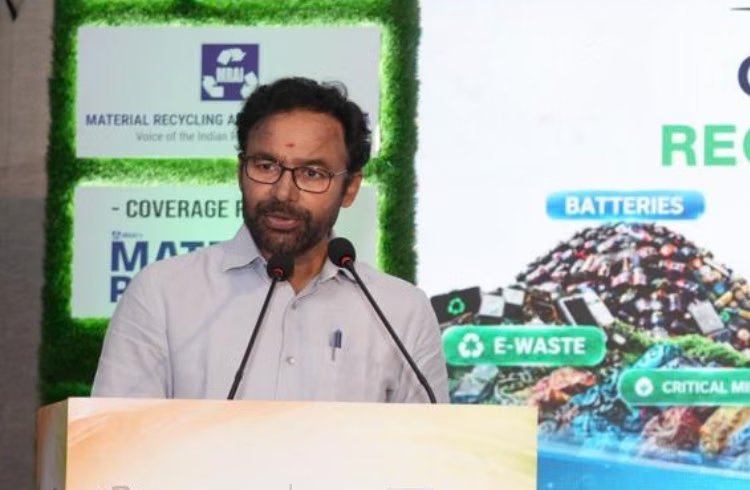
India's new ₹34,000 crore recycling push could cut EV battery costs by up to 15%—a figure that means a tangible drop in the sticker price for every new electric car on the market.
The money will fund centres that recover lithium from old batteries, nickel from spent batteries, and cobalt from spent batteries, all of which sit at the heart of every lithium‑ion pack. By turning industrial waste into raw material, the government hopes to keep the supply chain tight and the carbon footprint low.
Tata Motors’ upcoming SUV, slated for a 400‑km range, will ride on this steadier supply of critical minerals. While the company has kept the price under wraps, analysts expect a launch price in the ₹20‑22 lakh band, giving it a clear edge over rivals.
Right now, the Hyundai Kona Electric sells for ₹24 lakh with a 452‑km range, and the MG ZS EV is ₹22 lakh with 419 km. With the new recycling incentives, Tata could trim its price by roughly half a lakh, making the 400‑km SUV a sweet spot for budget‑conscious buyers.
Manufacturers will also benefit from duty relief on metal scrap and a rationalized GST on recycled materials, further trimming up‑stream costs. For the everyday buyer, that could translate to a 0.5‑lakh price dip and a more reliable battery supply.
The scheme is slated to roll out in FY27, with the first recycling plant expected in Pune by mid‑2028. Keep an eye on how quickly these plants go live—because the sooner the recycling hubs are up, the sooner the EVs hit the road at a lower cost.