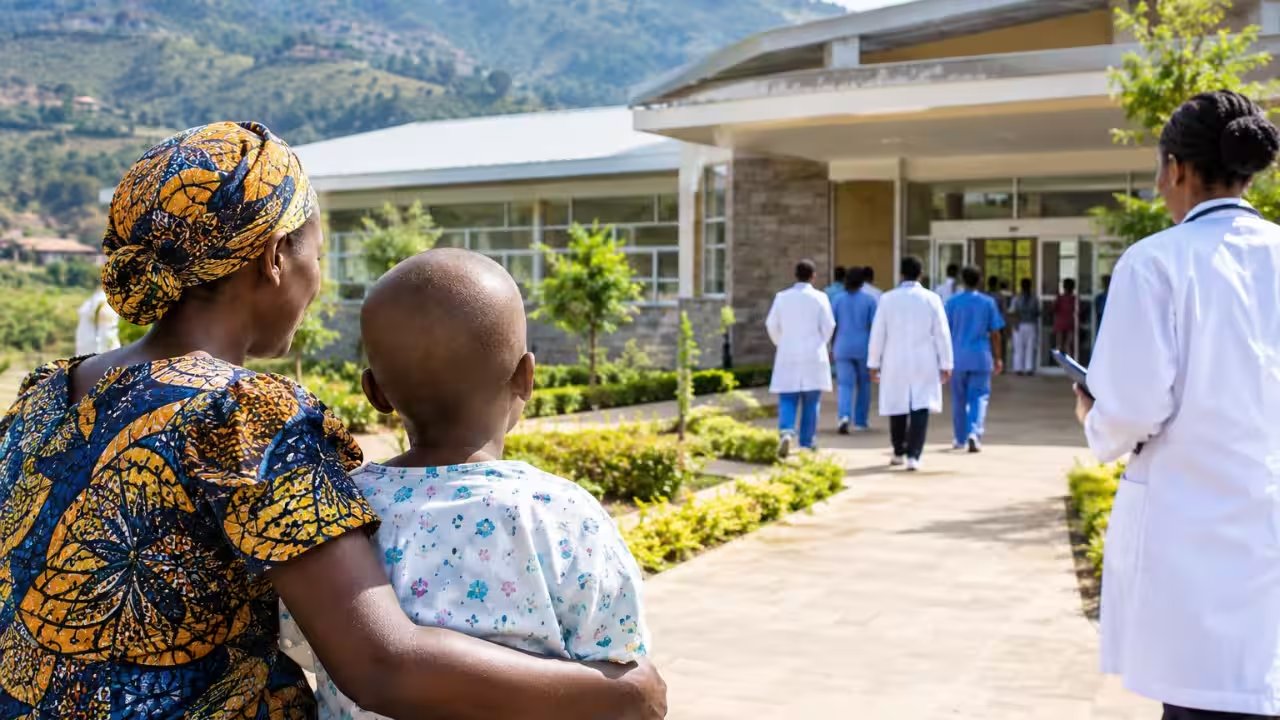
Before 2012, Rwanda had no medical oncologists or radiotherapy facilities. For patients, especially children, this meant fragmented care. Cyprien Shyirambere, a paediatrician and later oncology director for Partners In Health, recalled seeing young patients enter temporary remission only to lose access to continued treatment. The gap was stark: pathology services were limited, and diagnostic samples often had to be shipped to Boston for analysis.
The Butaro Cancer Center of Excellence changed that trajectory. Established through a partnership between the Rwandan government, Dana-Farber Brigham Cancer Center, and Partners In Health, the facility opened its doors in 2012. Jeff Gordon’s foundation was a key contributor to its launch. By May 2025, the center had treated over 18,000 patients. It wasn’t just about building walls; it was about constructing a system. The team established clinical protocols, surgical capabilities, and, critically, a local training pipeline for healthcare workers.
Autonomy in diagnosis was a major hurdle. Initially, tissue samples left Butaro for Boston. Over a decade, local staff received specialist training. By 2025, two histopathologists worked on-site, and 90% of samples were read in Butaro. This shift reduced wait times and costs. The center also instituted regular case reviews among specialists, fostering a culture of continuous medical education rather than relying on visiting doctors.
Treatment access is only half the battle; early detection is the other. Research by Lydia Pace and colleagues revealed a critical delay: women in Rwanda waited an average of 15 months between noticing symptoms and receiving a diagnosis. Barriers included cost, awareness, and a shortage of mammography machines and radiologists. To fix this, clinicians trained general practitioners, nurses, and midwives to use ultrasound for breast cancer assessment. This low-tech, high-impact strategy expanded diagnostic reach without requiring specialist radiologists in every district.
The Rwandan government scaled this early-diagnosis program to cover 60% of the country’s districts. A 2020 review in the journal Cancer Control, titled State of Cancer Control in Rwanda, acknowledges this progress while noting ongoing challenges. High drug costs, diagnostic delays, and surgeon shortages persist. The survival rate for Hodgkin’s lymphoma, while improving, still lags behind global averages. The Butaro model proves that locally delivered care can work, but sustaining it requires continued investment in workforce and supply chains.