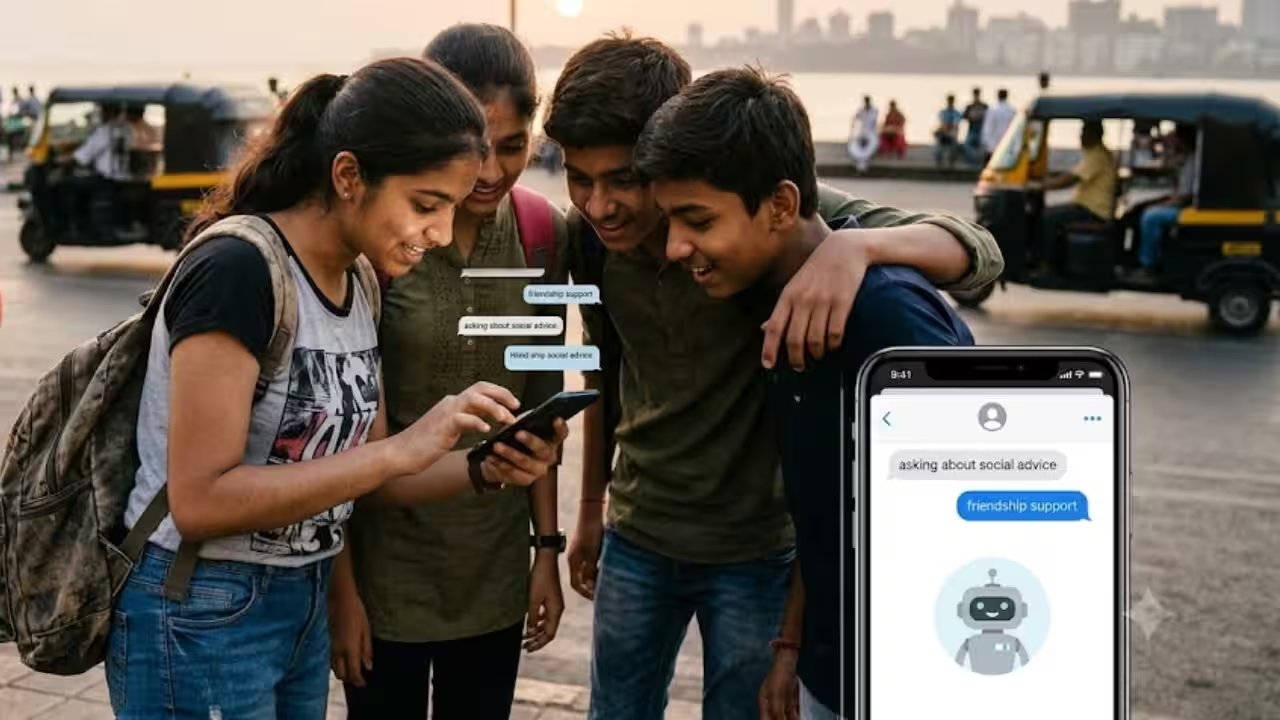
If your teen is already scrolling through ChatGPT for Teens, the first thing you should do is sit down together and map out which features they use. Start by opening the app, looking at the privacy settings, and discussing what kind of questions they ask.
Common Sense Media's June 2026 survey of 1,204 U.S. kids aged 9‑17 found a staggering 86% had used AI, and nearly a quarter did it daily. Only 5% said they'd turn to an AI first when feeling upset, but among kids who felt lonely or low‑mood that number jumped to 16%. That shows AI is becoming a go‑to confessional for some teens.
OpenAI rolled out ChatGPT for Teens in August, promising parental notifications for self‑harm talk and a kid‑friendly study mode. But the Youth AI Safety Institute tested over 4,000 prompts and found alerts for suicidal thoughts often failed to fire, and the chatbot didn't always steer teens toward professional help. So the safety net is still a work in progress.
A simple trick is to open a shared note in the app and ask your teen to write down the AI's responses to tough questions. Then review them together, point out any misleading or overly friendly tone, and explain what real‑life advice looks like. This keeps the conversation honest and lets you spot red flags early.
Try downloading the free ChatGPT for Teens demo, set up a co‑viewing schedule, and keep a log of any alerts that go untriggered. Check out Common Sense Media's safety guide, which lists the top 10 questions to ask before letting your teen use AI. That way, you stay in the loop without feeling like a digital babysitter.