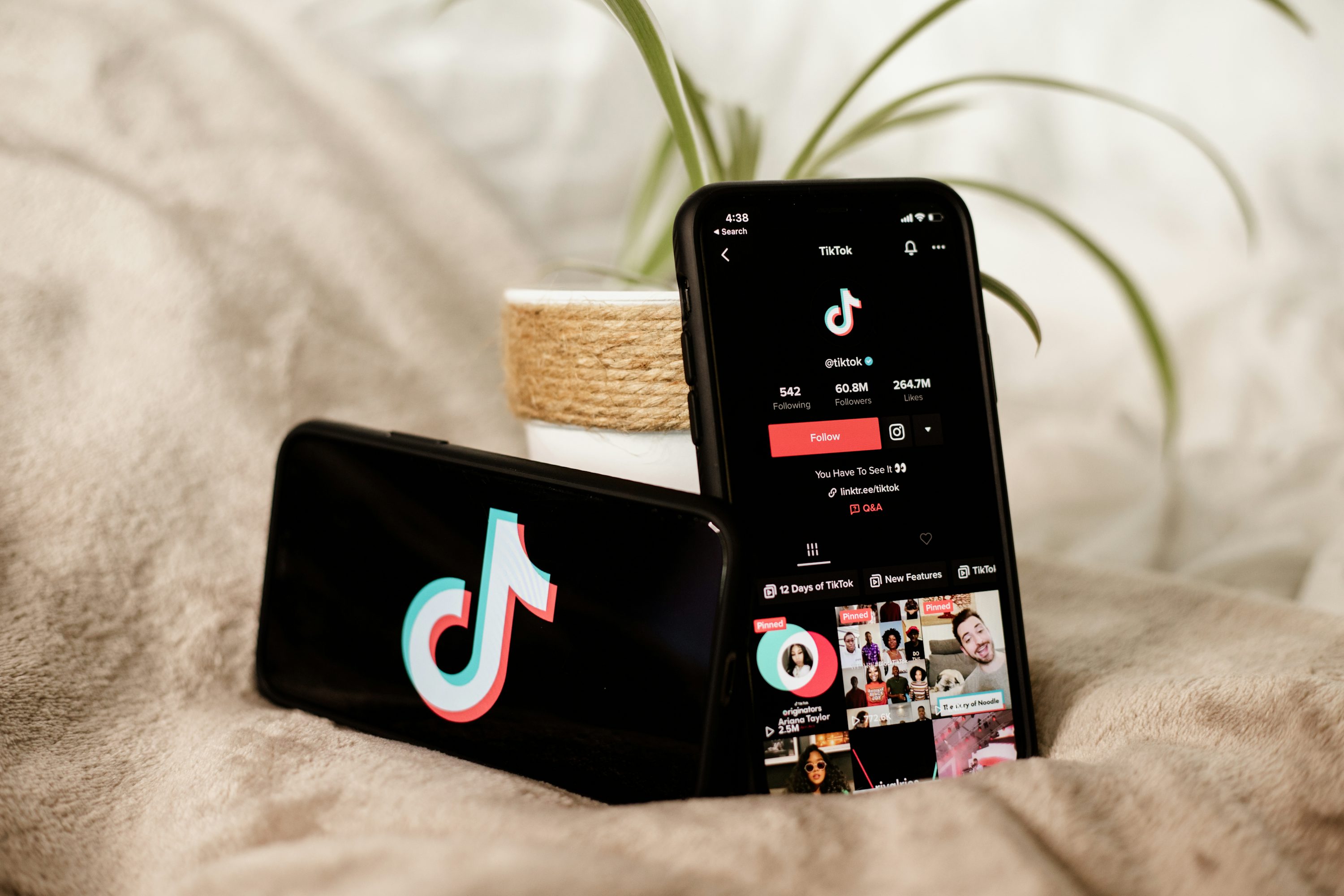
TikTok is systematically funnelling young women and teenage girls into the commercial sex industry through algorithmic recommendations and coded influencer campaigns, according to a joint investigation by international child safety watchdogs.
Researchers from the Centre to End All Sexual Exploitation (Cease) in the United Kingdom and Collective Shout in Australia spent months tracking accounts run by self-styled "sexfluencers." The findings reveal an aggressive digital recruitment pipeline. While TikTok officially bans direct external links to adult platforms like OnlyFans, adult creators bypass automated safety filters using euphemisms, hand gestures, and specific emoji combinations—swapping the word "porn" with "corn" or pairing corn and star emojis alongside their everyday lifestyle videos.
Performers embedded their pitches inside viral "Get Ready With Me" makeup tutorials, presenting adult subscription platforms as a glamorous escape from poverty and youth unemployment.
"One of the most pervasive messages across these posts is that selling sexual services on OnlyFans gives you a fabulous life, a life filled with freedom, fun, friendship and lots of money," the report noted.
The platform pushed back against the findings, insisting its moderation protocols isolate teenagers from adult solicitation. "TikTok strictly prohibits the sharing or showing of sexual content and we use advanced technologies to enforce our community guidelines," a TikTok spokesperson said in an official statement. "In addition, our systems are designed to prevent age-inappropriate content from reaching teens."
Internal resistance inside the tech giant paints a starkly different reality. Sworn federal court depositions from March 2026 reveal that TikTok employees repeatedly warned executive management about catastrophic child protection blindspots. Staff flagged that the platform directly monetized "transactional sexual content" where paying viewers accessed livestreams featuring minors, raising acute financial crime liabilities for the parent company.
Leadership actively stonewalled internal safeguards. When safety teams urged comprehensive surveys to calculate the exact volume of underage users on the app, executives shut down the audits—deliberately dodging mandatory regulatory disclosures to the US Federal Trade Commission.