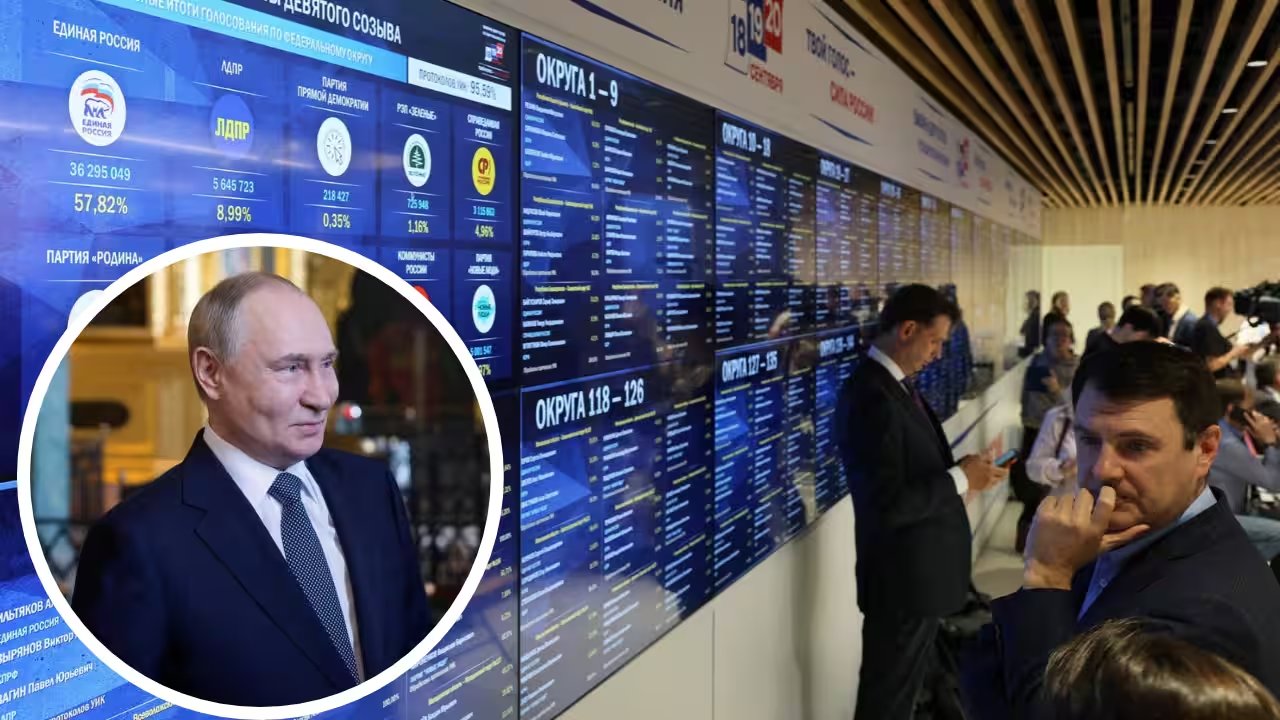
The Central Election Commission in Moscow announced the final tallies on Tuesday, confirming United Russia’s dominance with 57.83% of the national vote. That number translates to 355 seats in the 450-member State Duma. It is the party’s largest parliamentary bloc ever, up from 343 in the previous cycle.
These are the first parliamentary elections held since Russia launched its full-scale invasion of Ukraine in 2022. President Vladimir Putin framed the vote as a referendum on public support for the war and his long tenure, which began on New Year’s Eve in 1999. The Kremlin’s narrative is simple: unity. The opposition’s reality is exclusion. Reuters described the political landscape as a "tightly controlled system" where candidates critical of the war were effectively barred from the ballot.
The mechanics of the vote matter, even in a managed system. Half the Duma seats come from party lists, the other half from single-member districts. Robinder Sachdev, a foreign affairs expert, noted that while individual votes carry little weight in the national list, they can swing tight constituency races. "Aggregated votes — particularly in single-member constituencies — can have a major effect on the parliamentary balance of power," Sachdev said. United Russia’s win in those districts pushed it well past the two-thirds threshold needed to pass constitutional changes without outside help.
Liberal opposition was shut out before the polls opened. The Center for European Policy Analysis (CEPA) reported that Yabloko, a party that had seen support rise to 6% among decided voters in weeks prior, was excluded from the federal contest. Putin critic Nikolai Bondarenko was also barred from running. The result suggests the vote serves less as a choice of government and more as a diagnostic tool for the Kremlin, measuring regional loyalty and administrative efficiency.
The State Duma will convene with its new supermajority shortly. Analysts watch for immediate moves on constitutional amendments or war funding, but the political opposition is already planning for the next cycle, hoping to capitalize on any cracks in the United Russia machine.