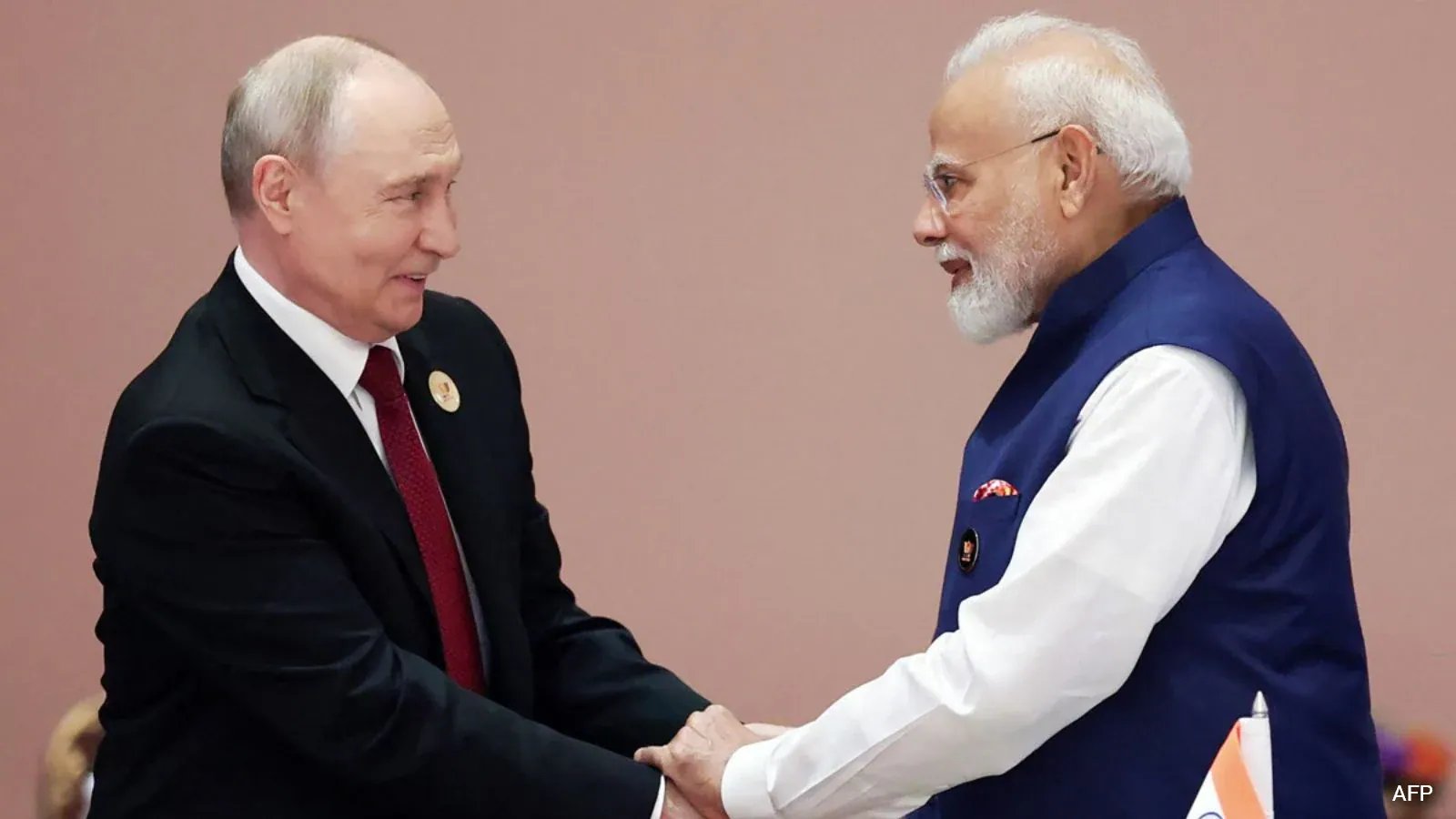
Sergey Lavrov, Russia’s Foreign Minister, threw his country’s full weight behind New Delhi’s push for a permanent seat on the UN Security Council. Speaking at the 81st UNGA in New York on Saturday, he made no effort to soften the language. "We support Brazil's and India's candidatures for a permanent seat," he stated, aligning Moscow’s stance with broader BRICS declarations that favor the Global South over Western expansion.
The endorsement came with a sharp, almost personal takedown of two of India's closest democratic allies. Lavrov specifically named Germany and Japan, claiming they are "on the path to militarism and revanchism." He argued that any UNSC reform must categorically exclude new Western seats, effectively trying to lock these two nations out of the elite club of veto-holders while opening the door for New Delhi and Brasília.
New Delhi isn't walking alone into this diplomatic minefield. Mauritian Foreign Minister Dhananjay Ramful also took the podium to explicitly back India's candidacy, citing the country's "constructive role in global affairs" and expressing support for both the G4 and L69 reform groups. It’s a coalition-building effort that relies on the sheer voting power of non-aligned nations rather than the goodwill of the current permanent five.
But here’s the friction point. Changing the UN Charter is a legal labyrinth. It demands a two-thirds majority in the General Assembly AND formal ratification by two-thirds of member states—which absolutely must include the consent of the existing five permanent members. Russia’s enthusiastic yes means very little if China, a close strategic partner for Moscow but a fiercely competitive rival to India, says no. Beijing has maintained a hardline, strongly opposed stance to New Delhi’s inclusion for years.
So, what happens next? The diplomatic pressure is mounting on the Western bloc, but the structural deadlock remains. Unless the P5 can find a bizarre consensus or the General Assembly manages a massive, unprecedented coalition to override the status quo, India's bid stays parked in a legislative limbo. The next major hurdle isn't a vote—it's a fundamental shift in the geopolitical balance that hasn't happened yet.