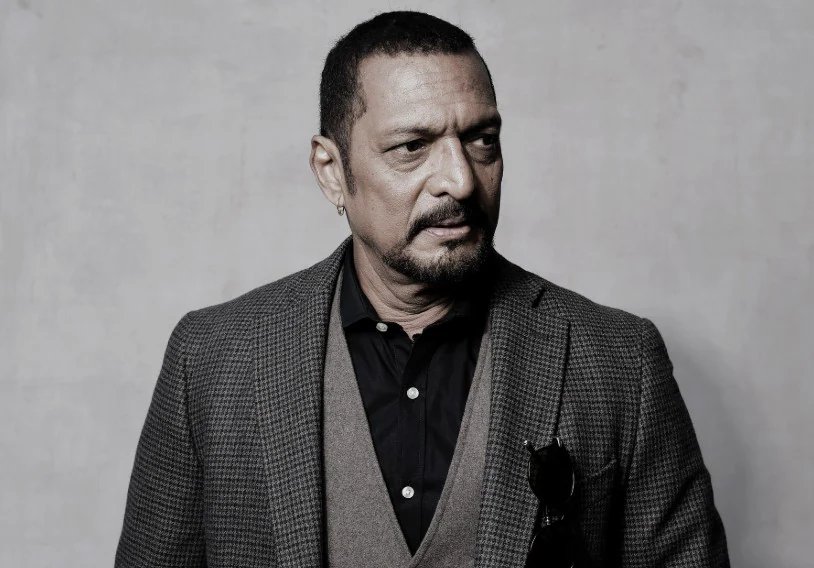
The first time Nana Patekar set foot in Mumbai, he was nothing more than a 13‑year‑old with a paint‑brush in hand, trudging eight kilometres each morning to Chunabhatti to splash film posters on brick walls—earning a paltry ₹35 a month and living on a single meal a day.
By 1978, the same boy had slipped into the glamorous world of Bollywood with his debut in Gaman, and by the mid‑80s he was the face of classics like Parinda and Krantiveer. Each role piled on another layer of respect, and soon he was commanding ₹2‑₹3 crore per film, a sum that would have seemed obscene in his childhood.
Fast forward to the present, and Nana’s net worth is pegged between ₹60‑₹80 crore, thanks to a mix of film fees, brand deals, and property gains. His Andheri flat, bought for a modest ₹1.1 lakh, now ticks up to ₹3 crore, while a 27‑acre farmhouse in Khadakwasla serves both as a retreat and a working farm. He kept a Mahindra Jeep CJ4, a Scorpio, and an Audi Q7, but rarely flaunted them—once even turning down a ₹1.5 crore luxury car to help farmers instead.
What makes Nana’s story resonate is that his wealth never eclipsed his ethos. He remained a one‑bedroom dweller, a simple car owner, and a philanthropist who used his money to give back. In an industry obsessed with glitz, his trajectory from a ₹35 a month starter to a ₹80‑crore titan underscores that real power lies in persistence and purpose.