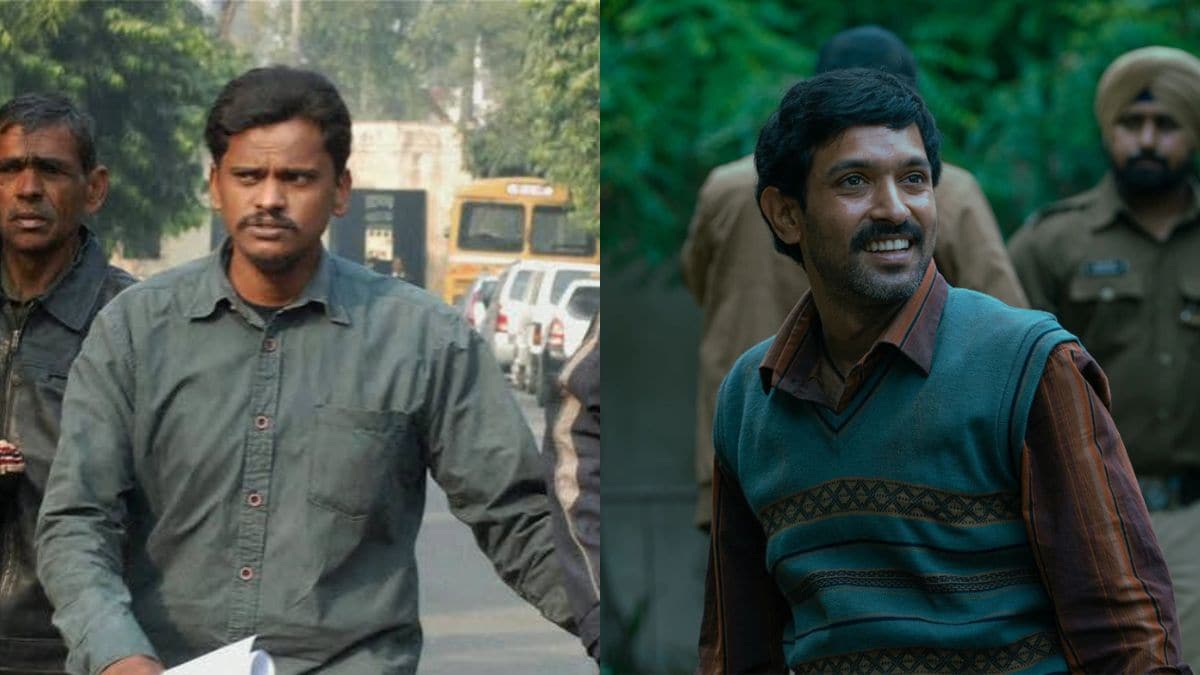
The first frame of Sector 36 whirls around a cramped Noida alley, the hum of an eerily distant siren—Vikrant Massey steps into his role with a quiet menace that refuses to fade. He carries every scene on his shoulders, a man trying to hold back a storm. The camera never lingers, always cutting to the next heartbeat.
Aditya Nimbalkar, who helms the film, chooses a pacing that feels like a detective’s breath held between clues. The script, penned by Bodhayan Roychaudhury, twists the dark facts into a narrative that respects the victims while refusing to sensationalise. The result is a film that feels like a confession, not a crime scene.
Behind the flickering lights, the story echoes the 2006 Nithari tragedy that shook the nation. In December, a bungalow’s drains yielded more than decay; they opened a door to a horror that was a series of disappearances, a forensic nightmare, and a courtroom drama that spanned decades. The film’s fictional lens bypasses the legal quagmire, letting viewers feel the weight of unproven guilt.
The case had already resurfaced this year when Surendra Koli, once a suspect, was found dead in a Haridwar tea stall on 18 September 2026. Police label the death a suicide, but no note surfaces, and the investigation is still on. The film, released in 2024, sits in the crossfire of a story that never truly closed.
Critics have praised the film’s raw energy, noting that it offers a fresh perspective on a case that had long been buried under legal twists. It also reminds us that cinema can be a mirror to society’s darkest corners, prompting viewers to question what we accept as justice. With the case still in the public eye, Sector 36 may well be the catalyst for a new wave of true‑crime storytelling.