If your company is buying its own vehicles, the numbers are striking: only about 2% of passenger cars in India belong to corporate fleets, compared with 35% in Thailand or Western Europe. That means most sales reps, field engineers and rural operators are now riding bikes or using app‑based cabs instead of corporate cars.
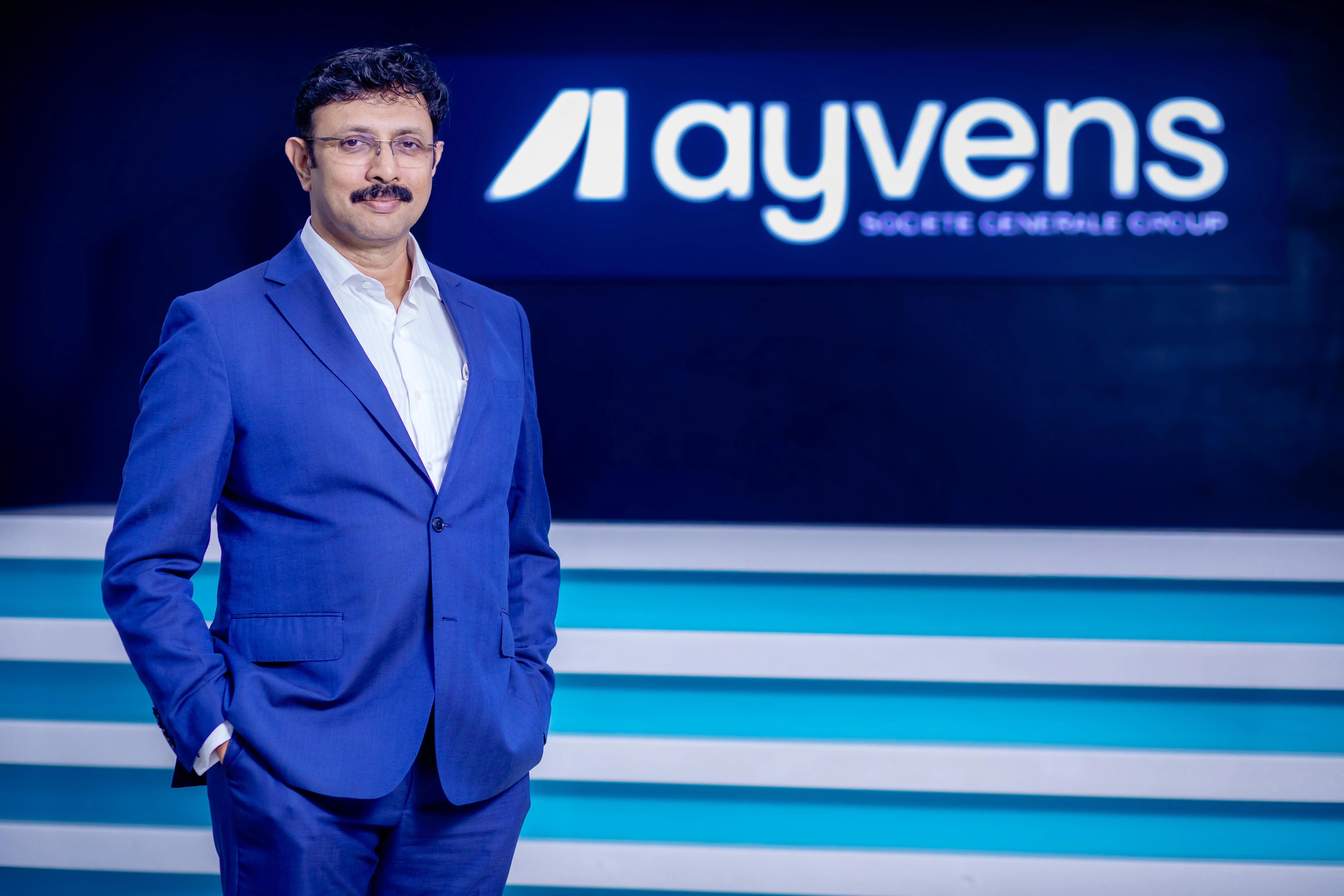
The switch began in the early 2000s when firms moved from “company car” perks to Cost‑to‑Company (CTC) packages. The change pushed middle managers and salespeople to personal motorcycles or public transport because the car was seen as a status symbol rather than a tool. As Suvajit Karmakar, Ayvens’ India MD, notes, “A guy who’s actually out on the field to meet clients rarely needs a car.”
When you compare costs: a compact vehicle lease runs about ₹15,000‑₹17,000 a month, plus ₹8,000‑₹10,000 for fuel on a 1,000‑km run. An Uber or Ola ride comes in at roughly ₹26‑₹27 per km. The math shows leasing can be cheaper, especially if you’re covering a fixed distance.
Rural operations magnify the advantage. In Assam, Bihar and Odisha, agribusinesses deploy fleets of over 1,000 leased cars to teams that have no public transit. The logistics are outsourced to Ayvens, which also offers 24/7 roadside assistance and quick replacement vehicles, keeping field staff mobile without the overhead of managing a fleet.
Policy hurdles add another layer. Under the Motor Vehicle Act, a leased vehicle must be registered in the lessee’s name, not the lessor’s, complicating maintenance and insurance paperwork for corporates. This bureaucratic drag keeps many firms from expanding their own fleets.
EVs are the next front line. In 2025, EVs, hybrids and CNGs made up 27% of new deliveries, but early EVs lose ₹2.5‑₹3 lakh in residual value over four years as battery range falls from 180 km to 70 km. Hybrid models remain the preferred choice for long‑haul field teams, sidestepping charging delays.
For the average buyer, the trend points to a future where flexible, low‑emission bikes and shared ride‑hailing services will dominate field mobility. Companies are leaning into leasing to avoid ownership hassles and to keep costs predictable.
Look for the next wave: Ayvens is testing a dedicated fleet of electric bikes for urban sales teams, and other leasing firms are lining up hybrid vans for rural outreach. If you’re on the fence about purchasing a corporate vehicle, weigh the lease‑plus‑fuel model against the upfront cost of a car, especially in a market where 85% of the field is moving away from company cars.