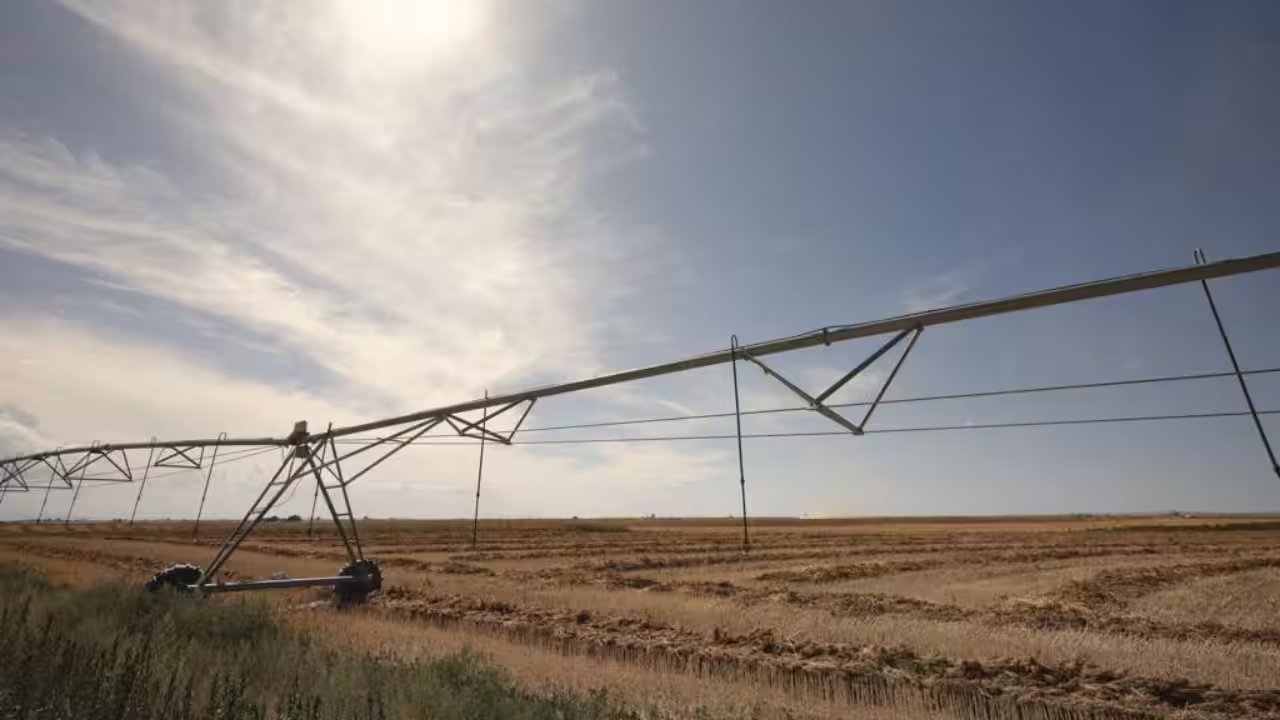
Jerry Bingham and his family stopped pumping water from the Eastern Snake River Plain aquifer on order, and their 1,000 acres of wheat, alfalfa, and potatoes died in the heat. The Binghams have worked this land near Blackfoot for three generations, since 1950. Now they are suing the state in the Seventh Judicial District Court of Idaho, claiming regulators broke the law and took their property without compensation.
The fight started with an administrative order from Matthew Weaver, Director of the Idaho Department of Water Resources (IDWR). Weaver issued a blanket ban on groundwater pumping for any user with rights dated after 1900, unless they were in a specific mitigation district. The state said this was necessary to stop the aquifer from dropping further and to protect senior surface-water rights held by canal companies downstream. But the Binghams hold a 1950 water right.
Idaho law follows a strict "first in time, first in right" system. When water runs short, regulators must cut off the newest rights first, working backward. They are not supposed to draw a line at 1900 and ban everyone above it. Pacific Legal Foundation Senior Attorney Damien Schiff, who represents the Binghams, said the state’s blanket cutoff ignored the legal hierarchy. It grouped the Binghams’ 1950 claim with much newer rights, ignoring the specific curtailment procedures the state is required to follow.
The damage was immediate. With the pumps off, the soil across the entire 1,000-acre spread dried out during the peak growing season. The family submitted five different mitigation plans to IDWR, hoping to resume irrigation while meeting state conservation goals. Regulators rejected all five. Since the initial shutdown, the family has been allowed to turn the pumps on only once, during a brief window in April 2026. Their fields are now empty.
This case is not just about one farm. It is part of a widening conflict in Southern Idaho over the Eastern Snake Plain Aquifer, which covers nearly 10,000 square miles. Years of drought and changing rainfall have reduced the water flowing back into the underground system. Downstream operators with 19th-century water rights have pushed for state intervention, leading to a related settlement in September 2025. But individual family farms that did not join large groundwater districts are left without a clear path to keep their crops alive.
The Binghams are asking the court to pause the enforcement of the water order and rule that their water rights are protected property under both state and federal constitutions. The next step is a judicial review of the IDWR order, which could set a precedent for how the state handles water scarcity disputes across the basin.