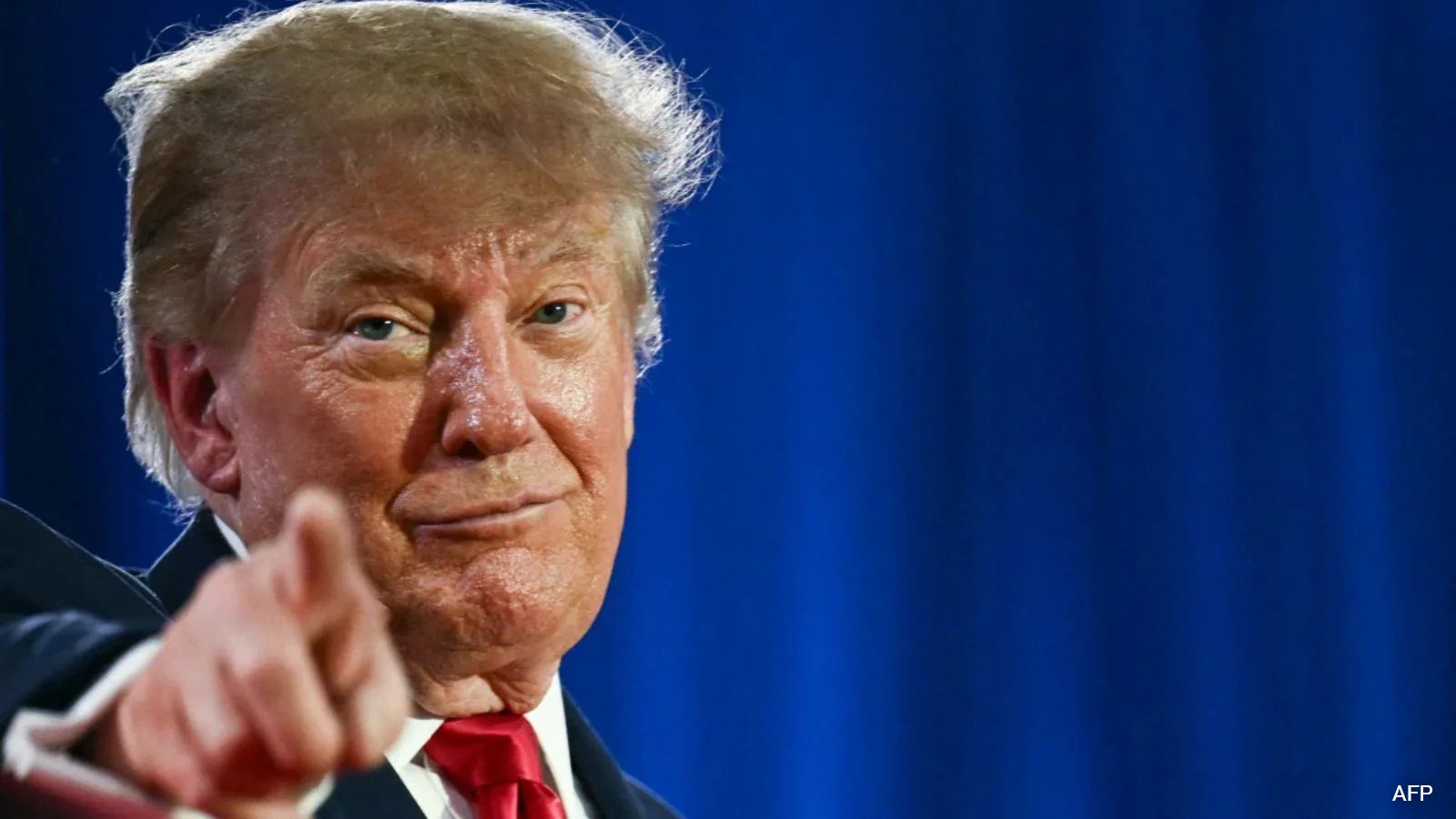
U.S. Central Command has already deployed dozens of aircraft, naval vessels, and ground units in the Persian Gulf, positioning them to hit Iranian military sites, energy infrastructure, and nuclear facilities as soon as a presidential directive arrives—an arrangement that could extend beyond limited radar strikes.
The Pentagon’s operational planners have compiled a list of more than 20 high‑value targets, including missile launch pads, radar sites, and the Natanz enrichment plant, in preparation for a broad strike package that could overwhelm Tehran’s defensive network.
Trump’s decision‑making window appears to be tied to the 2026 mid‑term elections; senior officials say a green light could be granted anytime before year‑end, but the administration is likely to hold off until after the electoral calendar to avoid domestic political fallout.
Washington’s intelligence community warns that Iran and Yemen’s Houthi rebels are primed for retaliation if U.S. forces strike; a memo from the director of national intelligence noted that Iranian targeting efforts have reached advanced stages in both the Middle East and other theaters.
Israel has been urging a joint attack, with Prime Minister Netanyahu reportedly pushing President Trump for approval before the elections; the Israeli defense chief cautioned that a U.S. strike could derail Israel’s electoral timetable, prompting a pause in immediate operations.
The U.S. military remains ready, but the next concrete step will be President Trump’s final authorization—anticipated to come before the end of the calendar year, with the possibility of a post‑midterm launch if the administration deems the political climate favorable.