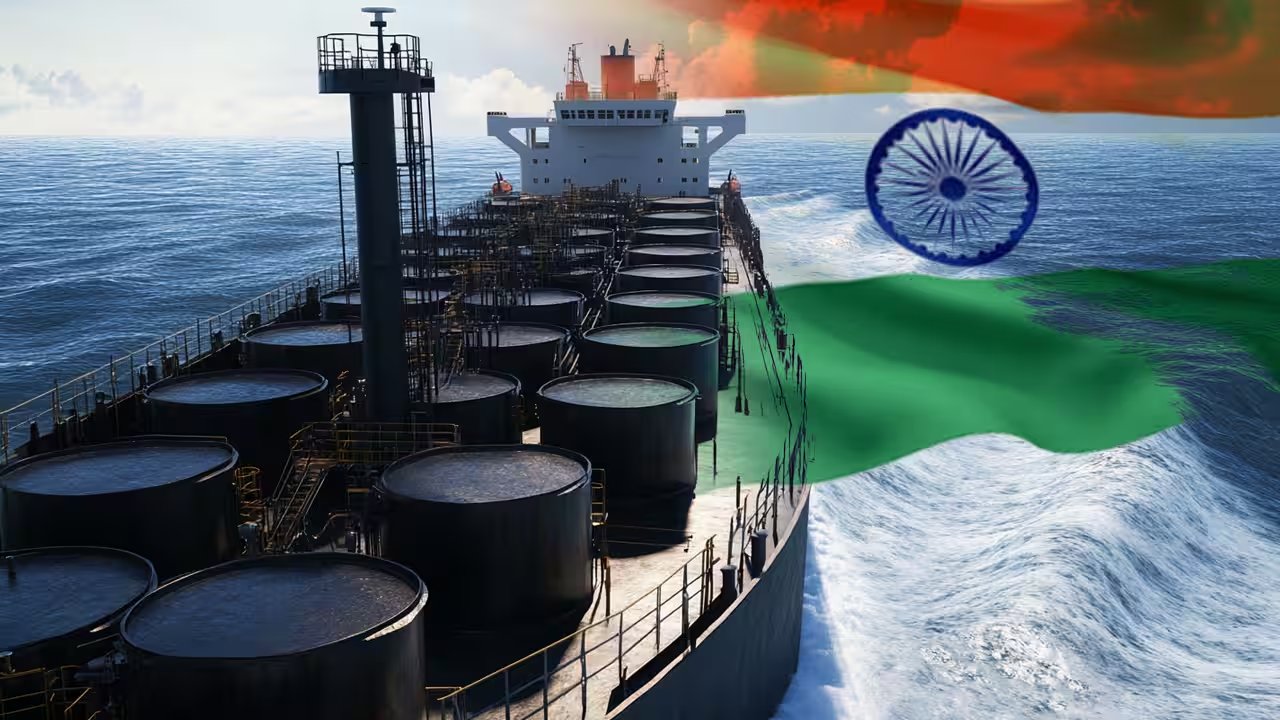
Indian Oil Corp, Reliance Industries, Bharat Petroleum and HPCL‑Mittal have chartered tankers to cross the Strait of Hormuz for Iraqi crude, a move that could see 1.3 million barrels per day flowing into India at $37‑per‑barrel discounts. The decision follows a war‑induced bottleneck that forced refiners to rely on cost‑and‑freight arrangements through Gulf producers. By taking control of shipping under free‑on‑board terms, the companies aim to cut logistics costs and curb price volatility. The shift was announced in early March 2026, as the industry welcomed a return to pre‑war traffic levels.
Since the U.S. and Iran clash began in March, Indian refiners had avoided the narrow passage, instead outsourcing transport to Gulf firms and paying a premium. Under the old arrangement, the Indian firms paid a cost‑and‑freight fee that left them with higher crude bills, while the Gulf producers handled the risk of the contested route. The new charter strategy gives the refiners ownership of the vessel and the ability to negotiate freight rates directly with shipping companies.
Bloomberg sources say the companies floated tenders last week and sealed deals with Sinokor Group and Dynacom Tankers Management Ltd. Shipping Corp. of India and Lila Global had bid but the tenders were later cancelled, according to the same sources.
The move comes as oil flows through Hormuz have rebounded to 98% of pre‑war levels, according to a JPMorgan note, and the Saudi Arabia east‑west pipeline has resumed operations. The resurgence in traffic has reduced the risk profile for vessels, making the route more attractive to Indian firms. Analysts point out that the higher volume also means better rates for the refiners.
In August, the Directorate General of Shipping eased a ban that had prevented Indian seafarers from traveling through Hormuz, requiring only that shipowners secure consent from the crew. The new advisory removed a key bureaucratic hurdle that had slowed the shift.
Iraq’s state‑owned SOMO is offering contracted supplies for October at discounts of up to $37 per barrel, a figure that has made the crude particularly enticing. Kpler data shows that September’s 1.3 million barrels per day through Hormuz is the highest flow since February, before the conflict erupted.