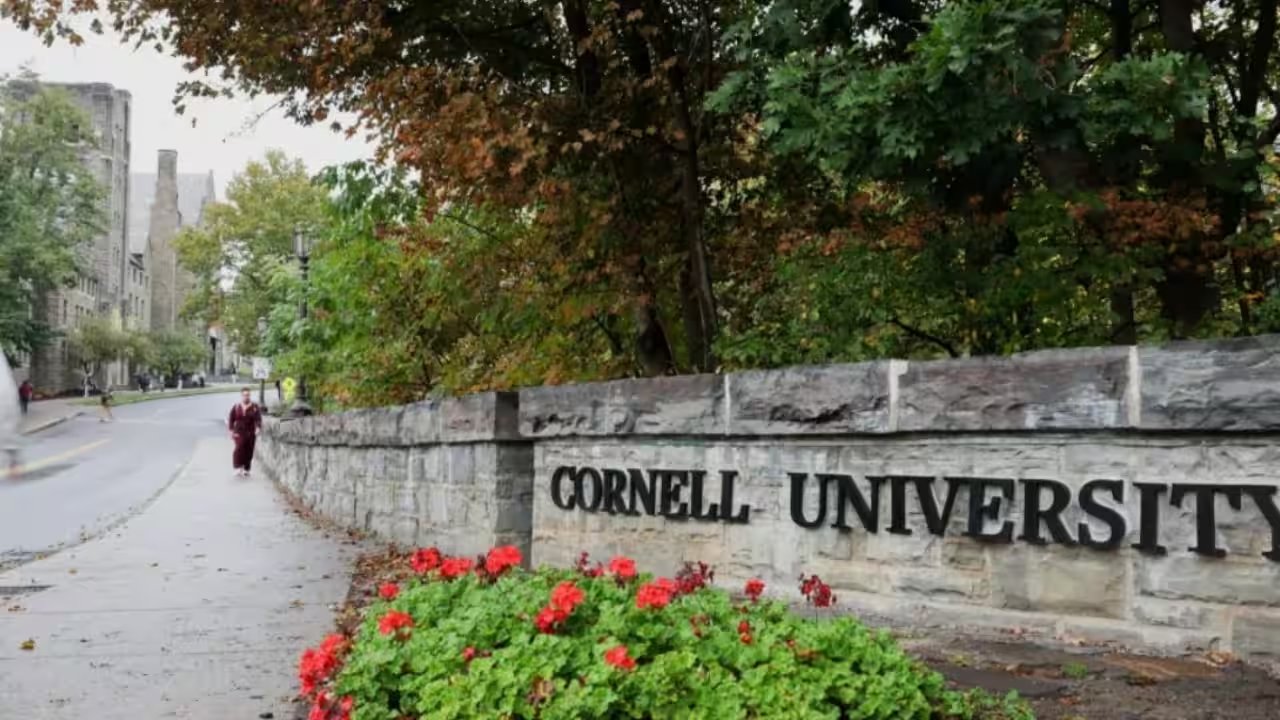
The Title IX panel’s findings involve seven Chi Phi fraternity members, who faced a spectrum of disciplinary actions: the most severe penalty for two, suspensions for two others, and lighter measures for the remaining three. The university has also barred the fraternity from campus entirely.
Allegations stem from Oct. 19, 2024, when Jane Doe entered the Chi Phi house at about 11 p.m. to meet Matthew Ingalls after a night out. Ingalls allegedly forced her to ingest ketamine and alcohol, then encouraged other men to enter the bedroom while she was incapacitated. Jonathan Newell reportedly sent a Snapchat message inviting other fraternity members to join, and both were found responsible for assault and sexual exploitation.
Ingalls and Newell received the highest sanction, while Winston Lee and Gillio Lopes were suspended for two and three semesters, respectively, and required to complete sexual‑harassment training and reflection papers. Diego Sarabia, already graduated, was declared persona non grata for three years. Scott Norris and Scott Kretzschmar faced lighter penalties, barred from contacting Jane Doe and required to complete training on harassment, social media, and bystander intervention, plus reflection papers.
Jane Doe’s lawsuit, filed in September, alleges the university misrepresented the sanctions and gave the men the chance to mitigate their conduct through essays. In response, New York Governor Kathy Hochul ordered an independent review and appointed Attorney General Letitia James as special prosecutor with authority to bring criminal charges.
James will examine Cornell’s disciplinary process and the adequacy of the sanctions. A hearing is expected to take place in early 2025, and criminal charges could be filed if the review finds violations of state law. The outcome will likely influence future university policies on sexual misconduct.