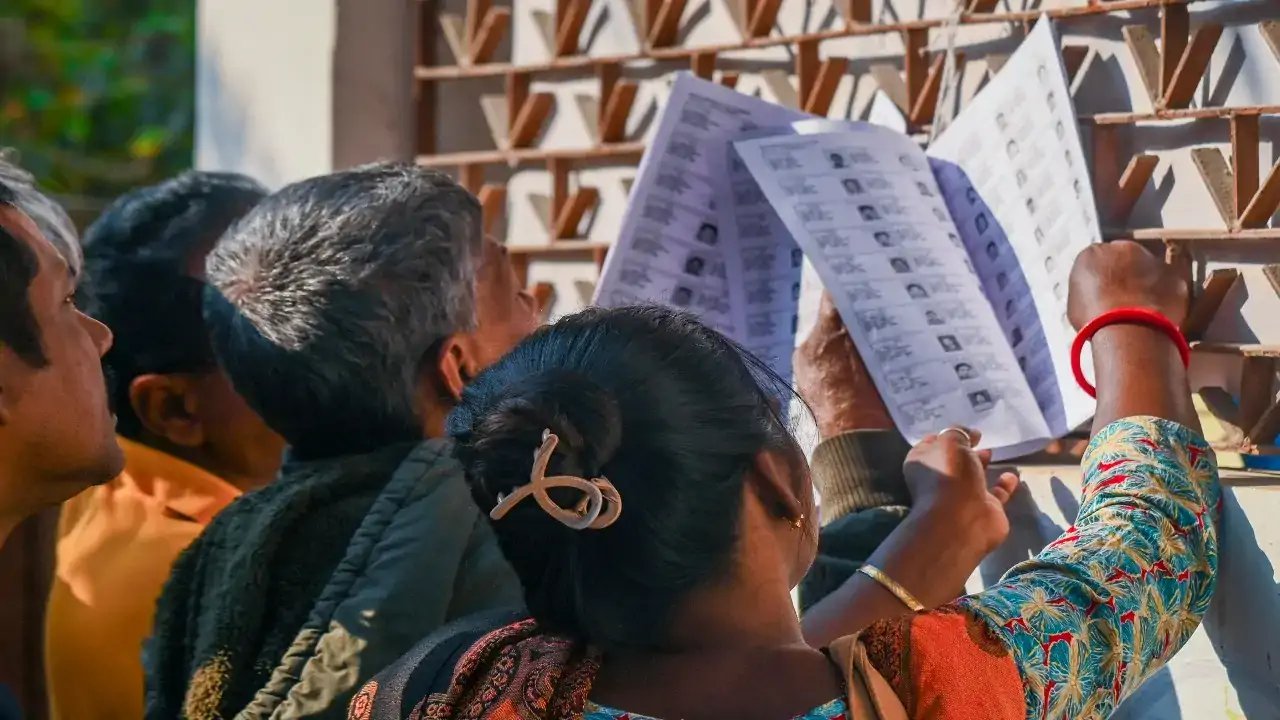
The Goa Chief Electoral Officer’s office released a status report on Thursday confirming that 88 of the 97 voters initially dropped from the state’s electoral roll have been reinstated. These 97 names had vanished from the final draft published in February 2026, sparking a localized firestorm after an Indian Express report alleged that ECI software bugs prevented the changes from being recorded. The CEO’s update marks a concrete resolution to a bureaucratic failure that threatened to disenfranchise a small but verified group of citizens in the state.
The remaining nine cases are more complex. Three of the individuals hold Portuguese passports, while six are currently residing outside India. “The concerned officials are making efforts to establish and maintain contact with them for further necessary action,” the CEO’s office stated on X. This distinction matters because the standard Form 6 process assumes a domestic address for verification, making overseas residents a logistical headache for Booth Level Officers who had already visited their homes earlier in the year.
This specific cluster of 97 voters became a proxy for a much larger national anxiety over the Special Intensive Revision. Critics argued that the software did not allow verified names to be added back once deleted, a claim that would imply systemic disenfranchisement rather than a technical glitch. The CEO’s office had previously pushed back on that narrative, asserting that BLOs had individually visited the affected households to assist them with paperwork. “Many have since been enrolled, while the remaining cases are being processed. It is reiterated that no eligible electoral will be left behind,” the office had written on September 24, a statement that now appears to be holding up under scrutiny.
With the immediate crisis over the 97 names largely contained, the focus shifts to a broader Special Enrolment Drive mandated by the Election Commission of India. The Goa CEO’s office announced this drive will target two groups: the remaining left-out citizens and young, first-time voters who have recently turned 18. The goal is simple—close the gap between the eligible population and the actual roll before the next cycle of deletions begins.