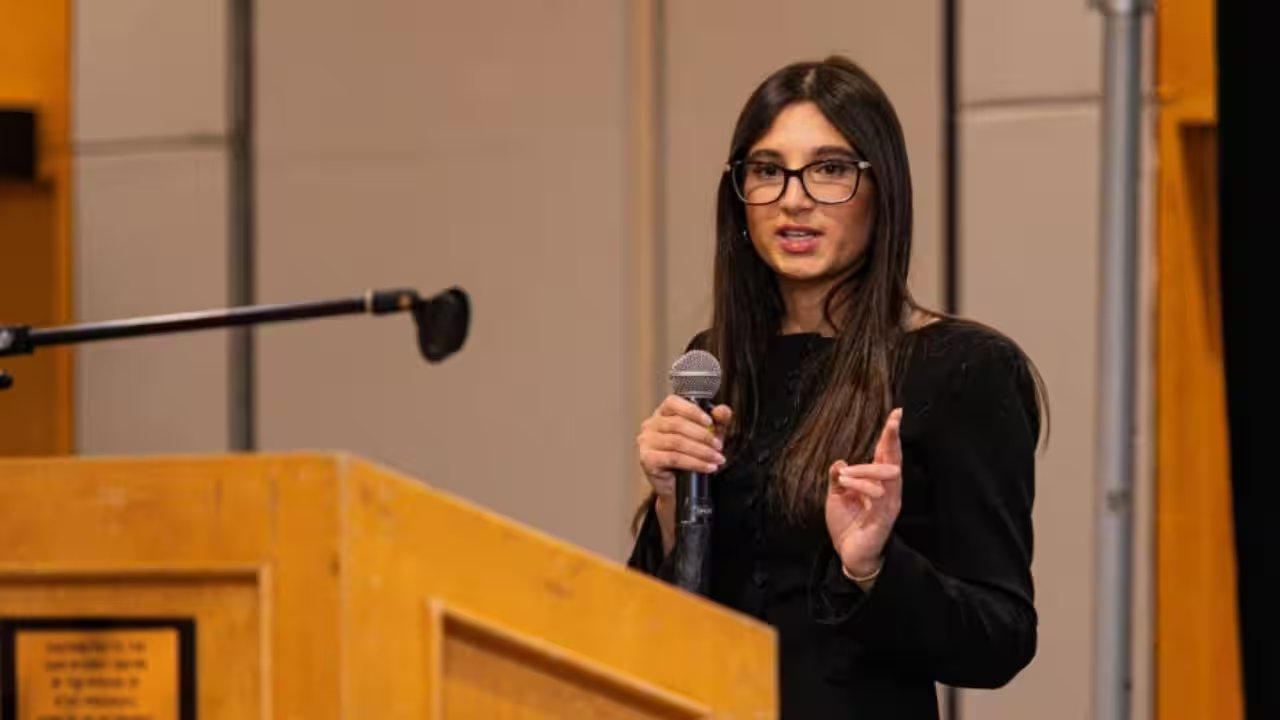
WINDSOR, Canada — Discarded fish parts from commercial hauls in Lake Erie may soon stock premium pet food aisles instead of rotting in provincial landfills.
At the University of Windsor, student entrepreneur Ramla Hammoud and her interdisciplinary venture, Team 100% Fish, clinched first place at the university’s inaugural Hult Prize on-campus finals on February 5, 2026. Their proposal was straightforward yet technically demanding: take the unmarketable heads, skins, and trimmings discarded by Lake Erie’s commercial freshwater fisheries and process them into protein-rich, premium dog biscuits. The judges voted in their favor. The victory punches the team's ticket directly to the national showcase in Montreal.
Commercial freshwater fishing supplies processing plants with thousands of kilograms of catch intended solely for human plates. But filleting leaves a substantial ecological footprint behind. Fishery operators routinely route leftover carcasses to municipal dumps or offload them for conversion into industrial biofuels. Team 100% Fish spotted a missed economic opportunity in that waste stream. By bridging veterinary science with startup economics, the undergraduate unit designed a manufacturing model capable of upcycling organic waste into retail-grade canine snacks.
Hammoud assembled a mixed roster of science and business undergraduates to crack both the biochemical and commercial obstacles of fish-based pet food. The project targets an expanding market segment: pet owners demanding sustainable, single-ingredient treats free from artificial fillers.
Rather than treating fishery residue as industrial refuse, the venture captures byproducts directly from processing lines before degradation begins. The raw inputs undergo dehydration and nutritional blending to produce shelf-stable dog biscuits rich in omega fatty acids. The operation diverts heavy organic matter away from regional waste infrastructure, tackling municipal landfill pressure while generating high-margin revenue from raw material that fisheries currently pay to discard.
| Campus Final Standing | Venture Name | Business Concept / Focus Area |
|---|---|---|
| 1st Place (Winner) | Team 100% Fish | Lake Erie fish-processing waste to premium dog treats |
| 2nd Place | Team MycoVolt | Mushroom waste upcycled into sustainable batteries |
| 3rd Place | Team Novafloat | Small business capital access and liquidity platform |
The February campus pitch contest pitted six finalist teams against one another before an adjudicating panel of business leaders and academic faculty. Team MycoVolt secured second place with an energy storage proposal using fungal agricultural waste to manufacture green batteries. Third place went to Team Novafloat, a startup platform built to widen capital access for underbanked small enterprises.
The road ahead runs through Quebec. Hammoud and Team 100% Fish will represent both the University of Windsor and the City of Windsor at the Hult Prize national competition in Montreal in April 2026. A strong showing at the national level advances the enterprise to the global accelerator round, where collegiate founders from across the world compete for $1 million in catalytic equity-free seed capital.