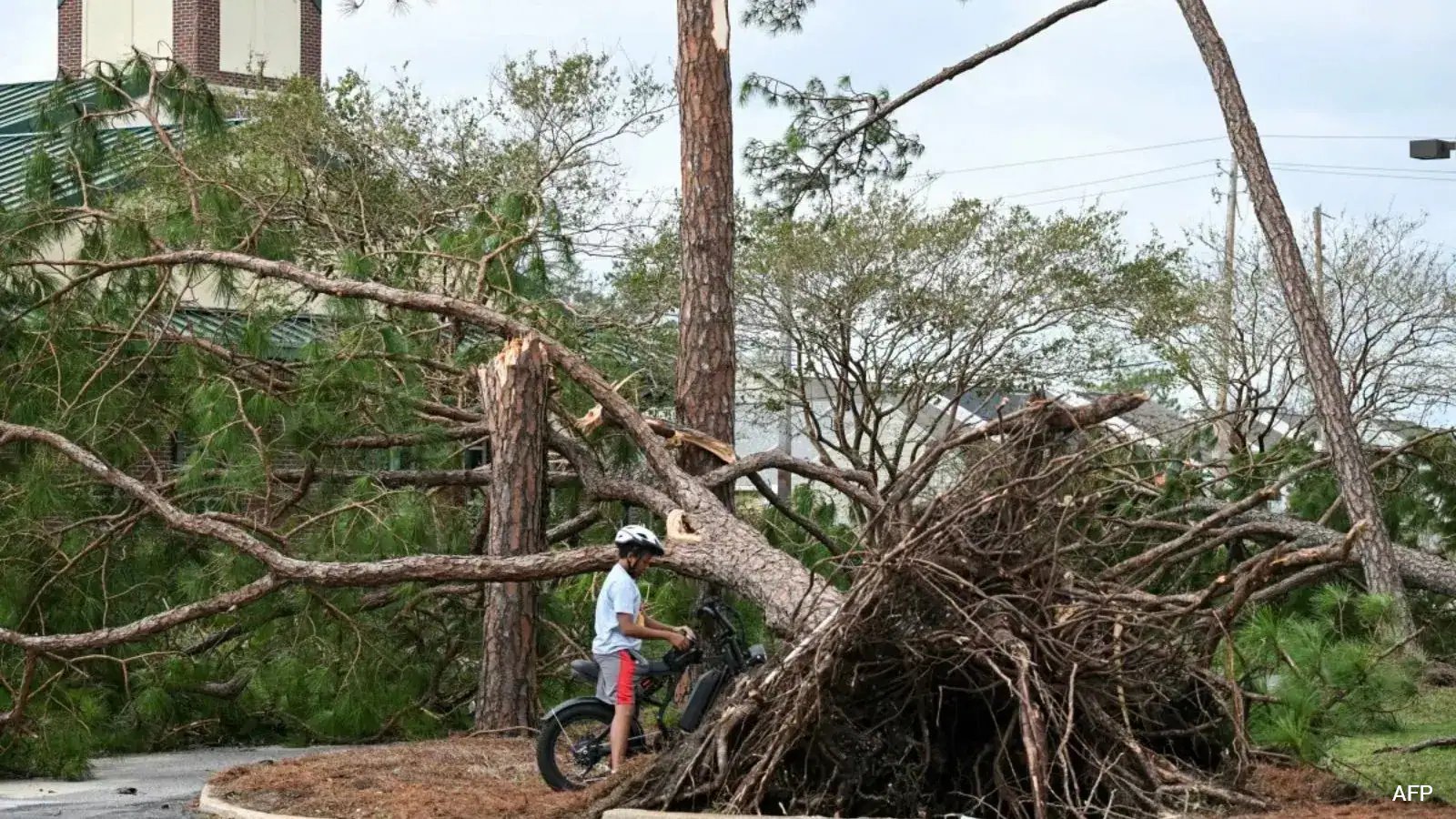
Isaias roared ashore near Destin, Florida, late Friday with sustained winds of 105 miles per hour, the National Hurricane Center confirmed. By Saturday morning, the storm had weakened to a post-tropical cyclone, but its impact remained severe. More than 800,000 customers across Florida, Alabama, and Georgia sat in the dark, according to data from PowerOutage.com. It was the first hurricane to hit the US mainland since 2024.
Two people died in the initial hours. Both victims were struck by falling trees—one near Pensacola, Florida, and the other in Birmingham, Alabama. Florida Governor Ron DeSantis addressed the press on Saturday, noting that officials had prepared for a Category 3 landfall. “We had assets in place that assumed the storm might strengthen rather than weaken,” DeSantis said. “You want to be overprepared.”
The danger has not passed. The NHC warned that the system could dump upwards of 10 inches of rain on the southeast. “Considerable flash flooding and landslides are also possible across the Southern Appalachians,” the center stated. This threat looms large over North Carolina, where residents are still rebuilding after Hurricane Helene devastated the same region in 2024. The timing is brutal for those communities.
Meteorologists point to a historic El Nino event as the reason this season remained quiet for so long. Michael Fischer, a researcher at the University of Miami’s Rosenstiel School, explained that El Nino creates strong vertical wind shear over the Atlantic, which tears storms apart before they can mature. “We have been seeing basically nearly record strong shear throughout the Atlantic Basin this year,” Fischer told AFP. In the Pacific, the same phenomenon weakens shear, allowing storms to grow to Category 5 strength. The contrast is stark.
Recovery crews are already on the ground. In Destin, streets that were deserted during mandatory evacuations are now seeing power line repairs. The next 48 hours will determine the scale of the flooding crisis in the mountain states.