If the EU finalises the ban, Indian automotive plants that depend on scrap aluminium will feel the pinch sooner than they realise—inventory gaps could force higher‑cost primary aluminium use.
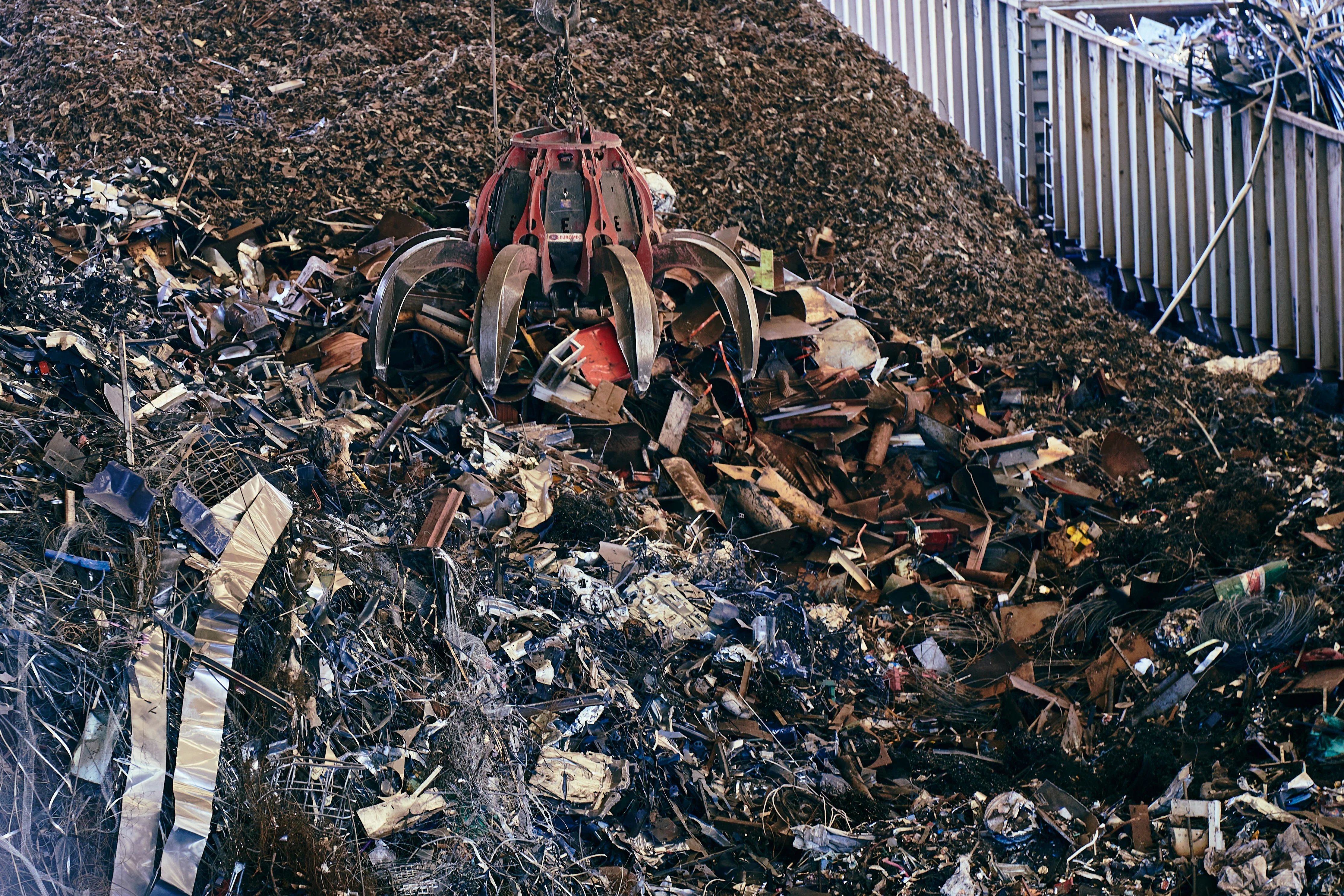
The last reported flow of scrap from the EU to India was 3.66 million tonnes in 2025, making India the EU’s top destination for this material that year. In 2024, the volume was 3.45 million tonnes, a slight dip but still a steady stream that keeps the domestic secondary aluminium chain humming.
The proposal centres on the Waste Shipment Regulation, which demands that non‑OECD countries prove their waste‑management systems are environmentally sound before they can receive exports. India has passed the bar for paper, glass and other non‑hazardous streams but not for metal waste; a multi‑layer audit of Indian recyclers is expected to come in 2027.
The industry’s reaction is already in motion. The Material Recycling Association of India says it will need to clear the audits to keep the current access window open, while automotive manufacturers are scrambling to build domestic scrap‑collection capacity. The timeline for the EU’s adoption of the final list is 21 November 2026, with the ban kicking in on 21 May 2027. Until then, the supply chain remains open, but the next five months are a critical window for India to shore up its recycling network and secure alternative aluminium sources.