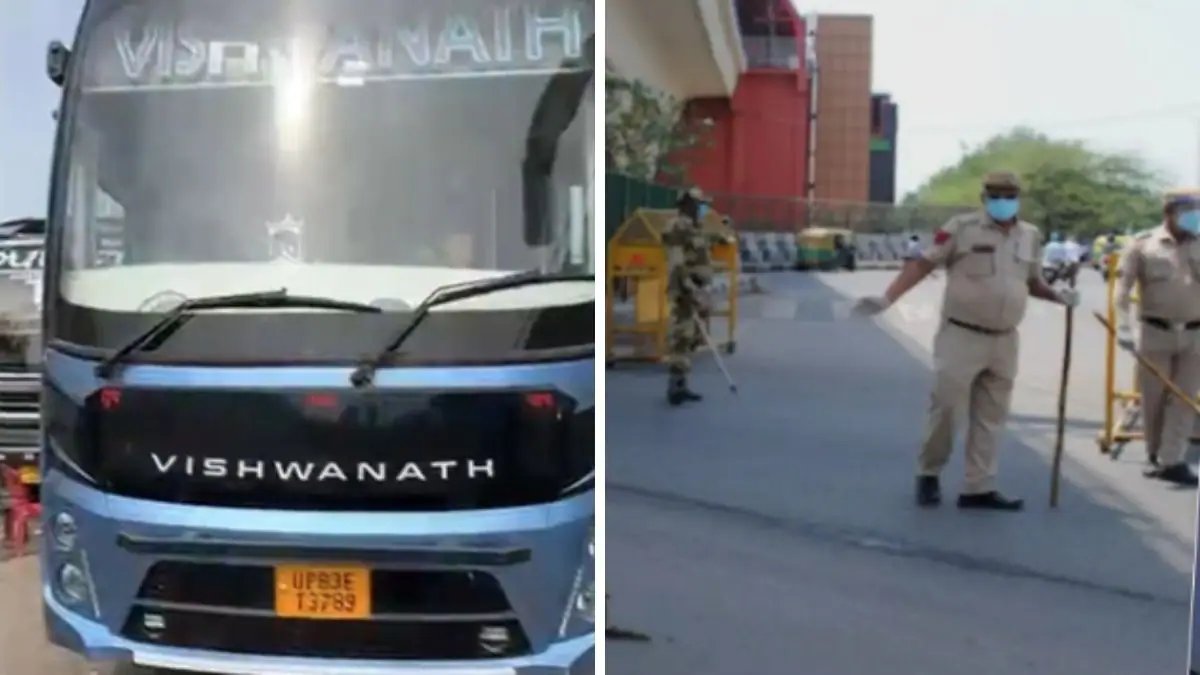
Justice Pardiwala, sitting on a bench that has previously ordered reforms, issued a suo‑motu notice after a series of incidents that mirrored the 2012 Nirbhaya tragedy. The order followed reports of a minor gang‑raped on a sleeper bus, a 17‑year‑old girl attacked by men posing as policemen in a Delhi park, and other assaults that highlighted a systemic failure in policing and public safety.
The bench warned that public spaces such as parks and buses cannot become high‑risk zones due to inadequate lighting, poor surveillance, and a lack of other administrative amenities. "Merely expressing solidarity is not enough," Justice Pardiwala said; he called for accountability mechanisms to be fixed, echoing the judicial tone that defined the Nirbhaya hearings.
In 2012, a 23‑year‑old woman was gang‑raped on a moving bus, died, and sparked nationwide protests that led to amendments expanding the definition of sexual offences and increasing punishments. Six accused were tried, four hanged at Tihar Jail, one juvenile was sent to prison, and one died in custody. The Supreme Court’s reference to the 2012 case grounds its current directive in a historical precedent.
The 17‑year‑old victim, who left home to visit Kalkaji Mandir on her birthday, was assaulted in a park where men had disguised themselves as police officers. Her family’s grief was palpable when they learned that the assailants had exploited the park’s lack of lighting and surveillance. The bench emphasized that such lapses must be rectified to prevent future tragedies.
The court’s directive includes immediate upgrades to CCTV coverage on all public transport, stricter enforcement of lighting standards in parks, and a comprehensive review of police accountability protocols. The order will be followed up by a hearing in the next legislative session to assess implementation progress and to discuss further reforms.