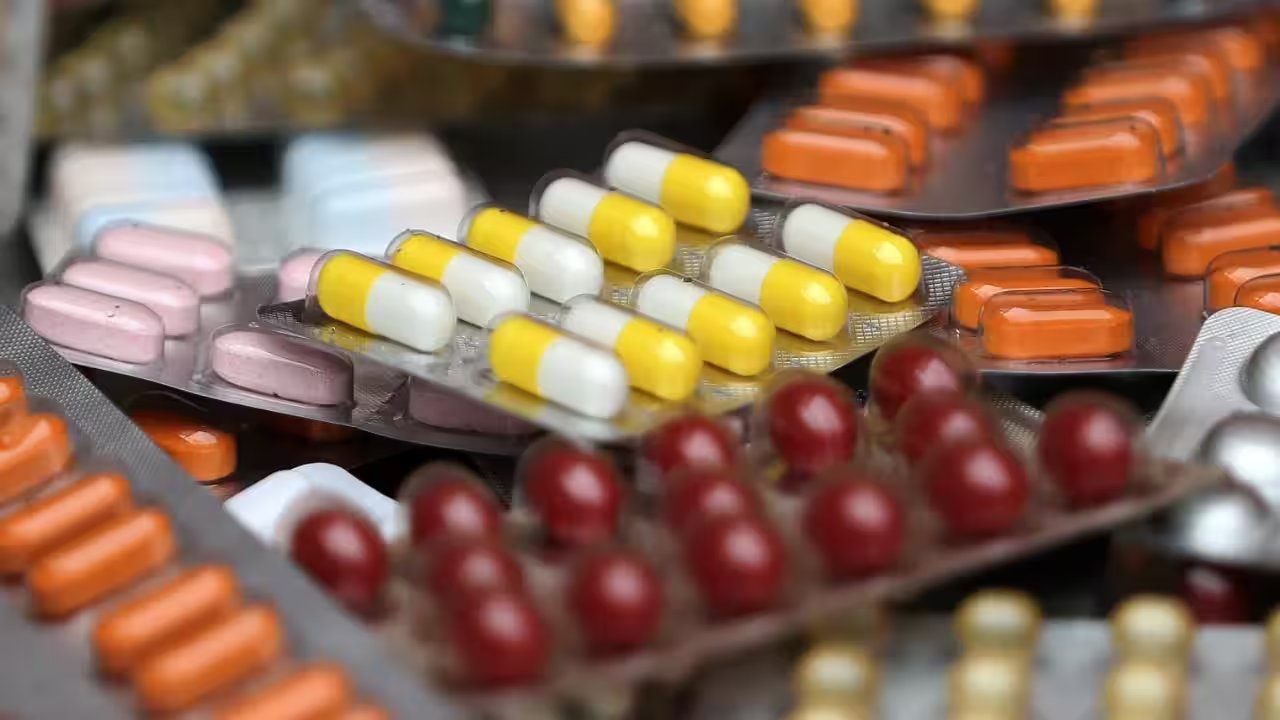
On Oct 17, the Indian government announced a 30 % trade‑margin cap on 137 cancer drugs, covering more than 1,000 brands across the country.
The directive, which applies to the entire supply chain from manufacturers to distributors to hospitals, mirrors a 2017 stent‑price cap that saw private chains hike angioplasty package rates.
Girdhar Gyani, director‑general of the Association of Healthcare Providers, warned that the cap is a margin, not a profit, and must be communicated clearly across all stages. Mayur Sirdesai, co‑founder of Somerset Indus Capital, added that affordability requires scrutiny of the whole cancer‑care pathway, not just drug prices.
Sudarshan Jain of the Indian Pharmaceutical Alliance said the change will need evaluation against real‑world patient costs, while KM Gopakumar of Third World Network cautioned that hospitals could raise consumables, diagnostics, or procedural fees to compensate.
BSE stocks of major hospital chains slipped after the notification, reflecting market anxiety over the impact on revenue streams.
The most expensive drugs—pertuzumab‑trastuzumab, atezolizumab, teclistamab, inotuzumab ozogamicin, daratumumab—reach up to ₹5 lakh per vial, meaning even a 30 % margin cap leaves patients facing steep out‑of‑pocket expenses.
Implementation will begin immediately, with the Ministry of Health slated to monitor compliance over the next six months and review the policy after a year.