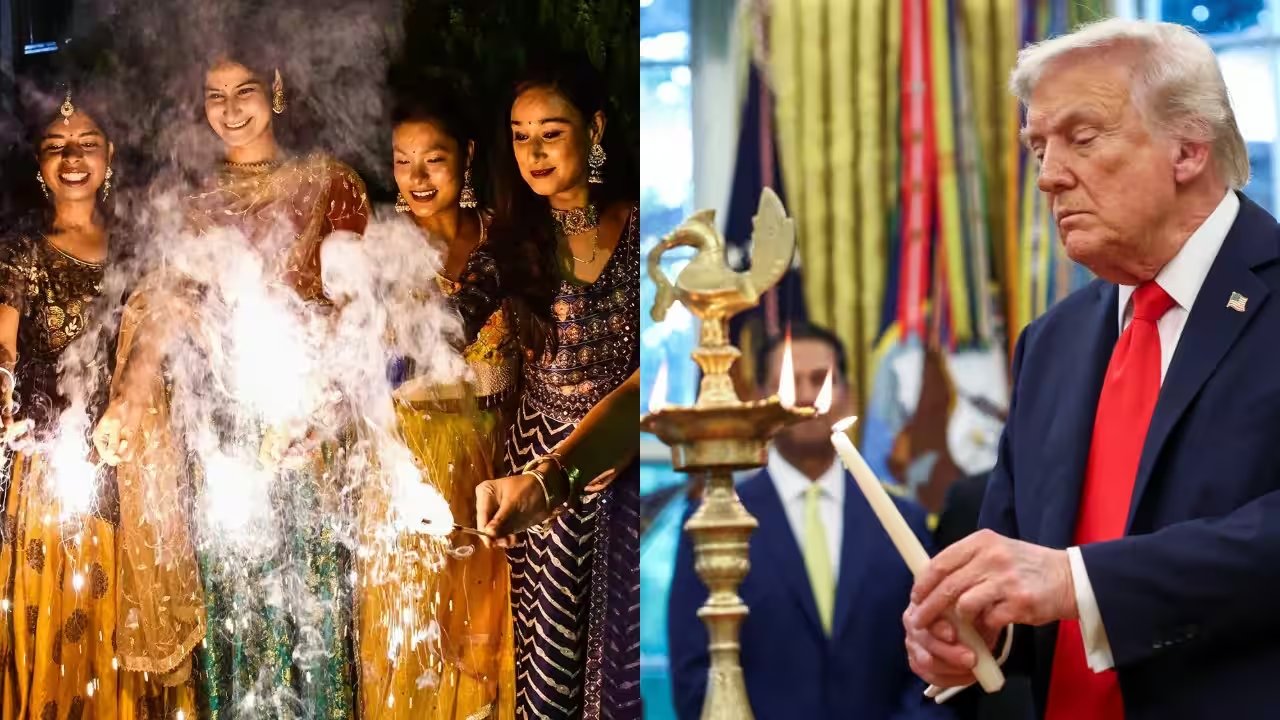
WASHINGTON — Nineteen members of the US House of Representatives have mounted a renewed legislative push to establish Diwali as an official federal holiday across the United States.
Led by Congresswoman Grace Meng, chair of the Congressional Asian Pacific American Caucus, the Diwali Day Act would grant the festival of lights full statutory recognition—making it the 12th federally recognized holiday on the American calendar. Five Indian-American lawmakers have thrown their weight behind the measure: Representatives Raja Krishnamoorthi, Ro Khanna, Ami Bera, Shri Thanedar, and Suhas Subramanyam.
The math is straightforward. But the cultural stakes run deep.
Should Congress clear the bill, federal workers would receive a designated paid day off, cementing a religious observance celebrated by billions of Hindus, Sikhs, Jains, and Buddhists globally into the bedrock of American civil law. Meng previously authored the Lunar New Year Day Act under a similar push to broaden the national commemorative calendar.
"My Diwali Day Act will help educate Americans about the importance of this day, and I will continue working to create a more inclusive nation that honours the rich cultural traditions of its people," Meng said in an official statement outlining the measure.
Yet the legislative offensive is not merely ceremonial. It arrives against a documented spike in hostility, intimidation, and physical attacks directed at South Asian religious communities across the country.
CAPAC officials pointed to concrete acts of violence to justify federal intervention. Among them: an attempted mass shooting during Navratri celebrations at a Hindu temple in Illinois, repeated acts of vandalism at places of worship, and a recent racist disruption targeting a public Diwali gathering in Washington State. Federal recognition, lawmakers argue, sends an unmistakable signal that these communities operate under the full protection and acknowledgement of the state.
"Diwali represents the triumph of good over evil and knowledge over ignorance," Meng stated, emphasizing that formal holiday status counters rising anti-Hindu and anti-South Asian animus by affirming that adherents are valued members of American civic society.