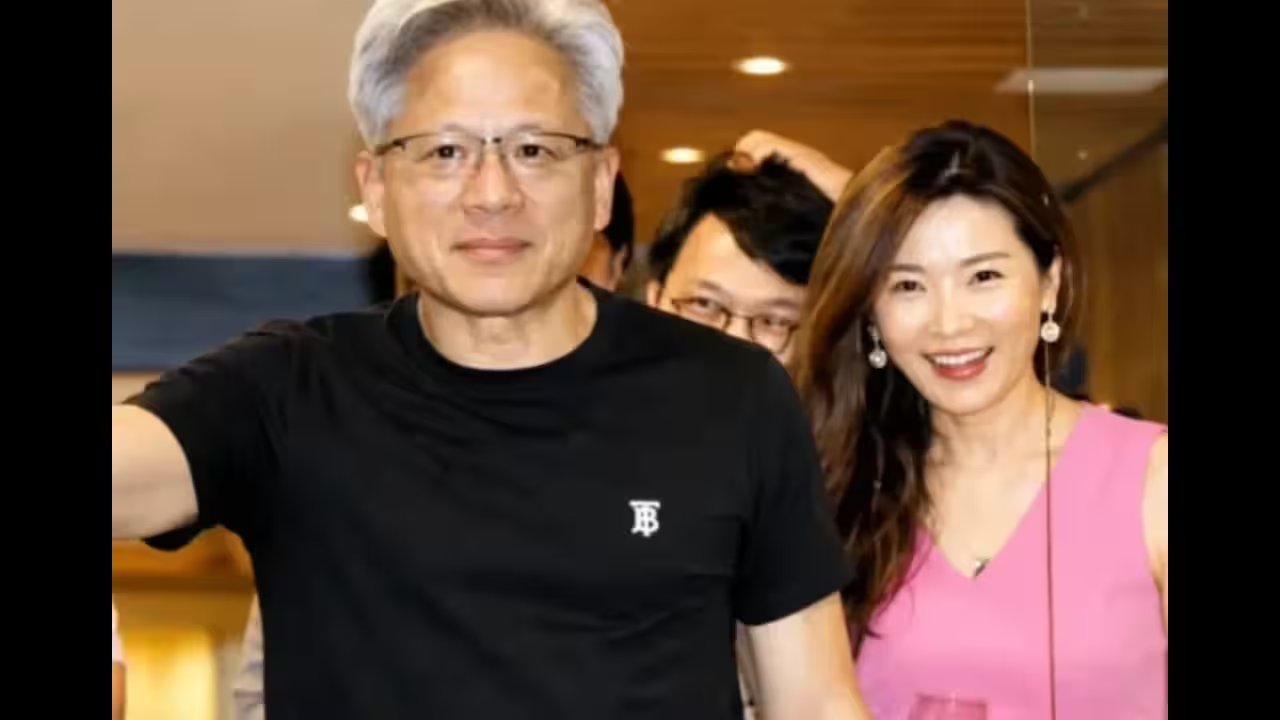
An alleged Chinese intelligence operative linked to Nvidia Chief Executive Jensen Huang pitched a hundreds-of-millions-of-dollars artificial intelligence venture to investors, promising guaranteed access to cutting-edge American semiconductors.
She dropped names. She flaunted connections.
Targeting private capital in early 2025, former Singapore-based cloud executive Alice Huang and business partner Kang Wei pushed a plan to build large-scale data centres across Southeast Asia. During direct presentations to prospective backers, the pair claimed they faced no hurdles securing Nvidia graphics processing units — the world's most sought-after computing silicon — and highlighted Chinese technology conglomerate Alibaba as an anchor client for the planned facilities.
The pitch cuts to the center of Washington's intensifying national security crisis over microchip smuggling. Under United States export controls, Chinese firms cannot purchase or own advanced artificial intelligence processors, though cross-border computing lease arrangements have created persistent regulatory friction. Corporate records from 2024 reveal that Alibaba subsidiaries previously extended debt financing to Megaspeed, where Alice Huang served as an executive, with the Chinese e-commerce giant operating as Megaspeed’s primary corporate client.
The venture emerged as United States intelligence agencies tracked Alice Huang's connections to a suspected Beijing-directed influence operation. Investigators suspect handlers tasked her with cultivating a personal tie with Jensen Huang to map his corporate circle and soften Nvidia's stance on White House semiconductor embargoes.
Jensen Huang confirmed an extramarital affair and issued a public apology to his family.
Nvidia’s independent directors swiftly commissioned an internal inquiry to determine whether foreign operatives compromised corporate channels or targeted executive leadership. The semiconductor titan maintained it has uncovered no evidence showing breaches of confidential trade data or national security compromises.
Beijing rejected the espionage charges as groundless, while Megaspeed executives dismissed all accusations of illicit chip diversion. Still, federal authorities and Nvidia’s independent audit committee continue reviewing third-party infrastructure partnerships across Southeast Asia to enforce chip containment boundaries before new offshore server clusters activate.