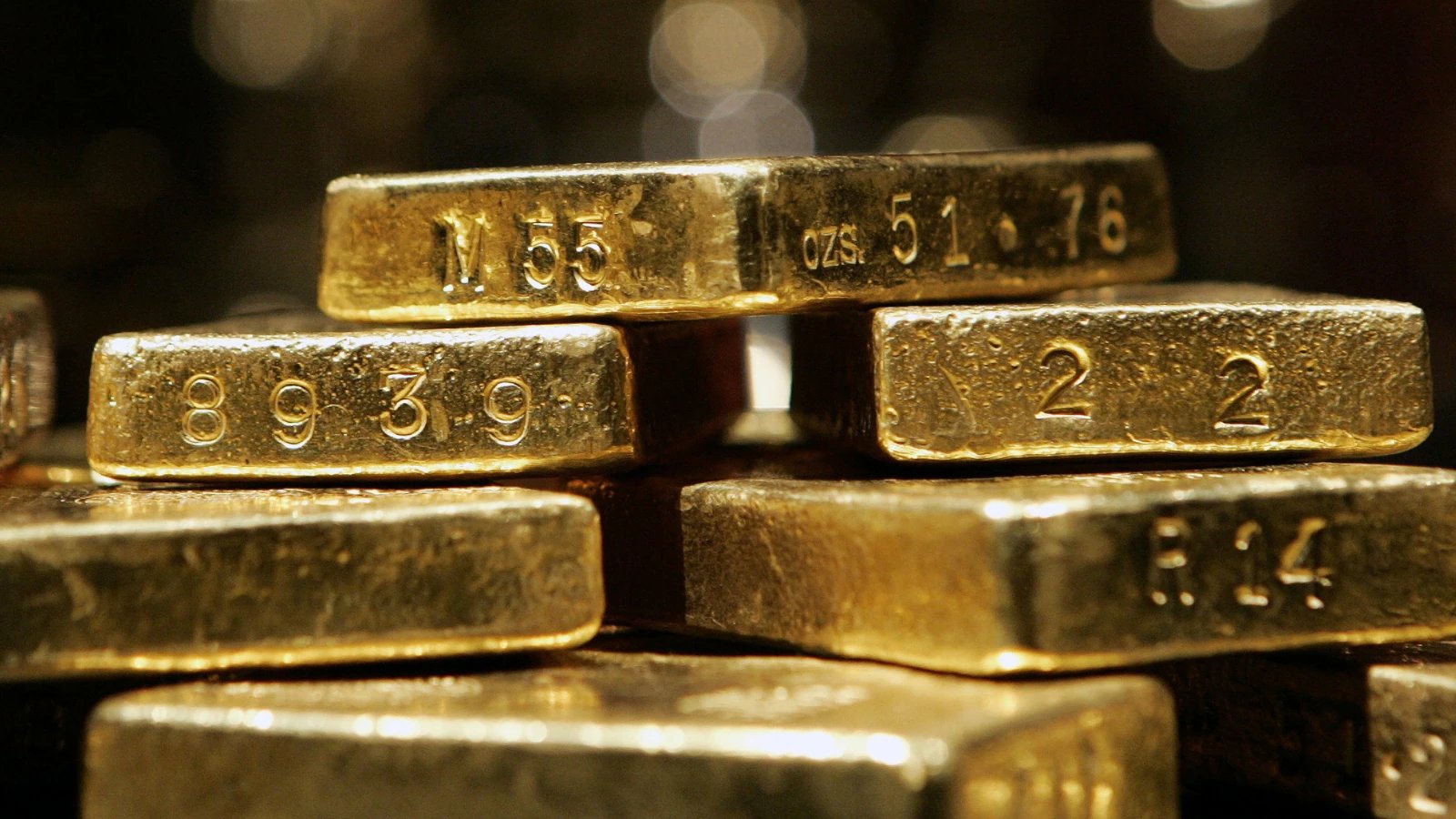
Dhanteras brought parity, not panic. Despite gold hovering near record highs, domestic jewellery sales held flat against last year's benchmarks across India, propelled by a sharp consumer preference for wearable ornaments over investment coins.
The coin rally stalled. Buyers wanted finished jewellery instead—even if that meant opting for lighter, lower-ticket designs. According to Avinash Gupta, Vice Chairman of the All India Gem and Jewellery Domestic Council (GJC), the steady turnover marks a decisive operational recovery after months of sluggish consumer activity. Easing geopolitical friction should provide a steadier floor for retail sentiment heading into the winter. "The Dhanteras sales were almost the same as last year," Gupta said. "That has brought a lot of cheer."
The trade shifted its internal plumbing to survive bullion inflation:
| Metric | Dhanteras Trend | Market Driver |
|---|---|---|
| Product Preference | Jewellery Outperformed Coins | Consumer shift to wearable ornaments |
| Scrap Gold Exchanges | Climbed to 60%–65% of Total Sales | High spot prices driving trade-ins |
| Silver Demand | Steady Volume Expansion | Budget-conscious gifting & articles |
| Metal Composition | 18-Carat Gaining Rapid Share | Price sensitivity in diamond & studded lines |
Customers cracked the affordability problem through their lockers. Exchange sales shot up to between 60% and 65% of all gold transactions during the festive window, according to council data. Households brought in damaged bangles, outdated chains, and scrap bars to swap directly for new designs.
The swap frenzy served as a macroeconomic relief valve. When consumers trade existing domestic gold, retailers require fewer fresh import consignments to service festive footfalls. That softens the traditional festive spike in India's bullion import bill. Yet Gupta emphasized that this heavy reliance on scrap will taper off once marriage ceremonies begin, as families traditionally allocate fresh capital to bridal trousseaus rather than recycling old family assets.
Budget arithmetic is also altering purity standards at the counter. Higher price points pushed 18-carat gold into mainstream acceptance across urban centers. While 22-carat gold remains the undisputed benchmark for traditional bridal suites, younger buyers have embraced 18-carat pieces to absorb studded diamond work without breaking spending limits. Gupta noted that while ultra-low 9-carat gold is testing the diamond jewellery segment, plain gold buyers continue to reject it.
The industry now turns its sights to the winter wedding corridor. With Dhanteras proving that consumer appetite survives elevated bullion rates, jewellers are stocking display cases for a bridal cycle they expect will convert festive window-shopping into outright volume expansion.