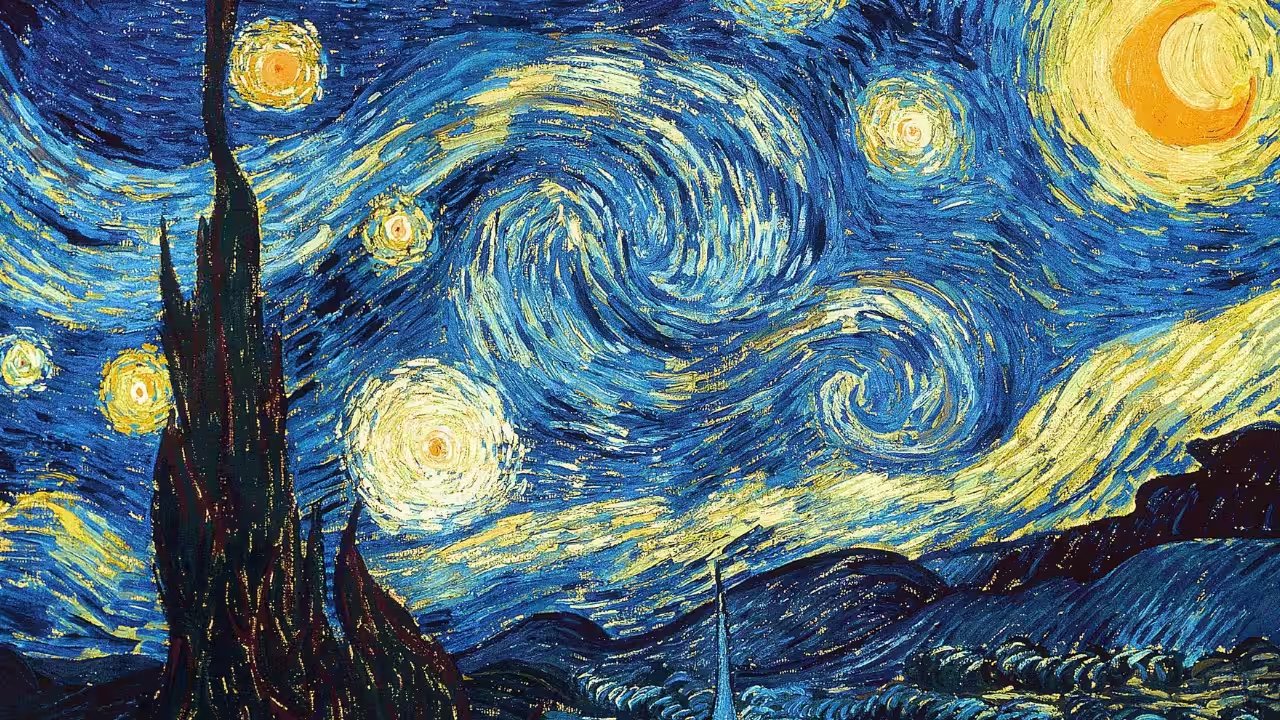
Stop trying to smooth out every ripple in your emotional life. Van Gogh, the man behind The Starry Night, argued that the human heart is essentially an ocean: it has violent storms, unpredictable tides, and—crucially—pearls in its depths. He wasn’t just being poetic; he was describing a biological and psychological reality that many of us ignore until we’re drowning.
The "storms" are your acute emotional spikes. That sudden wave of grief after a breakup, the spike of anxiety before a big presentation, or the anger that rises when a boundary is crossed. These are not signs that you are broken; they are signs that you are alive and reacting to stimuli. Just like the sea, your emotions don’t ask permission to crash. Trying to suppress them is like trying to hold back the tide with your bare hands—it only leads to a more violent break later.
Then there are the "tides." These are the slower, rhythmic shifts in your mood. Some weeks you feel buoyant and creative; others, you feel heavy and withdrawn. Recognizing these cycles is key. If you know you are in a low-tide phase, you don’t panic. You adjust. You rest. You let the water recede. This isn’t passivity; it’s strategic emotional pacing.
But here is the part most people miss. Van Gogh said the pearls are in the depths. Pearls don’t form in calm, shallow waters. They form when an oyster is irritated by a grain of sand, forcing it to layer nacre over the irritant until it becomes something valuable. Your pain, your failures, and your struggles are the sand. The wisdom, empathy, and resilience you build by processing that pain are the pearl. If you never encounter the irritant, you never create the depth.
So, next time you feel overwhelmed, don’t just white-knuckle it. Acknowledge the storm. Wait out the tide. And look for the pearl. What is the one skill or lesson you gained from your last major emotional setback? That’s your pearl. Keep it close.