India’s Permanent Mission to the United Nations, represented by First Secretary Anuj Swarup, warned the UN’s human rights mechanisms to avoid politicisation and selectivity amid the 81st session of the General Assembly’s Third Committee. He called on the UN to act as an impartial moral compass, stressing that human rights must advance for all without cultural or historical bias.
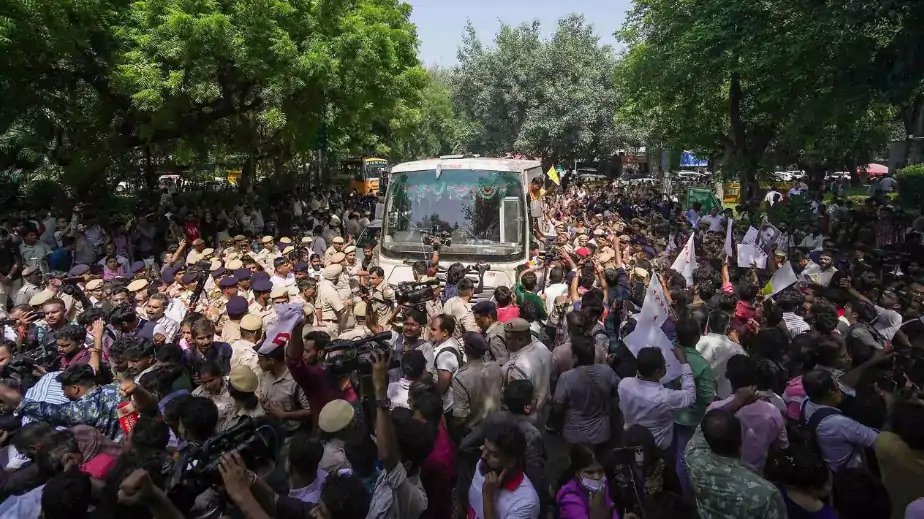
The Office of the United Nations High Commissioner for Human Rights had earlier expressed concern over "reports of mass detentions of demonstrators, protest leaders, members of civil society organisations, lawyers and journalists" during large‑scale demonstrations in Delhi. Those allegations prompted the UN to issue a statement urging accountability and the release of detainees.
India rebuked the UN’s remarks as "unwarranted" and "unacceptable interference" in its internal affairs, insisting that the country’s approach to human rights is rooted in a civilizational ethos of pluralism and peaceful coexistence. It highlighted that, as the world’s largest democracy, India remains committed to ensuring dignity for every citizen.
In support of its stance, the mission cited data showing that over 250 million Indians have been lifted out of multidimensional poverty in the last decade, with the social protection system reaching more than one billion people. Free food grains for 800 million citizens, free health cover for 600 million, and 320 million bank accounts opened for women underscore India’s people‑centric development model.
The UN Human Rights Office has pledged to respond by 30 September 2024, and both sides have agreed to meet again to discuss the next steps, with the High Commissioner expected to engage directly with Swarup to clarify the UN’s position and address India’s concerns.