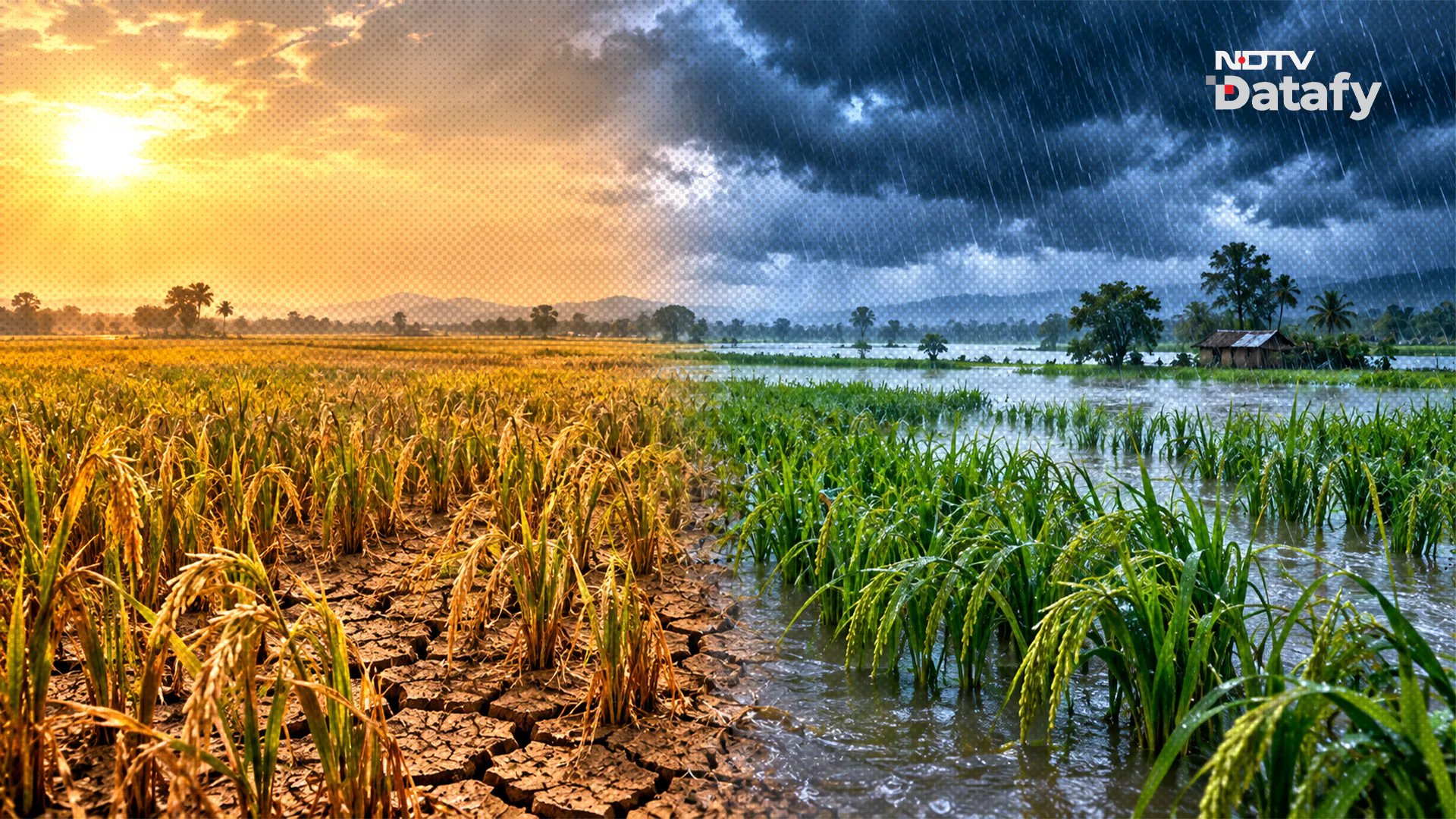
Cyclone Arnab slammed the eastern plain last weekend, unleashing more than 400 mm of rain in just 48 hours and sending floodwaters up to 3 m deep across paddy fields.
According to the India Meteorological Department, 26 of Uttar Pradesh's 75 districts received rainfall at least twice the seasonal average between September 25 and 28, 2026. Earlier in the monsoon, the state had battled persistent deficits, with 13 of 16 weeks since June's first week falling short of normal.
Bihar, already grappling with drought, saw 31 of its 38 districts suffer from rain shortages up to September 23. The cyclone, however, turned the tide in four districts, delivering nearly four times the normal rainfall and submerging mature crops.
Dr Daya S Srivastava warned that waterlogging could spoil straw, degrade grain quality, and invite fungal infections that will slash yields. She added that delayed harvests might push back rabi sowing, unsettling the entire food‑security calendar.
State disaster response teams have launched damage surveys and will decide on compensation packages for farmers. Meanwhile, the Ministry of Agriculture is reviewing support measures to cushion the impact on the national rice supply.