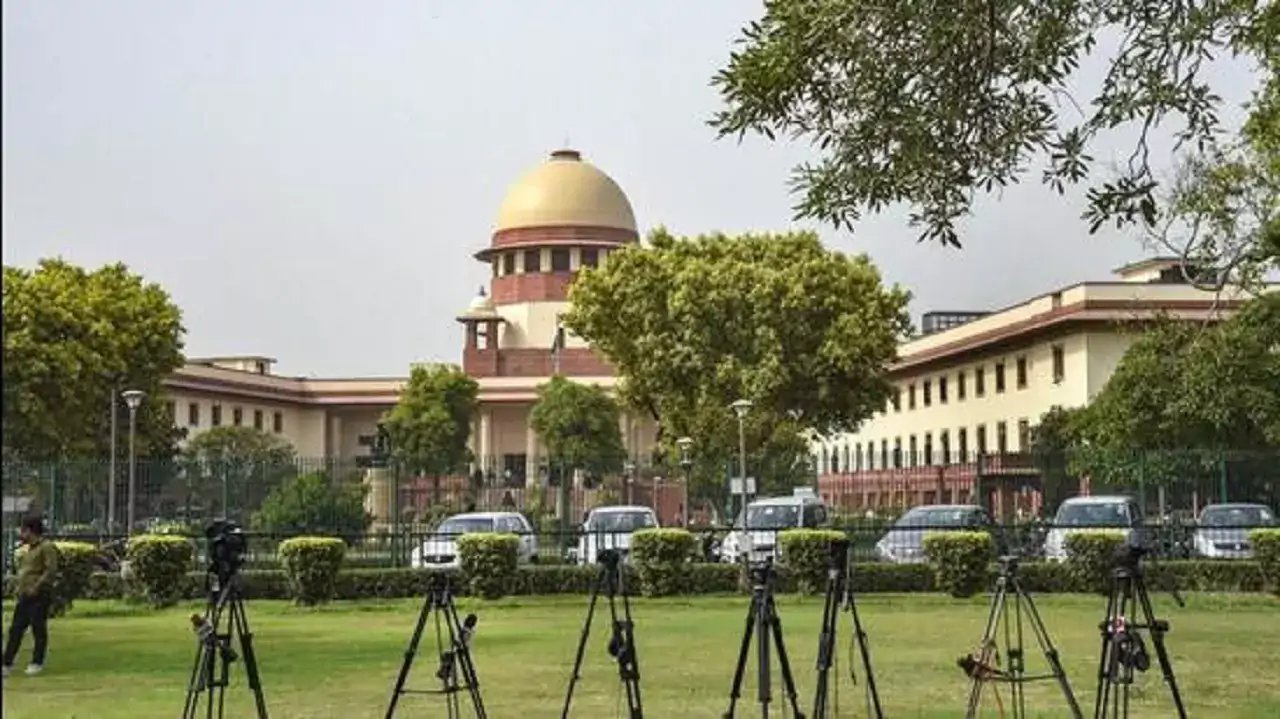
Jaya Thakur, a senior election law advocate, filed a petition with the Supreme Court after learning that Justice Satish Chandra Sharma’s son, Siddharth Sharma, had been standing counsel for the Election Commission of India in the Madhya Pradesh High Court since July 10, 2024. The petition alleges a reasonable apprehension of bias, arguing that the son’s representation of the poll body undermines the impartiality required for Justice Sharma to sit on the bench that delivered the split verdict on September 23.
The split verdict itself was rendered by a two‑judge bench comprising Justice Dipankar Datta and Justice Satish Chandra Sharma. They held that, because of their differing views, the matter should be referred up to the Chief Justice of India for the constitution of an appropriate larger bench. The bench had earlier requested that a permanent five‑judge Constitution bench be set up to adjudicate seminal issues such as the appointment of the Chief Election Commissioner and other Election Commissioners.
The underlying law at issue, the Chief Election Commissioner and Other Election Commissioners (Appointment, Conditions of Service and Term of Office) Act, 2023, was enacted in December 2023 to remove the Chief Justice of India from the selection panel for these appointments. It followed a landmark March 2, 2023 decision that the President must appoint the CEC and ECs on the advice of a committee made up of the Prime Minister, the Leader of the Opposition in the Lok Sabha and the Chief Justice of India.
The petition’s timing is notable; it was filed only after media reports on September 25 surfaced, revealing Siddharth Sharma’s role before the Madhya Pradesh High Court. Thakur’s lawyers argue that the discovery of this connection after the verdict was announced indicates a conflict of interest that could compromise the court’s judgment.
The Supreme Court’s next move is now set: Chief Justice Surya Kant has been tasked with constituting a larger bench to review the split verdict. If the larger bench accepts the petition, the original split decision on the 2023 law will be re‑examined, potentially reshaping the appointment process for the Election Commission.
Meanwhile, the Election Commission has expressed concern that any delay or reversal could destabilize the entire electoral machinery, while opposition parties are urging the court to act swiftly to preserve judicial independence.
The case underscores the delicate balance between judicial propriety and the political ramifications of appointment laws, a balance the Supreme Court is now called upon to recalibrate.
The forthcoming hearing will determine whether the court will uphold the split verdict or order a fresh examination of the law’s constitutionality.