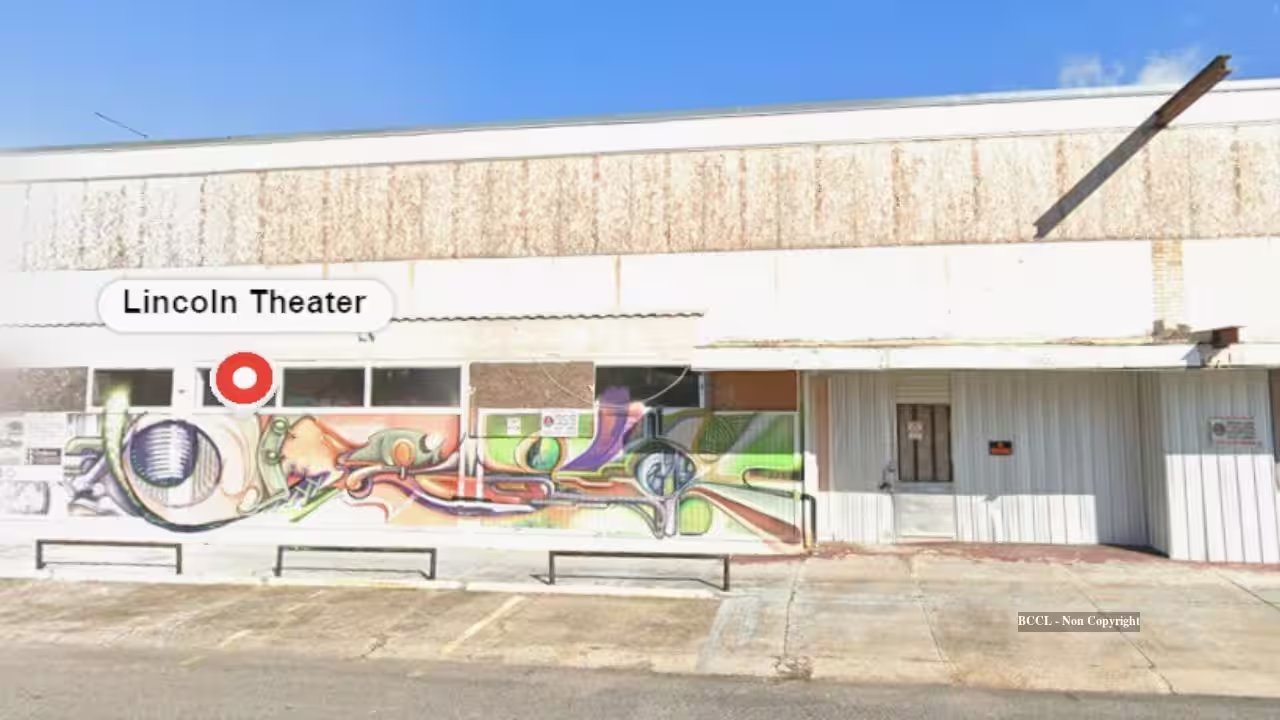
When the neon marquee flickers into life on 1305 Myrtle Walk, you'll feel the echo of James Brown's swagger and Louis Armstrong's trumpet. The Lincoln Theater, which first opened in 1949 as a beacon for a thriving Black community in South Baton Rouge, has been a stage for legends and a crucible for civil rights action. Its walls have seen movie premieres, barbershop gossip, a deli’s aroma, and the fierce debate of the 1953 bus boycott – a turning point that rippled into the Birmingham campaign. It's not just a building; it's a living archive of rhythm, resistance, and community pulse.
After a decade of painstaking work and a $4 million haul, the theater’s soul has been reborn. Volunteers, led by founder Brenda Perry Dunn, fought budget hikes, construction delays, and the temptation to modernise too far. The result? A restored auditorium with a 17‑foot, terrazzo‑clad entryway, stage curtains embroidered with the original "L", and crimson seats that whisper old‑world glamour. New windows, matched to the originals, let the sunlight spill across the preserved terrazzo floor, while a fresh green room and a two‑storey museum await curious minds.
On Oct. 29, the ribbon‑cutting will kick off a one‑hour open house from 5:30 pm to 7 pm, celebrating the 77th anniversary. Attendees can stroll the expanded east wing, peek at the Louisiana Black History Hall of Fame Museum’s rotating kiosks, and catch a sneak peek of upcoming programs by UpStage Theatre—think staged productions, indie films, and youth workshops. The event is slated as a cultural bonanza, promising to turn the historic space into a hub for art, education, and community engagement.
For longtime residents, the reopening feels like a phoenix. Former state rep Patricia Haynes Smith, who grew up in the neighborhood and watched movies under the theater's marquee, said the revival is "a reminder that our stories matter." The Lincoln Theater is more than a venue; it's a testament to resilience and a portal for future generations to hear the echoes of jazz, civil‑rights speeches, and the laughter that once filled its seats.