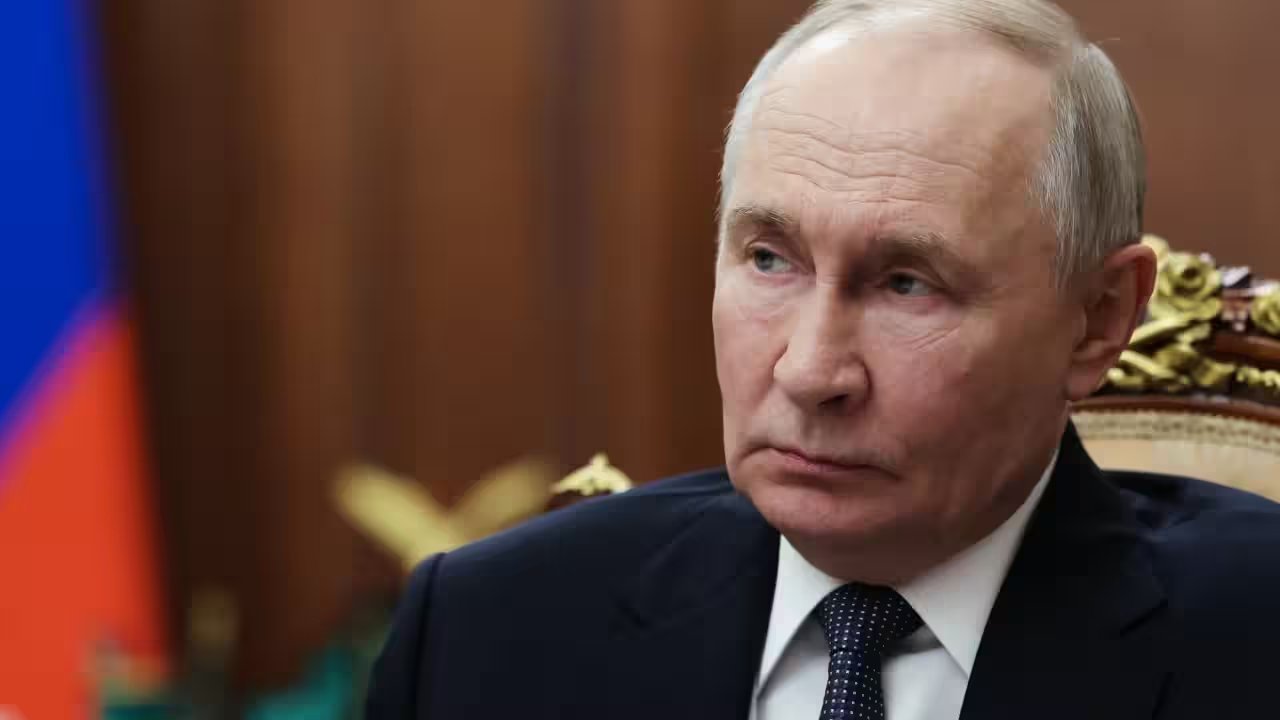
British Prime Minister Andy Burnham issued a blunt "No" to The Economist on Thursday, confirming he will not extend an invitation to Russian President Vladimir Putin for the 2027 G20 summit in Manchester. The decision closes the door on a high-profile diplomatic meeting in a city where Burnham previously served as mayor, signaling a firm British stance against engaging the Kremlin at the highest level.
The refusal lands hard against the backdrop of recent US diplomacy. In September, US Secretary of State Marco Rubio announced that Washington had invited Putin to the G20 in Miami in December, framing it as an opportunity for the Russian leader to engage directly with President Donald Trump on a Ukraine peace plan. Moscow has "truly" appreciated the overture but has yet to confirm attendance. This divergence has thrown a wrench into transatlantic coordination, with European leaders already bracing for the political fallout of normalizing relations with Russia.
Criticism from European counterparts has been sharp. Polish Prime Minister Donald Tusk warned that such an invitation risks being interpreted by Moscow as "encouragement to continue its aggressive policies." Kaja Kallas, the EU’s foreign policy chief, called the treatment of Putin "really very, very hard to understand." These reactions reflect a broader anxiety in Europe, where governments have been ramping up military spending since Russia’s full-scale invasion of Ukraine in 2022.
Putin has not physically attended a G20 leaders' summit since the 2022 invasion. Russia, still a formal member of the group, has sent Foreign Minister Sergey Lavrov or other officials in his place. His absences are compounded by the 2023 International Criminal Court arrest warrant for war crimes, specifically regarding the unlawful deportation of Ukrainian children. This warrant effectively bars him from traveling to any country party to the Rome Statute, including the UK.
The 2027 Manchester summit will now proceed without the Russian head of state, mirroring the exclusion seen in the G7 format since 2014. With the US pushing for dialogue and Europe pushing for isolation, the G20 platform remains a flashpoint for the West’s fractured response to the Russia-Ukraine war. The next critical test comes in December, when the US determines whether Putin’s attendance in Miami will materialize or remain a hollow diplomatic gesture.