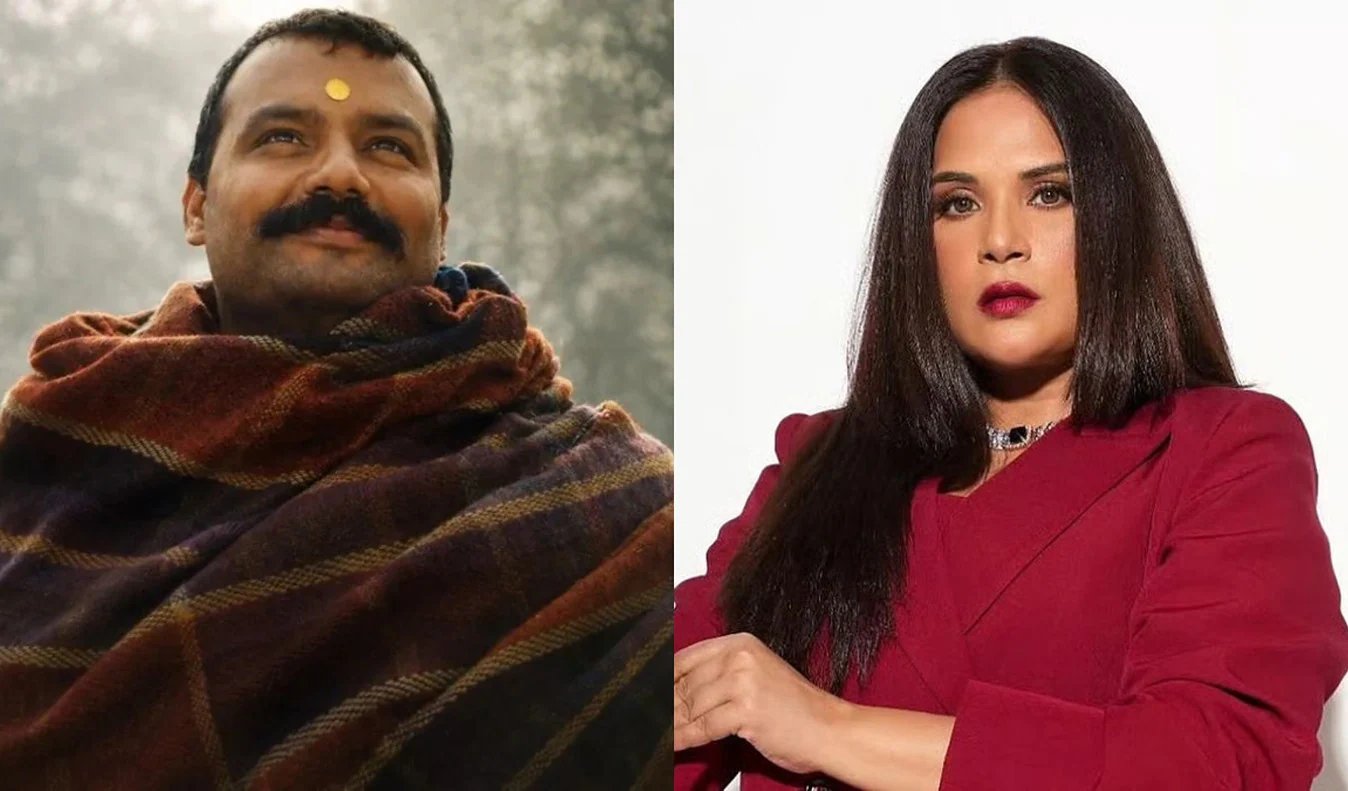
Richa Chadha isn’t here to pat anyone on the back. In a recent chat with Zoom, she shot down the growing narrative that 2026 is the year Indian audiences finally woke up to 'content' over star power. Her reasoning is blunt: the numbers look good, but the reason is narrower than critics think. "No, 2026 is not a landmark year for content," she stated directly. To Chadha, the windfall for Hanuman Ansh is a separate beast entirely, driven by a specific cultural appetite rather than a broad industry revolution.
The confusion often stems from poor comparisons. Chadha pointed out that using Hollywood’s Obsession as a yardstick for Indian cinema is a category error. The two ecosystems operate on fundamentally different frequencies. "Mythological stuff relatively does well," she explained, noting that religious or mythological stories are "safe for everyone to see." In her words, "Yeh toh log dekhte hi hain"—people just watch it. It’s a comfort food for the masses, not necessarily a signal that audiences are ready to embrace every niche script that comes their way.
So what’s the actual recipe for change? Chadha skips the vague platitudes about "better marketing" or "star power". She points straight at the source: the page. "I feel better scripts and money for writers could lead us to the phase where content-driven cinema takes the lead," she said. It’s a simple economic truth. If writers are paid less, the scripts suffer. If scripts suffer, the content is weak. Until the money moves toward the pen, the screen will keep showing us what we expect, not what we might want.
The financial reality behind her point is staggering. Hanuman Ansh, written, directed, and produced by Vishal Chaturvedi, was made on a reported budget of just ₹2 crore. It has now crossed ₹423 crore worldwide. That’s a 210x return. The film, which traces the life of Neem Karoli Baba (played by debutant Shobhinaw Satyaa), is still pulling crowds two months after release. But as Chadha sees it, that’s a miracle of specific appeal, not a market-wide trend. The industry is watching, but she’s asking them to look closer at why.