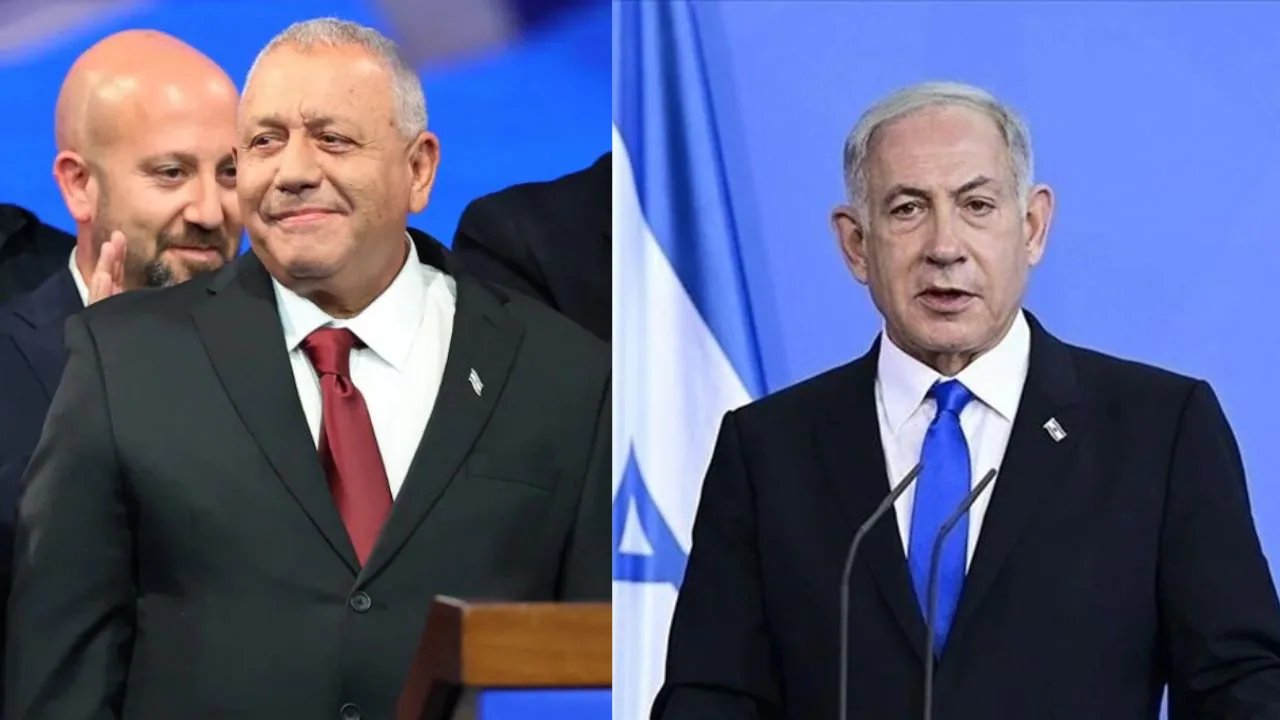
President Isaac Herzog formally tasked Yashar party leader Gadi Eisenkot with assembling Israel's next government, handing the former military chief a strict 28-day deadline to resolve a fractured parliament.
Eisenkot entered the negotiations armed with endorsements from 67 lawmakers following the inconclusive October 27 election, comfortably clearing the 46 recommendations secured by Benjamin Netanyahu. The mandate hands the retired general his first direct shot at the premiership. But endorsements do not guarantee a cabinet. Translating paper recommendations into 61 voting seats inside the 120-member Knesset will test whether a sprawling, ideologically combative opposition bloc can actually govern together.
The math is punishing. Eisenkot commands an anti-Netanyahu core of just 48 seats: his own Yashar party holds 21, Together controls 12, The Democrats hold eight, and Avigdor Liberman's Yisrael Beiteinu brings seven. Reaching the statutory threshold of 61 requires him to secure outside backing from either the 19 lawmakers across the two Arab parties—the Joint List and Ra'am—or pry religious factions away from the right.
| Parliamentary Faction | Seats Won | Stated Position on Mandate |
|---|---|---|
| Yashar (Gadi Eisenkot) | 21 | Bloc Leader / Mandate Holder |
| Together | 12 | Backs Eisenkot |
| The Joint List | 11 | Anti-Netanyahu Bloc (Outside Backing) |
| The Democrats | 8 | Backs Eisenkot |
| Ra'am | 8 | Anti-Netanyahu Bloc (Outside Backing) |
| Yisrael Beiteinu (Avigdor Liberman) | 7 | Backs Eisenkot (Rejects Arab Coalition) |
| United Torah Judaism (UTJ) | 7 | Non-Aligned / Uncommitted |
| Shas | 6 | Right-Wing Bloc (Dismisses Defection) |
| Likud & Allied Right | 46 | Backs Benjamin Netanyahu |
Liberman remains the immediate bottleneck. The hawkish secularist has long refused to sit in any formal cabinet dependent on Arab lawmakers, yet the Joint List’s 11 seats and Ra’am’s eight provide Eisenkot his mathematically cleanest route to 61. Negotiators are now exploring an outside confidence-and-supply pact, where Arab legislators endorse the government on confidence motions from cross-benches without taking ministries. Netanyahu has already pounced, branding any administration relying on Arab votes a direct hazard to national security.
And then there are the ultra-Orthodox factions. United Torah Judaism, holding seven seats, pointedly refused to endorse Netanyahu or Eisenkot, transforming its leadership into kingmakers. In an unexpected olive branch, Liberman signaled potential flexibility on mandatory military draft exemptions for yeshiva students if it locks Netanyahu out of power. Shas commands another six seats, but its leadership publicly poured cold water on any pact with the center-left. Reconciling Eisenkot’s campaign pledge of universal military conscription with religious exemptions will demand intense ideological gymnastics.
Netanyahu is not waiting passively. The former prime minister pressed for a broad national unity cabinet anchored by his existing right-wing and religious partners, an arrangement Eisenkot flatly rejected. Eisenkot insisted that officials in charge during the October 7, 2023 attacks bear ultimate responsibility and must exit public life. Yashar negotiators have privately signaled they would accept Likud as a partner only if the party ousts Netanyahu and cuts ties with its far-right flank. Likud shows zero appetite for such a purge.
The clock is running. Under Basic Law: The Government, President Herzog can grant Eisenkot a single 14-day extension if talks drag past the initial four weeks. If Eisenkot fails by Day 42, Herzog will reassign the mandate to another lawmaker—likely Netanyahu—or throw the Knesset into dissolution, triggering fresh general elections in early 2027.