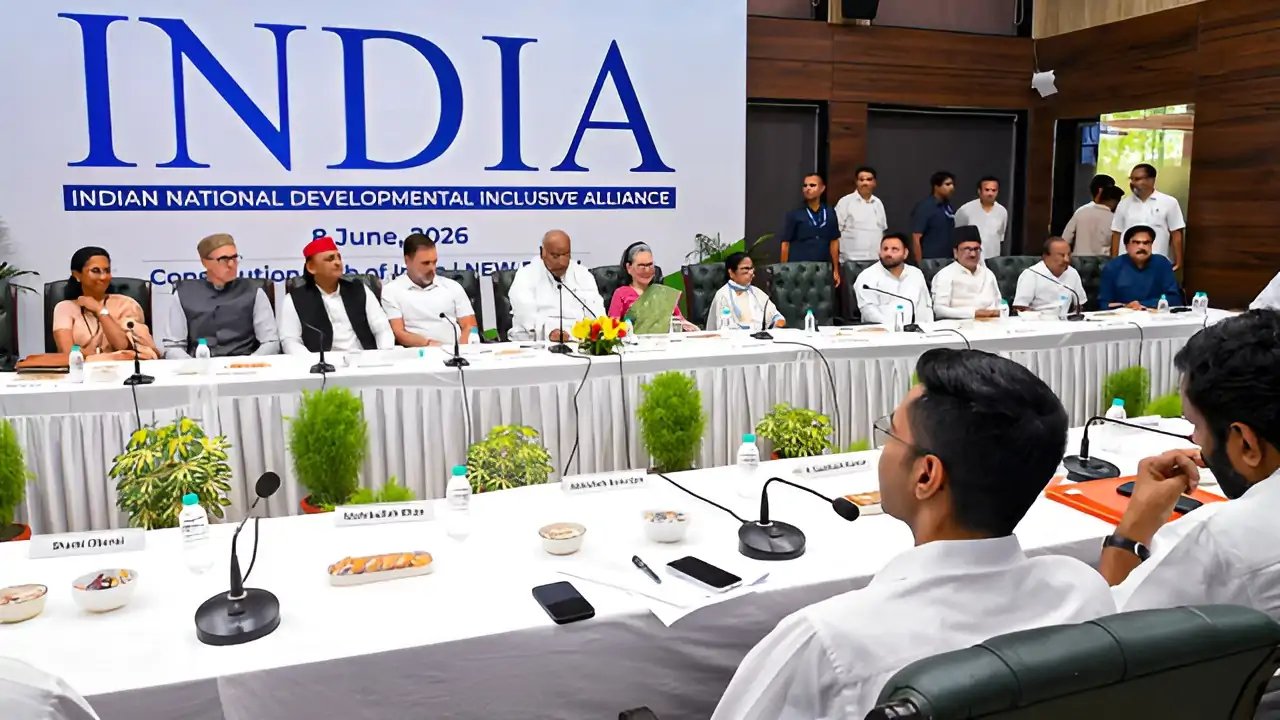
Mallikarjun Kharge chairs the INDIA bloc’s strategy session on Thursday evening, with the November 1 Delhi rally taking center stage. The agenda is blunt: demand the resignation of Chief Election Commissioner Gyanesh Kumar over the alleged “vote chori” in the Special Intensive Revision (SIR) of electoral rolls. This isn’t a routine check-in. It’s a tactical pivot to coordinate the next phase of their resistance against the Election Commission of India.
The stakes have risen sharply. On October 12, opposition stalwarts and civil society activists staged a “March for Democracy” in New Delhi, filing a joint petition in the Supreme Court. The plea names CEC Gyanesh Kumar, along with Election Commissioners Sukhbir Singh Sandhu and Vivek Joshi, alleging large-scale voter deletions. The court battle now runs parallel to the street-level agitation, creating a two-front pressure campaign.
The past week has seen a relentless escalation. On October 6, Rahul Gandhi staged an eight-hour sit-in at Akashvani Bhawan before police removed him. The following days saw marches to Jantar Mantar and visits to Rajghat, keeping the issue in the national spotlight. On October 13, Gandhi hosted bloc leaders at his home, where they vowed to take the fight to its “logical conclusion.”
The November 1 rally will test the opposition’s mobilization capabilities in the national capital. With the Supreme Court hearing pending on the SIR petition, the INDIA bloc aims to synchronize legal and street-level pressure, forcing the government to address the electoral roll irregularities or face a sustained political onslaught.