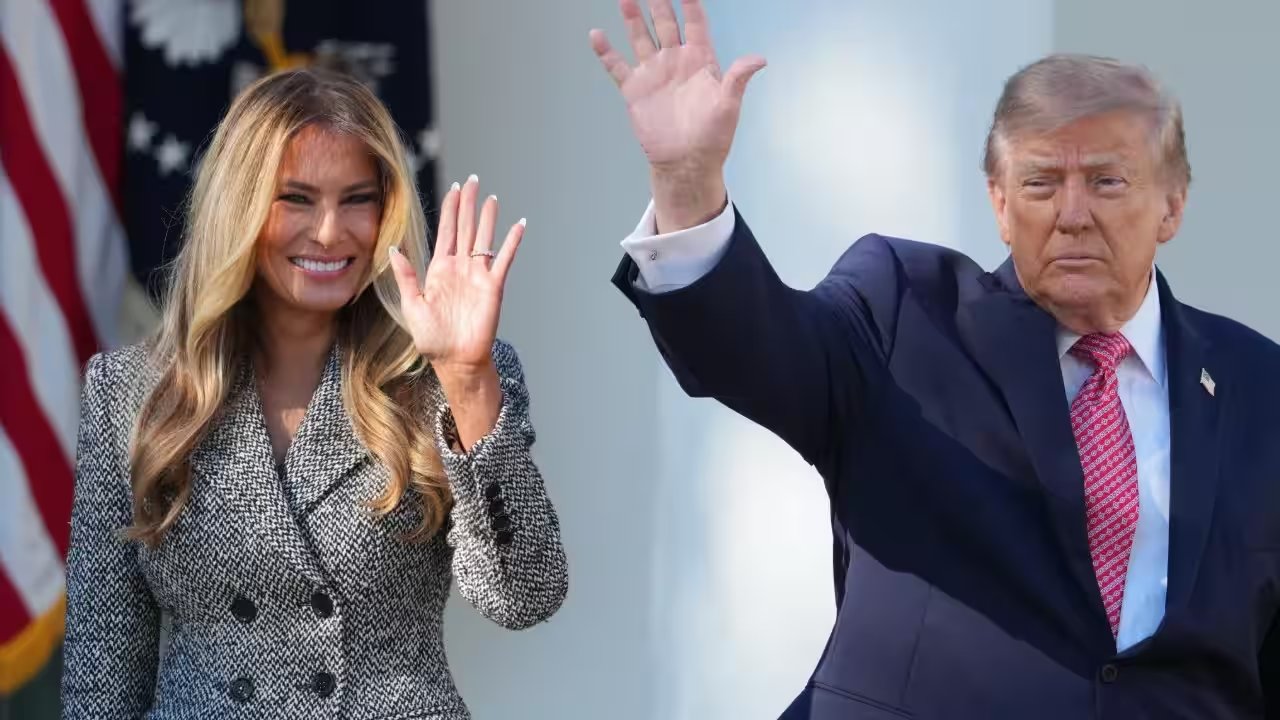
Volodymyr Zelenskyy signed a presidential decree on Wednesday, formally bestowing the Order of Princess Olga, First Class, on Melania Trump. The citation highlighted her “significant personal contribution” to humanitarian support, specifically referencing the evacuation of Ukrainian children from occupied territories. It is the highest state distinction Ukraine grants to women for exceptional work in science, education, culture, or charity.
The award recognizes a six-day truce in Oleshky, a town in southern Ukraine’s Kherson region that has been under Russian occupation since 2022. During this pause in fighting, the longest specific-area ceasefire since the full-scale invasion began, nearly 800 civilians were evacuated. Zelenskyy confirmed on Saturday that roads were cleared of mines and emergency supplies reached residents before they crossed into Ukrainian-controlled territory in the Chernihiv region.
Melania Trump framed the operation as a diplomatic breakthrough. In a Sunday post on X, she wrote, “Let Oleshky become the starting point for lasting peace,” claiming the truce gave residents access to food, clean water, and medicine. The White House described her efforts as an independently pursued initiative, noting she engaged directly with both governments to secure the local ceasefire.
Yet the narrative is complicated. A report in Le Monde claims the humanitarian operation was actually negotiated over four months by Russia’s GRU and Ukraine’s HUR military intelligence agencies. The French newspaper cited sources saying the two sides agreed to credit Trump to appease President Donald Trump, who is seeking visible progress in peace negotiations. This discrepancy adds a layer of geopolitical tension to the humanitarian success.
The political fallout is already moving. The White House announced on Tuesday that Melania Trump will host representatives from Russia and Ukraine on Thursday. Ukrainian human rights ombudsman Dmytro Lubinets and Russian commissioner Yana Lantratova are expected to attend. Trump is scheduled to deliver remarks at 11 am EST, a moment that will likely test the durability of the Oleshky precedent as the Kremlin has publicly ruled out similar operations in the foreseeable future.