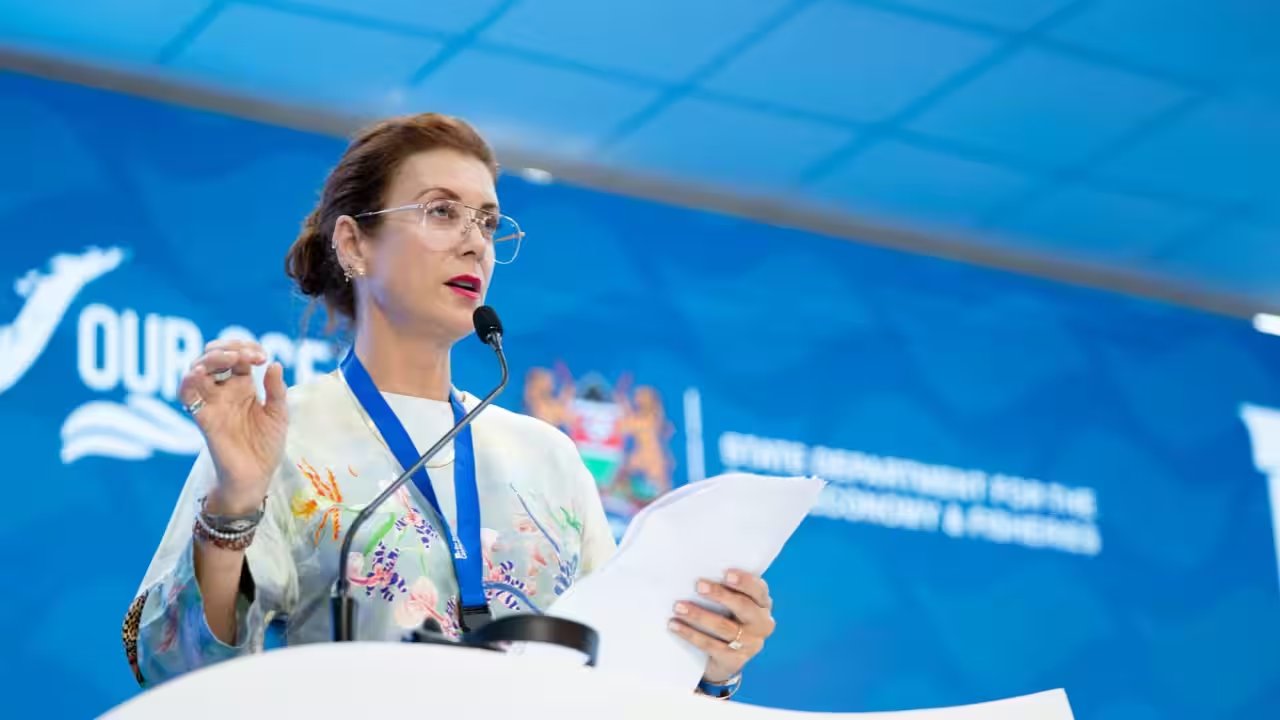
Actor and ocean advocate Kate Walsh launched a renewed drive alongside conservation group Oceana to force world governments to honor their pledge to protect 30% of global seas by 2030. Progress has stalled. United Nations figures show that just 10.01% of the world's oceans stood designated as protected or conserved as of April 2026—leaving the international community four years to triple conservation zones or face complete systemic default on the Kunming-Montreal Global Biodiversity Framework signed in 2022.
Oceans cover over 70% of the planet's surface, acting as the primary buffer against climatic disruption and sustaining critical marine food chains. Yet the global pace of implementation remains anaemic. The international community previously missed its 2020 deadline to safeguard 10% of marine territory, achieving that baseline six years late. Walsh—who built a decade-long conservation portfolio with Oceana fighting offshore oil drilling and shielding marine habitats in Belize and the US Virgin Islands—warned that hollow designations will not insulate fragile ecosystems from collapse.
Official declarations conceal a far bleaker operational reality. The 2026 Ocean Protection Gap Report revealed that while national governments claim 10.01% of the ocean under formal protection, only 3.5% of global marine waters benefit from effective, monitored enforcement. Destructive commercial activities, industrial extraction, and unregulated fishing continue unabated inside areas counted toward national conservation ledgers. Current national commitments, even if fully delivered by 2030, will expand coverage to barely 12%. That leaves an 18-percentage-point vacuum.
| Marine Conservation Metric | Official Status (April 2026) | 2030 Target |
|---|---|---|
| Officially Designated Global Ocean | 10.01% | 30.00% |
| Effectively Protected Marine Waters | 3.50% | Strict Enforcement |
| Projected Coverage Under Existing Pledges | 12.00% | 30.00% |
| High Seas Under Conservation | 1.66% | Framework Expansion |
The primary bottleneck lies beyond sovereign territorial waters. The high seas represent over 60% of the global ocean, yet a minuscule 1.66% of these vast expanses possesses formal protection. Sovereign governments have routinely prioritized near-shore territorial claims while leaving shared pelagic zones vulnerable to industrial depletion.
But a legal mechanism now exists. The Agreement on Marine Biological Diversity of Areas Beyond National Jurisdiction—known formally as the High Seas Treaty—entered into force in January 2026, supplying the first enforceable framework to establish legally binding sanctuaries across international waters. Oceana and aligned conservation blocs are demanding that signatory states immediately operationalize the treaty, channel dedicated financing to maritime patrols, and establish large-scale open-ocean reserves before the 2030 framework expires.