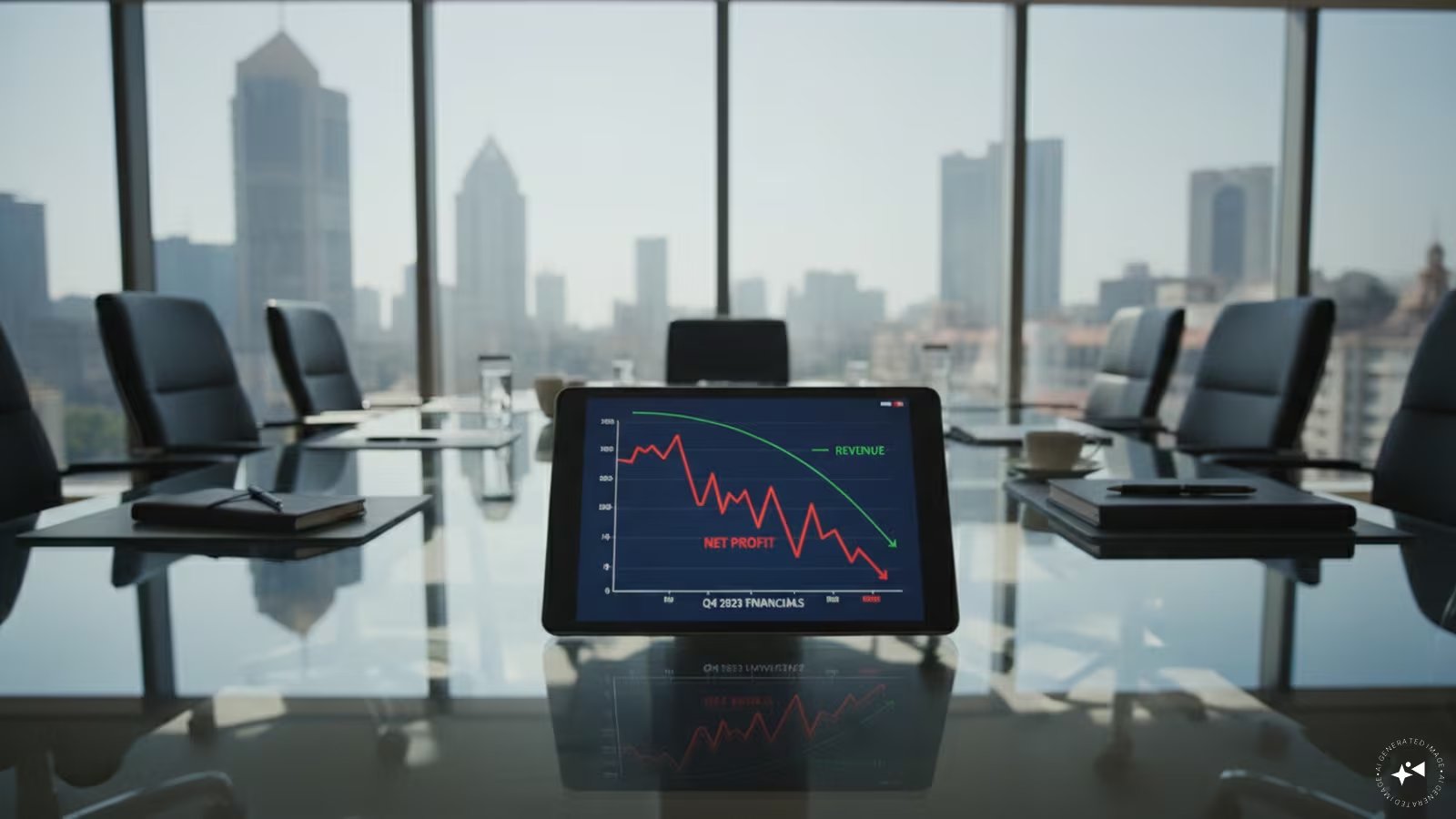
Maharashtra Seamless shares slumped 4.82% on the NSE to close at ₹543.10 after second-quarter earnings revealed sharp bottom-line erosion.
The selloff shaved ₹27.50 off the stock in Mumbai trading. Investors punished the pipe manufacturer after consolidated net profit plummeted 41.6% year-on-year to ₹72.94 crore for the September quarter, down from ₹125.23 crore in the identical period last year. Higher sales failed to cushion the hit. Revenue from operations rose 9.6% to ₹1,269.80 crore compared with ₹1,158.67 crore a year earlier, while total revenue including other income reached ₹1,268.25 crore against ₹1,234.43 crore.
Operating earnings managed a modest uptick. Consolidated EBITDA rose 8.9% to ₹134 crore from ₹123 crore in the year-ago quarter, yet the EBITDA margin remained virtually flat at 10.55% against 10.61% previously. The pre-tax damage was steep. Profit before tax collapsed 44.6% to ₹93.64 crore from ₹169.14 crore, driven down by heavier operational expenses that outstripped top-line gains. Total tax outgo contracted to ₹20.70 crore during the three months, compared with ₹43.91 crore paid during the corresponding quarter of the prior year.
| Financial Metric | Q2 FY27 | Q2 FY26 | YoY Change (%) |
|---|---|---|---|
| Revenue from Operations | ₹1,269.80 Cr | ₹1,158.67 Cr | +9.6% |
| Total Revenue (inc. Other Income) | ₹1,268.25 Cr | ₹1,234.43 Cr | +2.7% |
| Consolidated EBITDA | ₹134.00 Cr | ₹123.00 Cr | +8.9% |
| EBITDA Margin (%) | 10.55% | 10.61% | -6 bps |
| Profit Before Tax (PBT) | ₹93.64 Cr | ₹169.14 Cr | -44.6% |
| Consolidated Net Profit | ₹72.94 Cr | ₹125.23 Cr | -41.6% |
| Total Tax Expense | ₹20.70 Cr | ₹43.91 Cr | -52.9% |
| NSE Closing Share Price | ₹543.10 | — | -4.82% |
The company's flagship steel pipes and tubes division generated the vast bulk of quarterly business. The unit booked ₹1,247.74 crore in revenue, climbing 8.3% from ₹1,152.27 crore recorded in the year-ago period.
Smaller verticals delivered peripheral contributions. The power and electricity arm generated ₹20.73 crore in revenue, rising from ₹19.42 crore a year ago. The rig segment added ₹15.39 crore during the September stretch. Combined, the non-core divisions contributed less than 3% of aggregate sales, leaving consolidated margins entirely exposed to raw material pricing and execution cycles in industrial piping.
Cumulative first-half figures painted a mixed operational picture. For the six-month period of FY27, Maharashtra Seamless logged revenue from operations of ₹2,361 crore, edging past the ₹2,303.94 crore delivered during the first half of the prior financial year. Consolidated six-month net profit slipped to ₹339.34 crore compared with ₹355.53 crore a year earlier. First-half EBITDA stood at ₹253.50 crore, holding operating margins at approximately 10.7%.
Market Context: Profit margins across primary steel processors face headwinds from elevated input costs and domestic pricing discipline. While Maharashtra Seamless expanded order execution in seamless tubes, conversion spreads tightened, preventing volume gains from trickling down to pre-tax earnings.
Corporate restructuring accompanied the financial disclosures. Maharashtra Seamless confirmed that the formal scheme for the demerger of two operating business undertakings into wholly owned subsidiaries—MSL Seamless Tubes and United Seamless—has been submitted to stock exchanges for regulatory clearance.
The carve-out isolates core manufacturing assets into standalone corporate vehicles, aimed at streamlining operating lines and targeted capital structures.
Simultaneously, the board cleared a leadership overhaul in the finance division. Manish Kumar Khandelwal takes over as Chief Financial Officer, effective November 13, 2026. Khandelwal, 54, brings approximately three decades of corporate finance experience spanning strategic acquisitions, business development, stakeholder governance, and legal affairs. He holds a master's degree in management from the Stanford University Graduate School of Business and a master's in management studies from Mumbai's Sydenham Institute of Management.
The regulatory clock now shifts to bourses and market watchdogs, where the proposed demerger scheme awaits formal review and sanction.