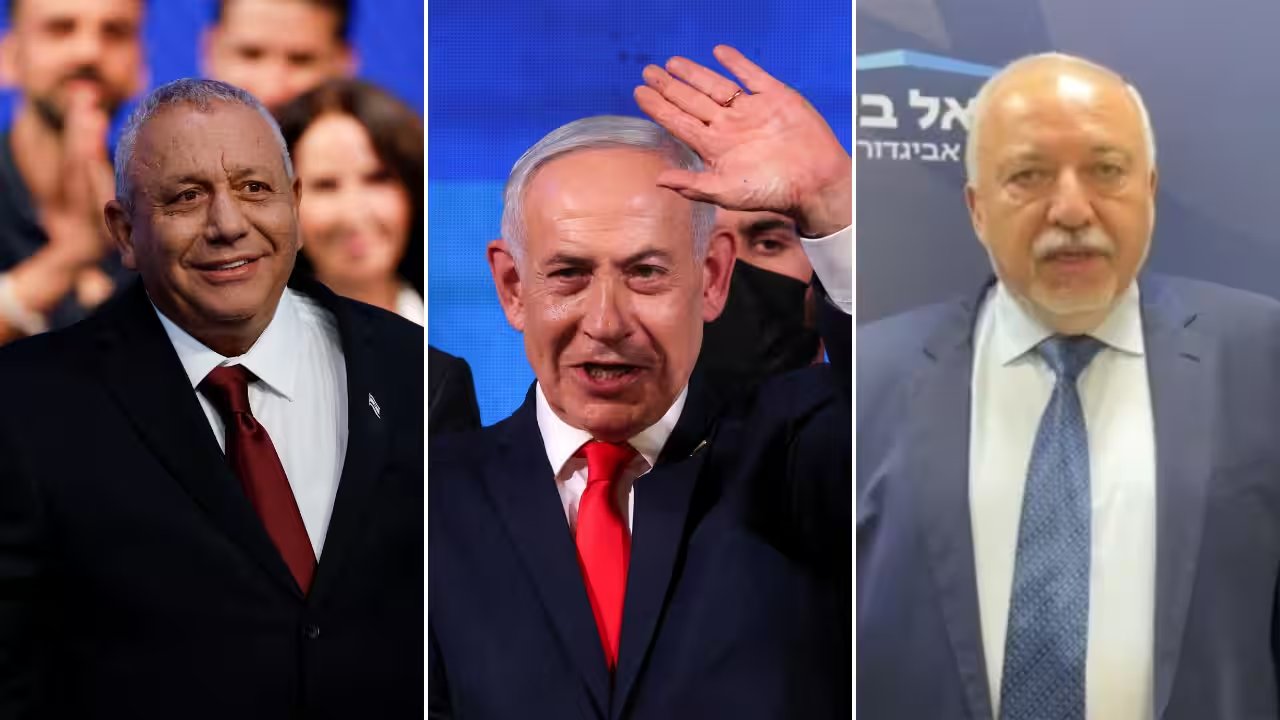
Netanyahu is courting opposition leader Gadi Eisenkot for a national unity government following the October 27 election, according to sources close to the Likud chief. The proposal emerges as the Central Elections Committee finalizes results, while Yisrael Beytenu chairman Avigdor Liberman reportedly distances himself from the opposition bloc and favors a unity arrangement.
The Likud camp believes Eisenkot has few viable alternatives, citing exhausted electoral potential and a high turnout in the Arab sector that would be hard to replicate in a new election. Sources also argue that Israelis abroad are unlikely to travel for a repeat vote, weakening the opposition’s prospects.
Proposed arrangements vary: a rotation deal would see Eisenkot assume the premiership after about two years, while an alternative offers him a senior ministerial portfolio. Both plans would bring together Netanyahu, Eisenkot, National Security Minister Itamar Ben‑Gvir and Finance Minister Bezalel Smotrich, excluding ultra‑Orthodox parties initially.
Opposition figures reject the prospect of Eisenkot joining a Netanyahu‑led government, labeling it a “complete suicide” politically and morally. They contend that Eisenkot’s career could be irreparably damaged if he accepts, and question whether pressure from President Isaac Herzog or foreign leaders could alter his stance.
The next phase depends on the Central Elections Committee’s final report, due next week, and the seat distribution it will reveal. Once the numbers are clear, Netanyahu will decide whether to pursue the unity proposal or seek alternative coalition partners.