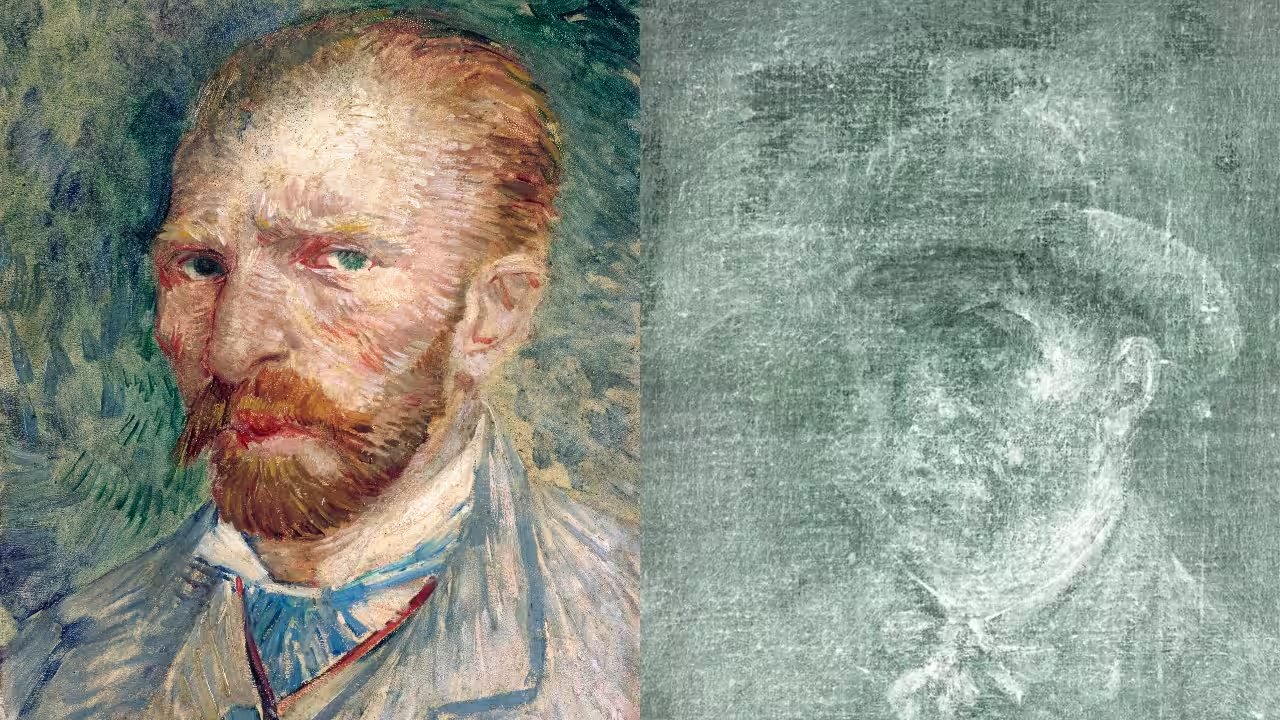
The discovery came when senior conservator Lesley Stevenson and her team ran high‑resolution X‑rays on 'Head of a Peasant Woman'—a work dated 1885—just days before the opening of the 'A Taste for Impressionism' show.
Under a thick coat of glue and cardboard, added in the early 1900s, lay a small, bearded figure that scholars now agree is Van Gogh himself, a relic of the artist’s habit of turning canvases around when supplies were scarce.
Removing those layers without damaging either painting required the conservators to test a range of adhesives and solvents, a process that could take months before the reverse can be safely exposed.
Visitors to the Royal Scottish Academy could view the X‑ray image illuminated in the gallery, offering a glimpse of the hidden portrait without ever breaching the canvas, a rare chance to see a work that had remained unseen for more than a century.
The National Galleries plan to catalogue other double‑sided works in their holdings, with a view to uncovering further hidden gems, while the museum’s curators will debate whether to display the reverse side in future exhibitions.