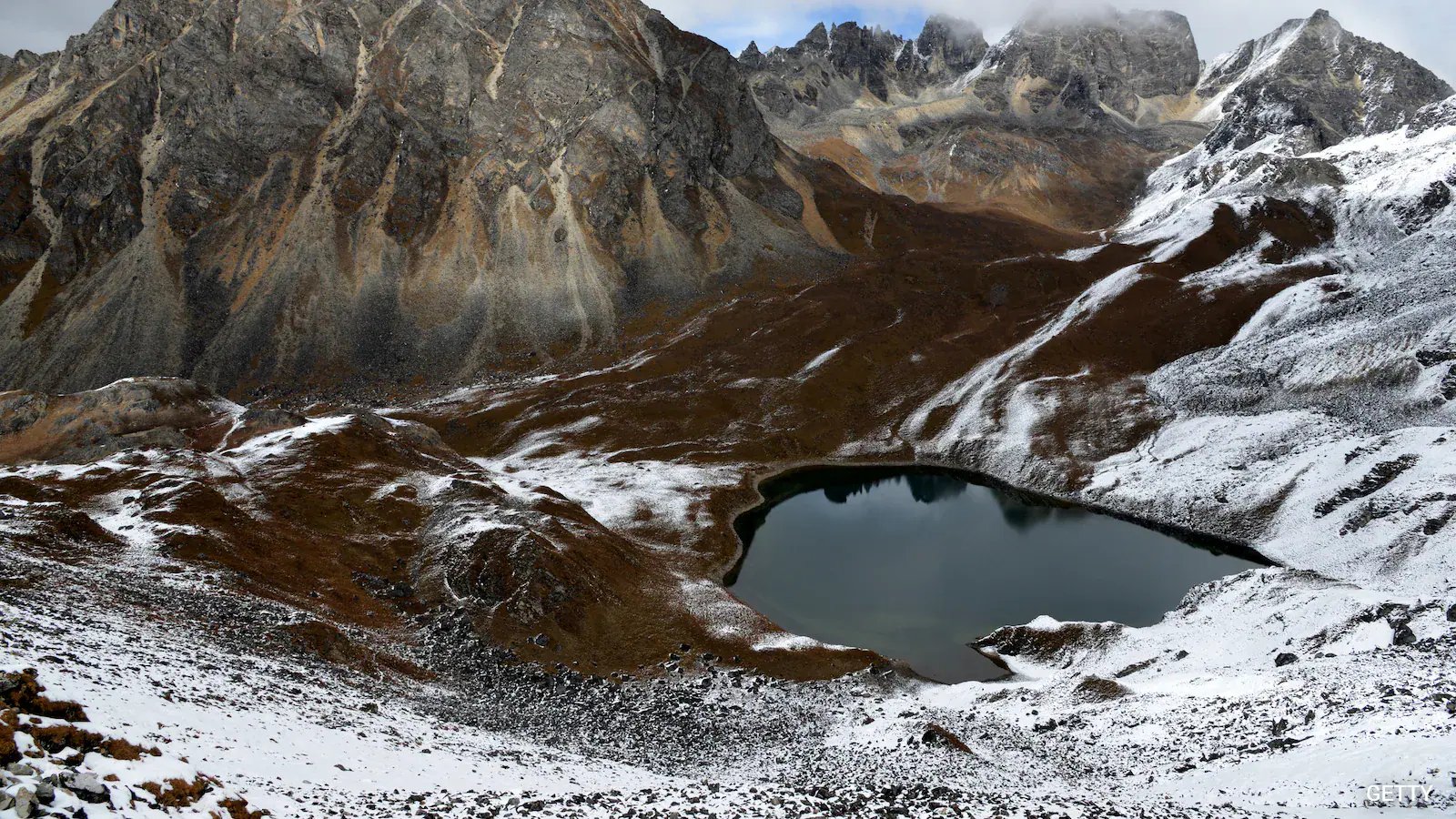
Bhutan’s National Centre for Hydrology and Meteorology (NCHM) confirmed that a glacial lake behind a moraine dam burst on Thursday afternoon, sending a surge of water through Gasa District’s Mo Chhu River and washing out the popular Gasa Tshachu hot spring.
The sudden collapse left no casualties but caused extensive damage to the hot spring resort, a key tourist attraction that generates ₹12 crore annually for the local economy. The torrent’s force was sufficient to trigger flash‑flood alerts in Assam’s Barak Valley and parts of West Bengal’s Jalpaiguri district, forcing emergency services to evacuate low‑lying villages.
Bhutan harbours 567 glacial lakes, 17 of which the NCHM classifies as potentially dangerous. Earlier assessments had flagged 25 lakes, but recent field surveys downgraded eight as lower risk. The Gasa incident is the latest in a series of 18 GLOF events recorded in Bhutan since the 1950s.
Scientists warn that rising temperatures are accelerating glacier retreat, enlarging existing lakes and creating new ones. A 2023 study modelling the Thorthormi‑Raphstreng basin estimated flood volumes of up to 300 million cubic metres, threatening 16,000 people and 150 km of river valley infrastructure downstream.
In response, the NCHM has ordered a comprehensive audit of the 17 hazardous lakes and will convene a meeting with the United Nations Development Programme’s disaster risk division on Friday to review early‑warning protocols. Meanwhile, the Assam Disaster Management Authority has dispatched additional flood‑monitoring units to the Barak Valley.
The incident underscores the urgent need for coordinated monitoring across the Himalayas, as local communities face increasing risk from climate‑driven glacier melt and unstable moraine dams.