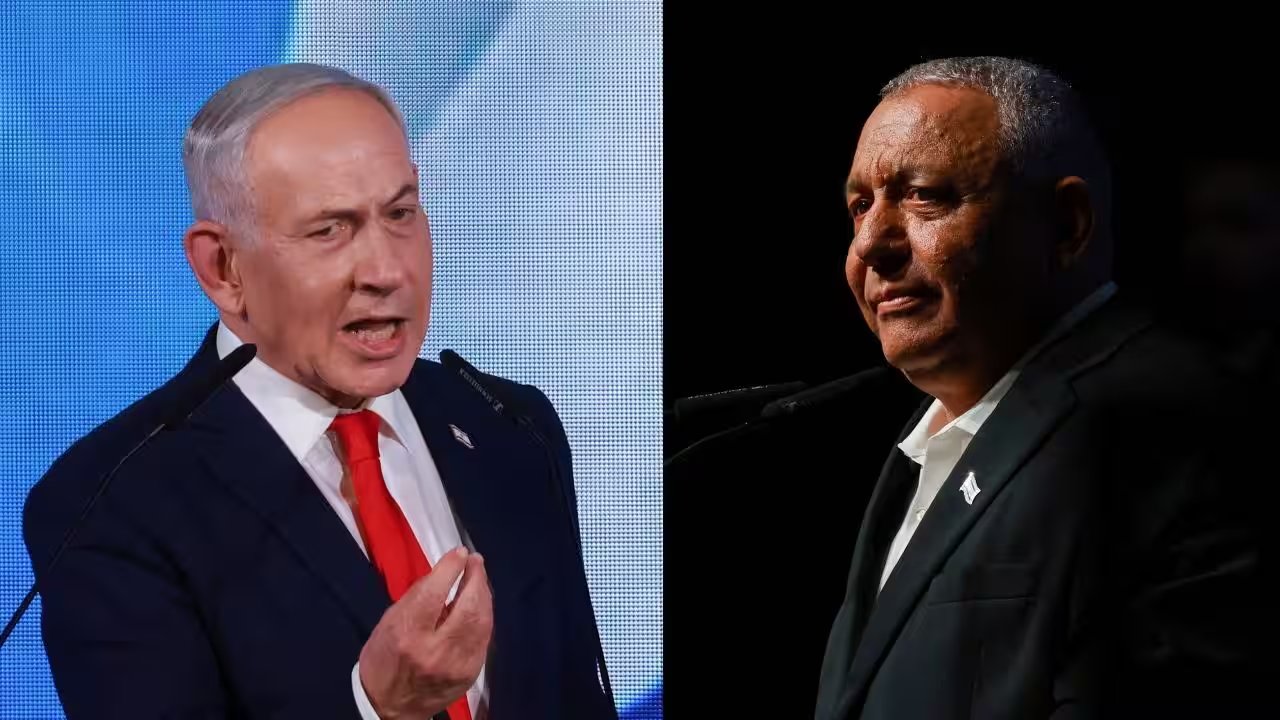
Gadi Eisenkot, the leader of the Yashar party, collected 67 endorsements from Knesset members on Thursday, a clear majority over Prime Minister Benjamin Netanyahu’s 46, following consultations with President Isaac Herzog. The Joint List’s unanimous recommendation was the decisive factor that pushed Eisenkot past the 61‑seat threshold needed to form a government.
The 67‑vote haul includes 48 MPs from the Jewish‑led opposition bloc—Yashar, Together, The Democrats, and Yisrael Beiteinu—plus eight seats from Ra’am and 11 from the Joint List. Yet only 48 of those endorsers are willing to work together without conditions, five fewer than the 53 seats Netanyahu was expected to command before United Torah Judaism withheld its support.
Coalition chemistry remains a minefield. The Joint List has ruled out formally joining an Eisenkot‑led government, citing policy rifts over security and economic plans, while Yisrael Beiteinu’s Avigdor Liberman opposes any coalition that relies on Arab‑led parties. The ultra‑Orthodox United Torah Judaism, a pivotal player on military‑service exemptions for Haredi men, has also declined to recommend either candidate, tightening the deal‑making grid.
Herzog will hold further consultations before assigning the mandate on Sunday, according to the Times of Israel. In the meantime, Eisenkot must convert the endorsement majority into a workable coalition, a task that will test his political experience against Netanyahu’s seasoned negotiation background. Meanwhile, a Tel Aviv resident waiting for elections says he hopes the new government will bring stability to the city’s daily life.
The next critical step: Herzog’s decision on Sunday will either hand Eisenkot the mandate or leave the political deadlock unresolved, setting the stage for either a fresh coalition crisis or a potential unity government.